Last Aussie Sizzler site gone in Asian food move

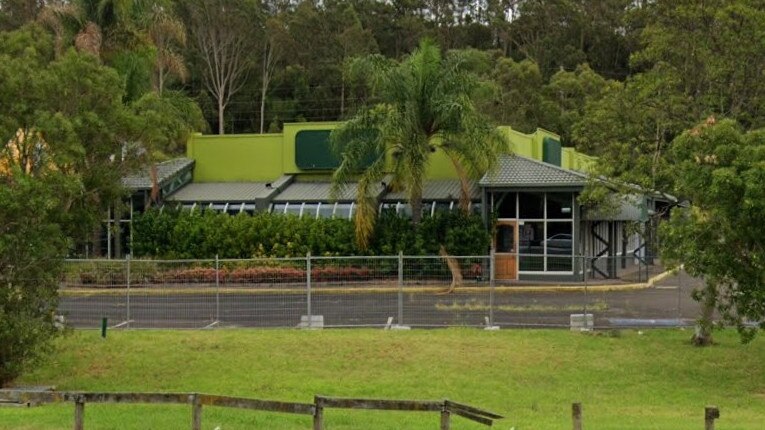
The old Sizzler site in Campbelltown has sat abandoned for years.
The last Sizzler in Australia could soon be demolished to make way for a Filipino fast-food giant seeking to open its first premises in the country in direct opposition to McDonald’s and KFC.
Campbelltown in Sydney’s west is set to become the first Australian home to global fast-food chain Jollibee under plans from commercial developer PMG Group.
The plans, which currently have development consent from Campbelltown City Council until July 2029, would see the existing Sizzler building in Harbord Road demolished to make way for three fast-food premises.
The plans indicate the three operators for the site would include Jollibee’s first Australian store as well as Taco Bell and Krispy Kreme.
Plans submitted to the council detail the proposed demolition of the old Sizzler structure and the construction of three separate buildings for Jollibee, Taco Bell and Krispy Kreme.
A Campbelltown City Council spokesman confirmed the site’s development consent remained active, however, no date for work beginning at the site was known.
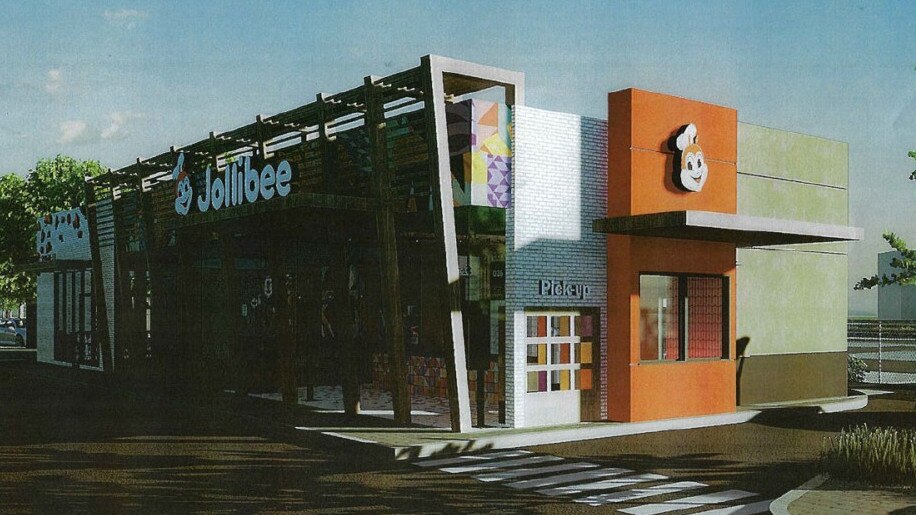
An artist’s impression of the proposed Jollibee in Campbelltown.
SIZZLER’S DOWNFALL
The proposed development would breathe new life into a site that has stood vacant since November 2020 when Sizzler shuttered its last remaining nine restaurants across the country.
Once a cultural phenomenon of the ‘80s and ’90s, Sizzler began its decline at the turn of the century after failing to adapt to Australia’s rapidly-changing culinary landscape.
The rise of cafe culture and Aussies seeking fresher, healthier options saw Sizzler locations dwindle from 74 locations at its height in the ’90s to just 17 restaurants by 2017.
Restaurants continued to close after 2017 before the coronavirus pandemic added the final nail to Sizzler’s coffin and the remaining locations, including the Campbelltown site, shut down for good.
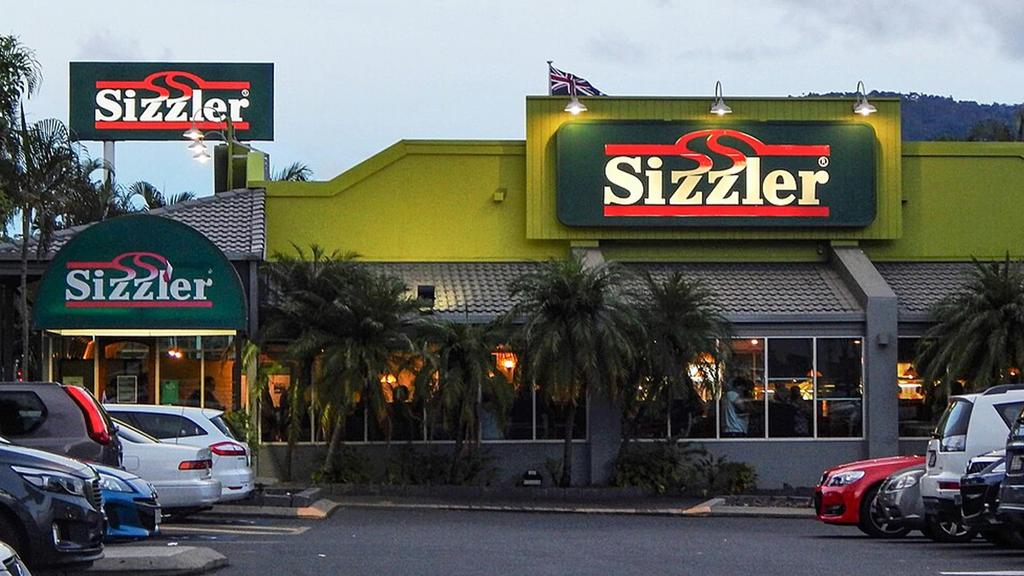
An icon of the ‘80s and ’90s, Sizzler is now just a distant memory.
JOLLIBEE DOWN UNDER
Sizzler’s demise, however, could be Jollibee’s beginning in Australia if the Campbelltown plans continue to progress.
The Filipino icon has yet to enter the Aussie market despite having more than 1700 locations globally.
While more than 1100 of those sites are within the Philippines itself where Jollibee outnumbers McDonald’s, the big red bee has a significant presence elsewhere in North America, Europe, the Middle East and across Southeast Asia.
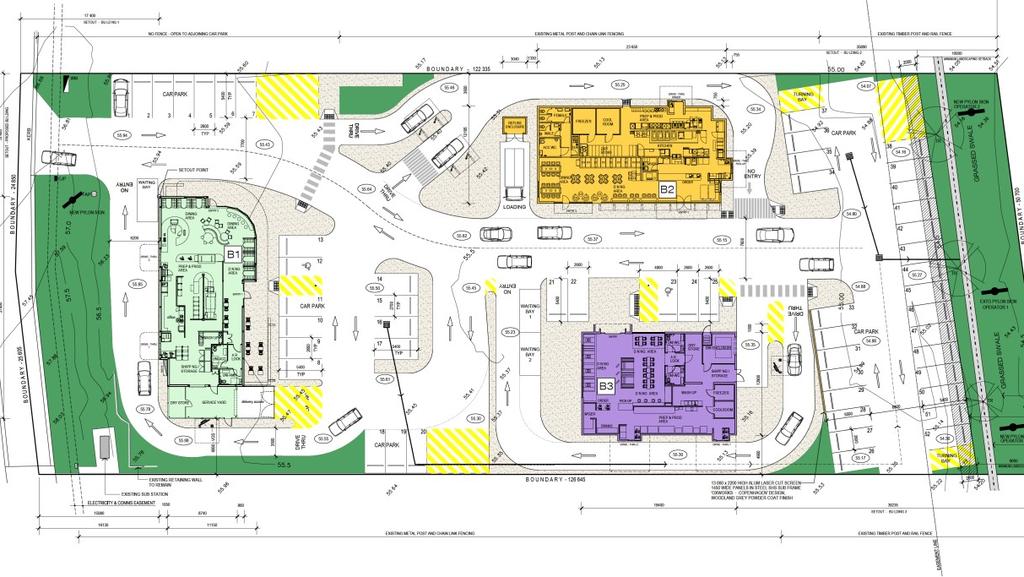
Plans submitted to Campbelltown Council show the old Sizzler site would give way to three separate buildings for a Jollibee (purple), Taco Bell (yellow) and Krispy Kreme (green).
Jollibee opened 51 new locations across Southeast Asia in 2024 alone and, while yet to bring the brand to Australia, the company’s international business president Dennis Flores has made no secret of the organisation’s expansion ambitions. He even has ‘Australia’ in his full business title.
“Our commitment to delivering superior taste has fuelled our growth in Southeast Asia, and we’re grateful to have passionate franchisees and partners who share in this mission,” Mr Flores said earlier this year.
“We are excited to strengthen these relationships, while also seeking new franchisees for new markets as we bring the joy of superior taste to more customers around the world.”
Jollibee’s decision to open its first Australian location in Western Sydney would target the strong Filipino community that has settled there.
Australian Bureau of Statistics data from 2024 showed the country’s Filipino migrant population had grown to 394,000, making that cohort the fifth biggest population by country of birth behind only England, India, China and New Zealand.
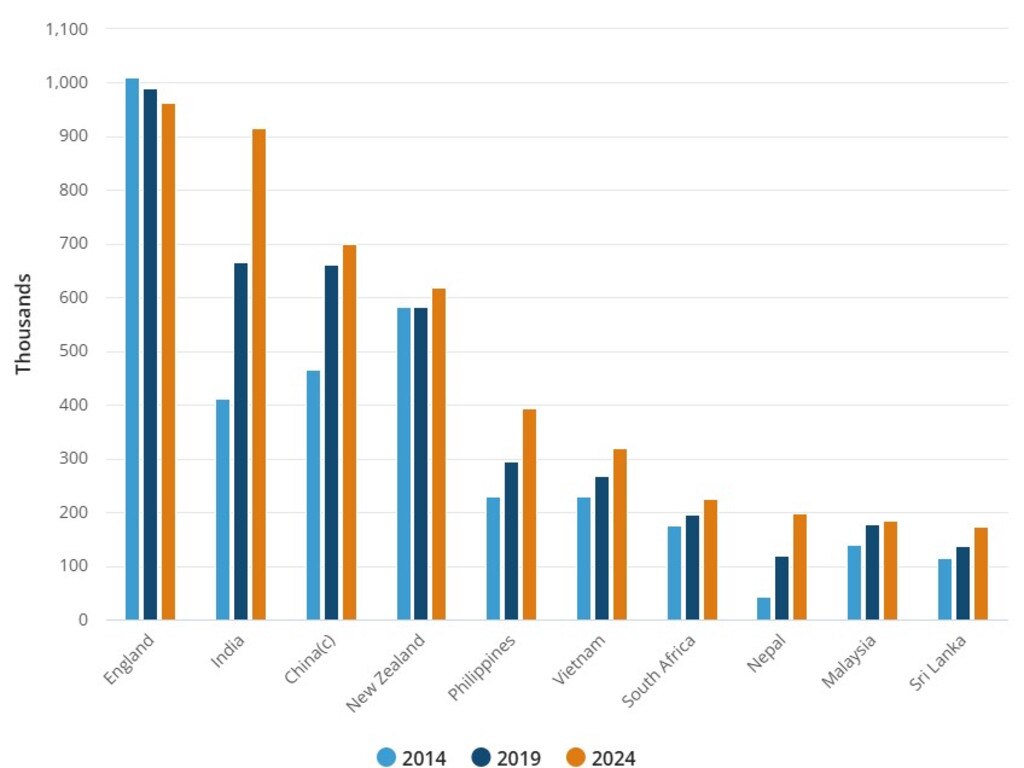
Filipino migrants are the fifth biggest migrant population in Australia. Picture: ABS
While many Filipino migrants live right across Australia, the majority have settled in the very Western Sydney heartland Jollibee’s is now targeting for its first Aussie location.
The Campbelltown Jollibee site would also be an act of defiance towards entrenched fast-food giants operating in Australia for decades – the intersection at Harbord and Campbelltown roads is already home to a McDonald’s (directly next-door), a KFC, Hungry Jacks, Red Rooster and Oporto.
HUMBLE BEGINNINGS
The first Jollibee was opened by Tony Tan Caktiong in the Philippines in 1978. What started out as an ice cream parlour quickly pivoted into a fast-food restaurant offering hot meals due to demand.
When McDonald’s entered the Filipino market three years later, Jollibee continued to thrive and expand by offering affordable meals tailored to the local culture.

Jollibee could soon bring its trademark fast-food to Australia. Picture: Instagram
It is a premise that Jollibee’s has continued to employ even after going global in 1985 – the brand introduces local dishes wherever it operates to sit alongside its own iconic meals like the Chickenjoy fried chicken.
Since its humble start, Jollibee has grown to become a global business with a market cap of $5.43 billion.
Jollibee Group and agents acting on behalf of PMG Group have been approached for comment.