Six big brand power moves that defined 2025

Big brand names made massive moves in 2025 as investors hunted for safe, high-growth retail assets.
Australia’s biggest retail brands – Chemist Warehouse, Myer, Bunnings, Coles and Woolworths – ended 2025 with a flurry of billion-dollar deals reshaping Aussie shopping.
From mega mergers to landmark shopping centre acquisitions and fast-food sites selling for premium prices, 2025 has rewritten the rules of Australian retail.
Here are six big brand power moves that defined 2025, and look set to have a big influence through 2026.
1. Pharmacy power play
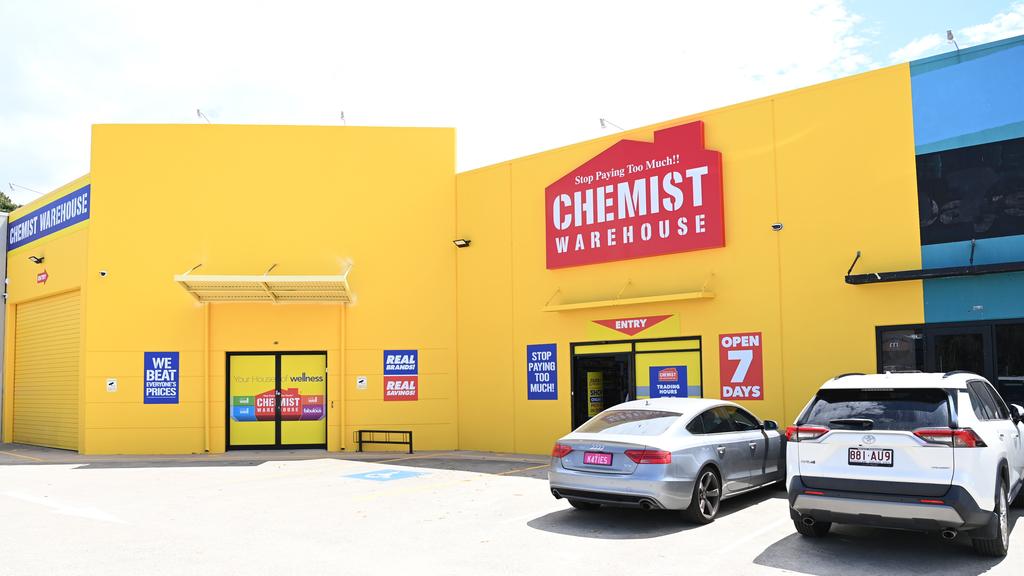
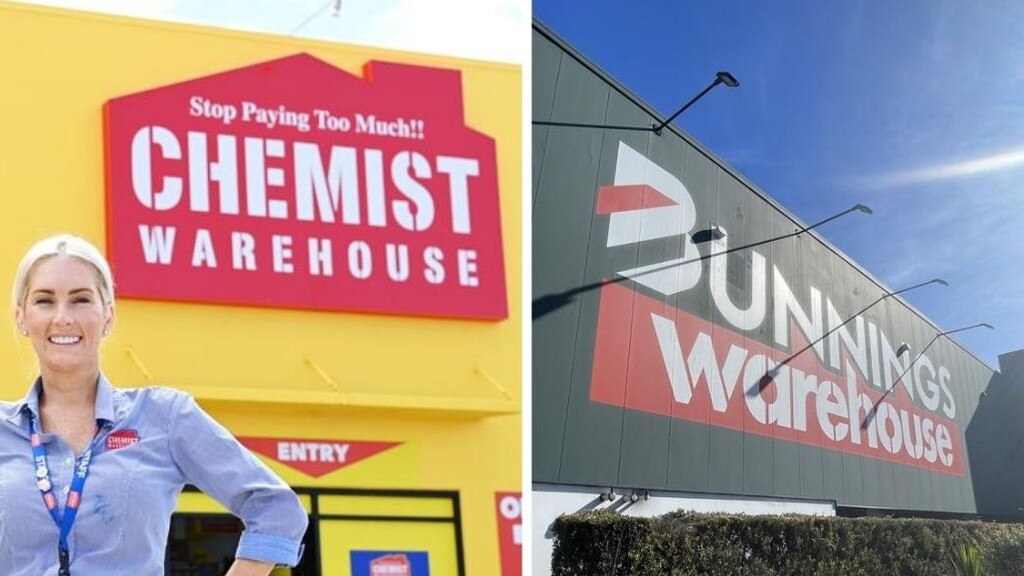
Chemist Warehouse and Sigma Healthcare merged to create Australia’s largest pharmacy network, shaking up the sector. Picture: Shae Beplate.
MORE: Shock move ‘forcing out’ these Aus workers
Posh suburb melts over Aussie pensioner’s lonely dog plea
Chemist Warehouse completed its $30 billion merger with Sigma Healthcare, creating Australia’s largest pharmacy network.
Combining Chemist Warehouse’s over 500-strong retail footprint with Sigma’s wholesale and logistics operations, the deal reshaped the pharmacy sector and has set a new benchmark for corporate consolidation in Australian retail.
2. Department store shake-up
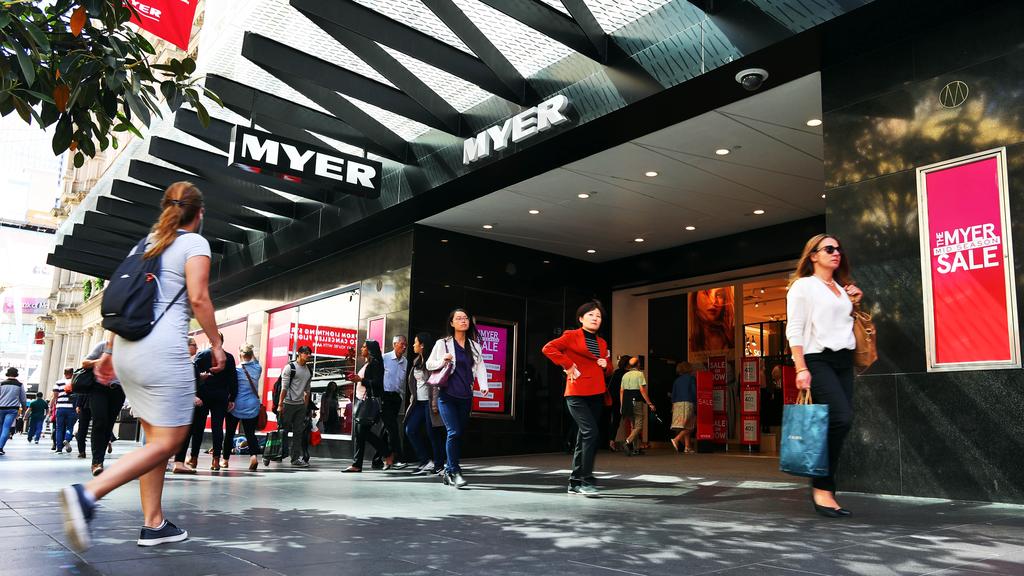
Myer expanded its fashion empire by snapping up Premier Investments’ apparel brands, signalling a major retail consolidation. Picture: Aaron Francis/The Australian
MORE: 178pc rise: Lady Gaga sparks Aus frenzy
Up $136k in a year: House price surges as Qld booms
Myer expanded its fashion offering in January 2025 by acquiring Solomon Lew’s Premier Investments’ apparel brands – Just Jeans, Jay Jays, Portmans, Dotti and Jacqui E – in a deal valued at $864m.
The acquisition included 890.5m new Myer shares issued to Premier shareholders and $82m in cash going the other way. It shows industry big-gun Myer’s position strengthening in Australian fashion retail.
3. Mall mega-deals
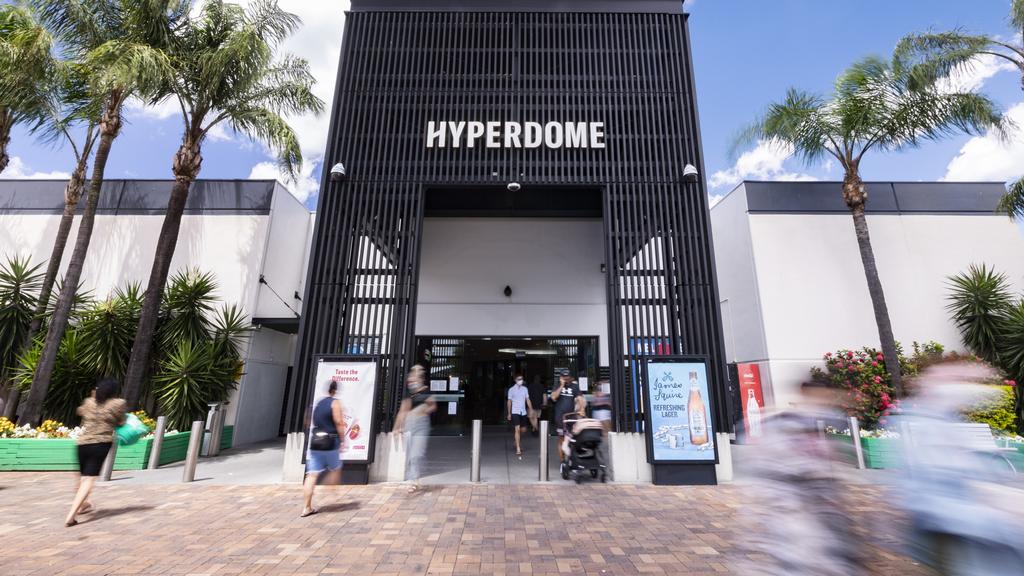
MA Financial made waves with headline-grabbing shopping centre acquisitions in Logan and Sydney.
MORE: Seniors flock to share houses as cost of living bites
Peter Dutton tipped for multimillion-dollar payday
Retail property saw a surge in activity, led by MA Financial. The group acquired Hyperdome Shopping Centre in Logan for $678.7m in February – the largest single sale of a Queensland regional shopping centre – and went on to buy Top Ryde City Shopping Centre in Sydney for $525m in July.
Anchored by Woolworths, Coles, Aldi, Kmart, Target and Big W, these deals underline the ongoing appeal of well-leased metropolitan and regional malls.
4. Institutional investors on the move

Dexus and Charter Hall drove major investments in high-profile malls and big-box stores across Australia.
In July, Scentre Group sold a 25 per cent stake in Westfield Chermside in Brisbane to Dexus for $683m, with Scentre retaining property, leasing and development management – amid strong appetite for high-quality metropolitan retail assets anchored by major tenants.
Scentre Group also sold a 19.9 per cent interest in Westfield Sydney for $864 million to a new joint venture partner, Australian Retirement Trust. Scentre Group retains 80.1 per cent and continues as property, leasing and development manager.
Charter Hall was another standout, acquiring six Bunnings stores across New South Wales, Queensland and Victoria for $290m, alongside Melbourne’s Burwood One Shopping Centre ($210m), Southport Park ($152.5m) and Corio Village ($146m). Reports indicate the group is in talks to buy Gympie Central, Whitsunday Plaza and Armidale Central for roughly $250m to further expanding its suburban and regional footprint.
5. Fast-food and booze frenzy
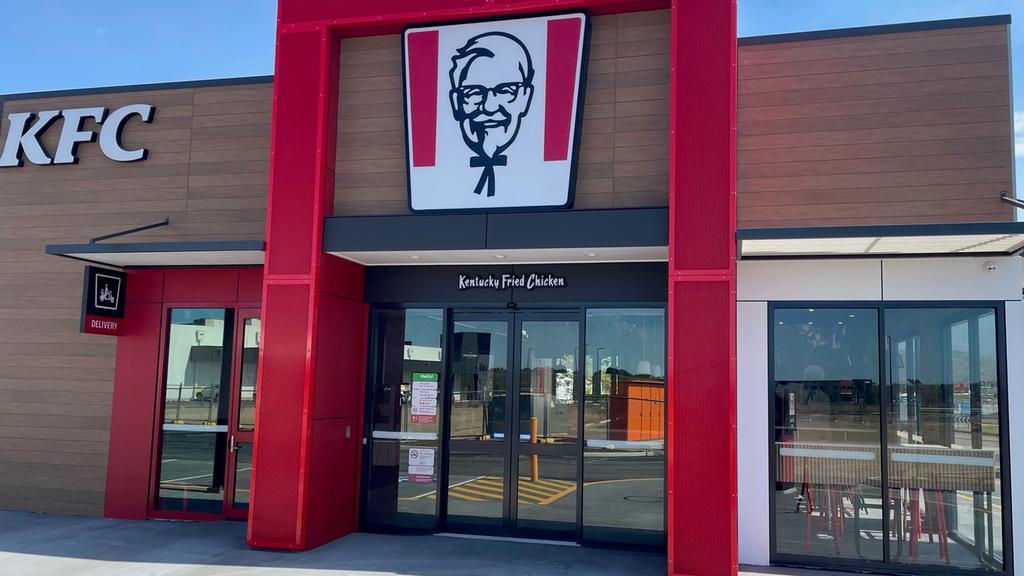
Quick-service restaurants and liquor outlets continue to attract premium prices from savvy investors.
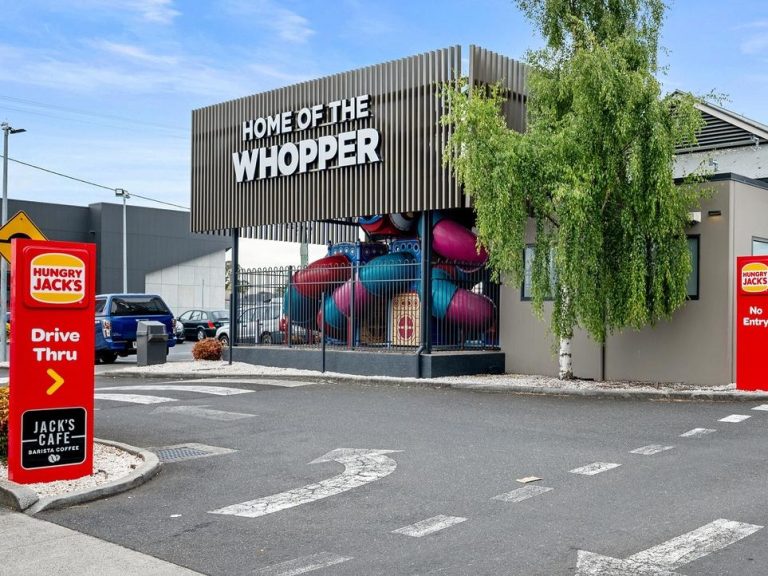
Quick-service restaurants remained hot property, a position that solidified during the pandemic. Individual KFC, McDonald’s, Hungry Jack’s and Guzman y Gomez outlets sold for between $4.7m and $6.4m, while a Dan Murphy at Malvern changed hands for $21.1m – the sharpest yield for the brand nationally in over five years.
These deals highlight investors’ preference for defensive, high-traffic assets.
6. Specialty stores surge
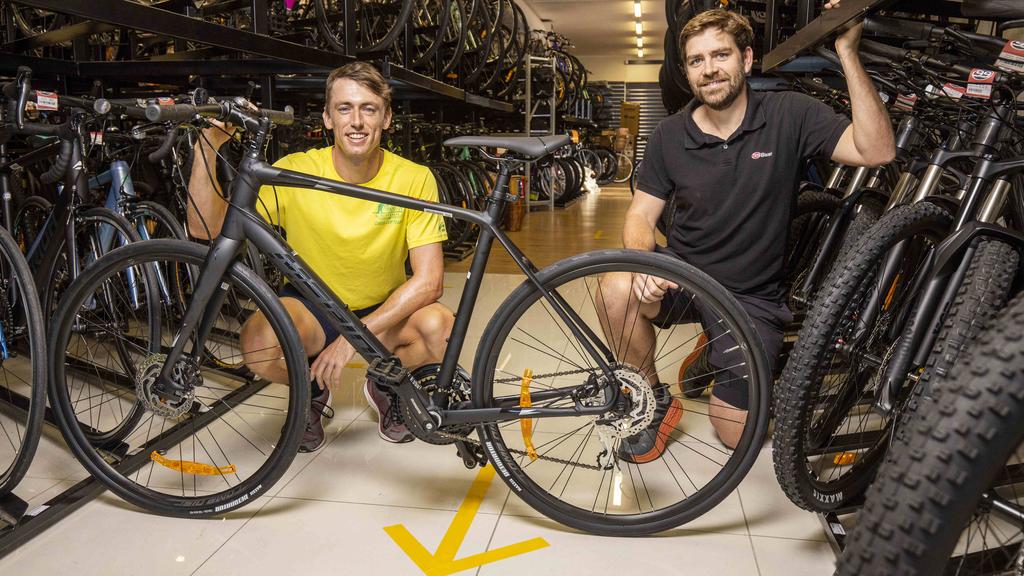
Lifestyle and convenience retailers like 99Bikes and The Good Guys proved smaller stores can deliver strong returns. Picture: Glenn Hunt / The Australian
Smaller lifestyle and convenience retailers also attracted attention. 99 Bikes – founded by Matt Turner, heir of Flight Centre creator Graham Turner – sold a portfolio of eight stores for $17.2m, achieving a 5.26 per cent blended yield.
Appliance retailer The Good Guys, owned by JB Hifi, sold off individual stores for $5–30m each. The niche moves were seen as a sign of how specialty retail can complement larger retail portfolios.
What’s next
Economist Vanessa Radar from Ray White Group said retail led the recovery through 2025 and all signs point to it maintaining momentum in 2026.
“Neighbourhood and convenience-based centres will shine as consumers prioritise local shopping, and supermarket-anchored centres will continue to deliver reliable income streams,” she said, adding that the sector’s recovery is “real, not temporary.”