Woolworths and Coles compelled to take cash for groceries in new law

Numerous commercial properties across Australia are likely to be forced to upgrade equipment under new regulations surrounding cash payments.
Commencing January 1, a federal mandate compels major grocery and fuel retailers to accept cash for transactions under $500, directly impacting thousands of commercial sites and their tenants across the nation.
The policy, announced by Treasurer Jim Chalmers, imposes significant capital expenditure and operational adjustments on the commercial real estate sector.
The new rule targets in-person transactions between 7am and 9pm and primarily affects fuel and grocery retailers, including an estimated 2217 Woolworths stores, over 860 Coles supermarkets, and a vast network of service stations.
MORE NEWS
The luxury reef resort Australia forgot about
Star-backed gym enters administration
‘Destined for landfill’: Shoppers turn on online giants
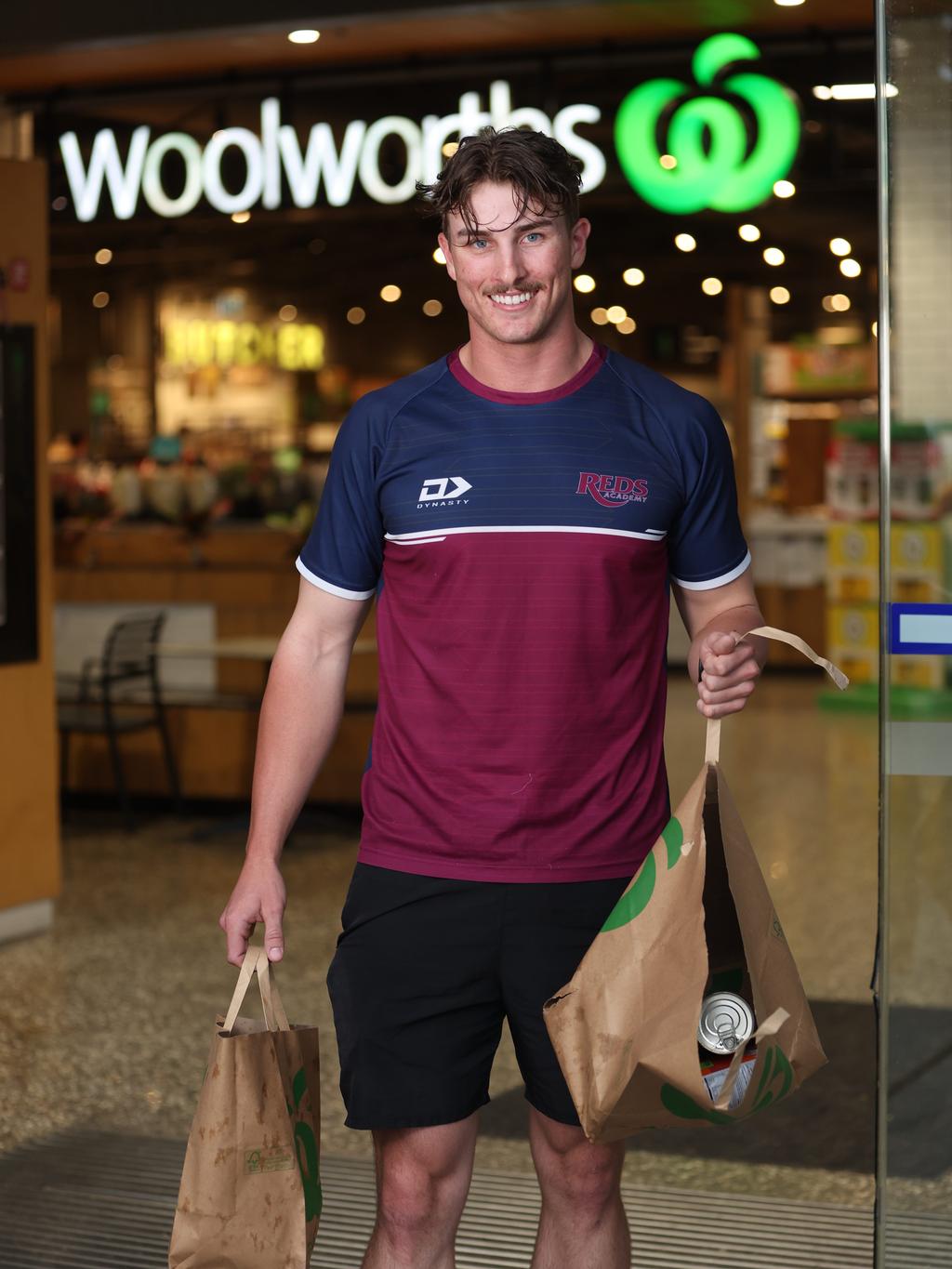
Gilbert Donaldson from Ascot will be able to pay cash for all of his Woolworths items from January 1, 2026. Pic Annette Dew
While small businesses with an annual turnover under $10 million are exempt, unless operating under a larger brand, the scale of the affected commercial footprint is substantial.
“This will help to ensure Australians can continue to pay with cash for essentials if they want to,” Mr Chalmers said.
“It will ensure Australians who depend on cash for fuel and groceries aren’t left behind.”
Labor first revealed the policy last year and received more than 4000 responses during its consultation period between December and February.
The government is set to review the mandate after three years to make sure it functions as intended.
Mr Chalmers said Aussies could already pay for bills, including council rates and phone bills, in cash at their local Australia Post outlet through Post Billpay.
“Billpay is available at post offices across Australia and is relied on by businesses and government agencies, including utility providers and government entities across local, state and Commonwealth levels,” he said.

The mandate will apply to in-person transactions of $500 or less between 7am and 9pm.
For commercial landlords and property investors, the new laws present a new layer of complexity.
The requirement for tenants to handle cash payments on a larger scale translates into potential demands for enhanced security infrastructure, such as upgraded safes and cash handling facilities within leased premises.
This could lead to increased operational costs for tenants, which in turn may influence future lease negotiations and the perceived attractiveness of retail assets.
However, COTA Australia, the leading advocacy organisation for older Australians, said the reforms would protect older Aussies and those who rely on cash from being “locked out of everyday life”.
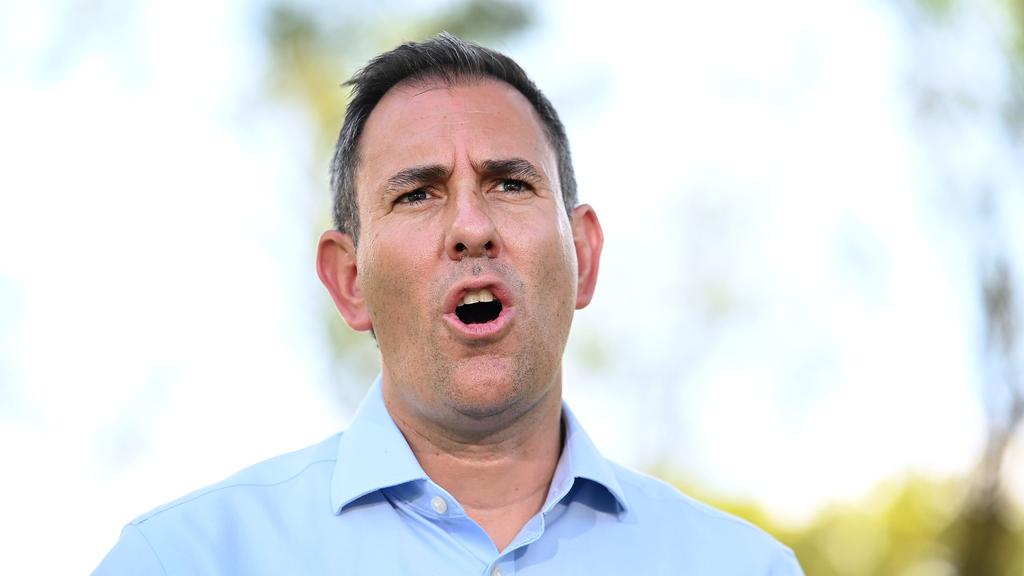
Treasurer Jim Chalmers holds a press conference. Picture: NewsWire / John Gass
“For many older Australians, cash isn’t a convenience – it’s essential. It gives people control over their money, helps them avoid extra fees, and provides peace of mind around privacy and security,” COTA CEO Patricia Sparrow told Yahoo Finance.
“The increasing refusal by some businesses to accept cash had created unnecessary barriers for people simply trying to pay for essentials. No one should be turned away or penalised for wanting to pay for groceries or fuel with legal tender.”
Meanwhile, Cash Welcome campaign founder Jason Bryce criticised the cash mandate, noting it only covers the big supermarkets and fuel retailers.
“Big businesses like Kmart, Bunnings, Chemist Warehouse, Tyrepower and all the others are not covered by this cash mandate,” he argued.