Inside Quintessential’s office, warehouse playbook
Aussie commercial property player Quintessential is tapping into office towers in infrastructure-rich cities and tightly held industrial estates with limited prospects for new supply in the years ahead.
The business, which hunts for Australian commercial real estate to develop or improve on behalf of investors, has been leaning into parts of the market it believes are positioned to outperform, even as broader conditions remain uneven and some institutional capital stays on the sidelines.
Quintessential, with its $1.7 billion of assets under management, sees strong opportunities in office real estate in Brisbane, among other picks.
It comes as the city’s pipeline of transport and civic infrastructure, combined with constrained new development, reshapes demand dynamics for high-quality space.
Quintessential’s head of capital Daniel Colman told realcommercial.com.au the uplift was being driven by long-term structural forces rather than short-term cycles.
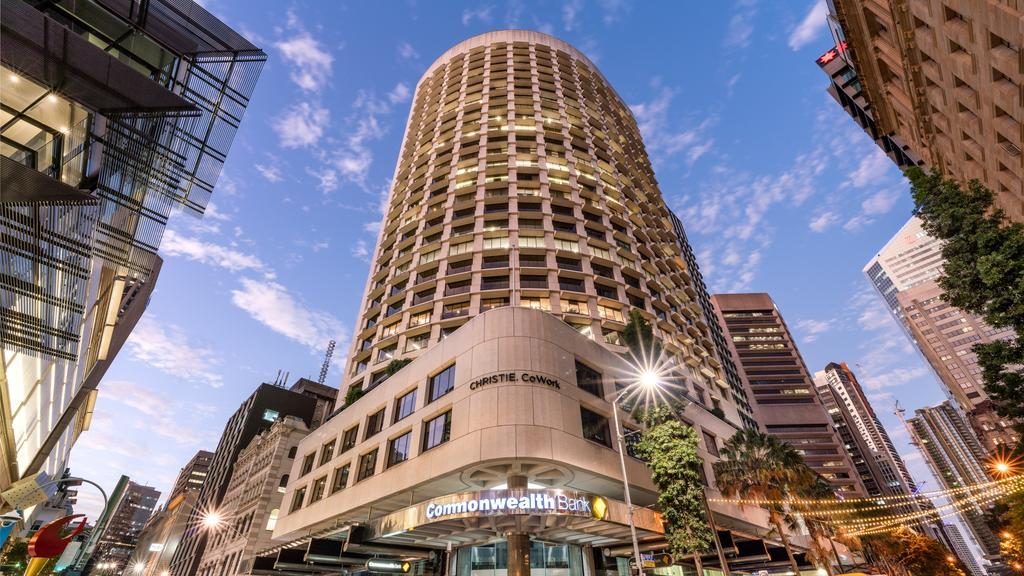
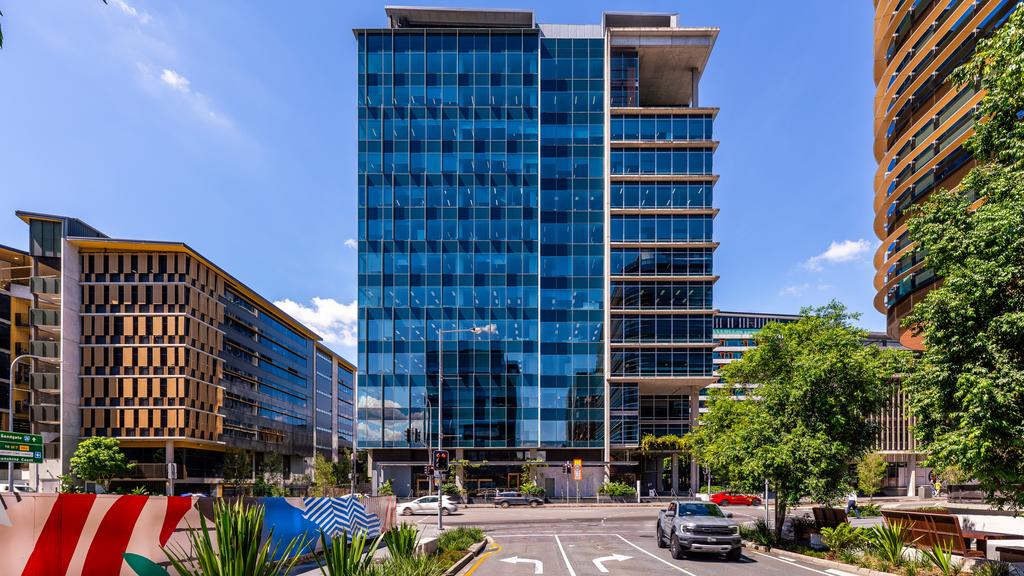
Quintessential completed its $250 million purchase of the 240 Queen Street office property in Brisbane last year. Picture: Supplied
“There’s strong demand for office space in Brisbane, driven by a once-in-a-generation wave of infrastructure investment ahead of the 2032 Olympic Games,” Mr Colman said.
“These projects are driving demand for high-quality leased office accommodation, and with limited new supply coming online, that demand is translating into significant rental growth.”
That conviction underpinned Quintessential’s $174.85 million acquisition of the Green Square North Tower office building in Brisbane’s Fortitude Valley market in October.
The A-grade, fully-leased building was purchased at a 53% discount to replacement cost, with the majority of rental income underpinned by government tenants.
The deal was struck at a time when elevated construction costs were making new office construction increasingly uneconomic, sharpening the appeal of well-located existing towers.
It followed the $250 million acquisition of the 240 Queen Street office property in Brisbane’s city centre last year, along with plans to invest in regeneration and sustainability upgrades.
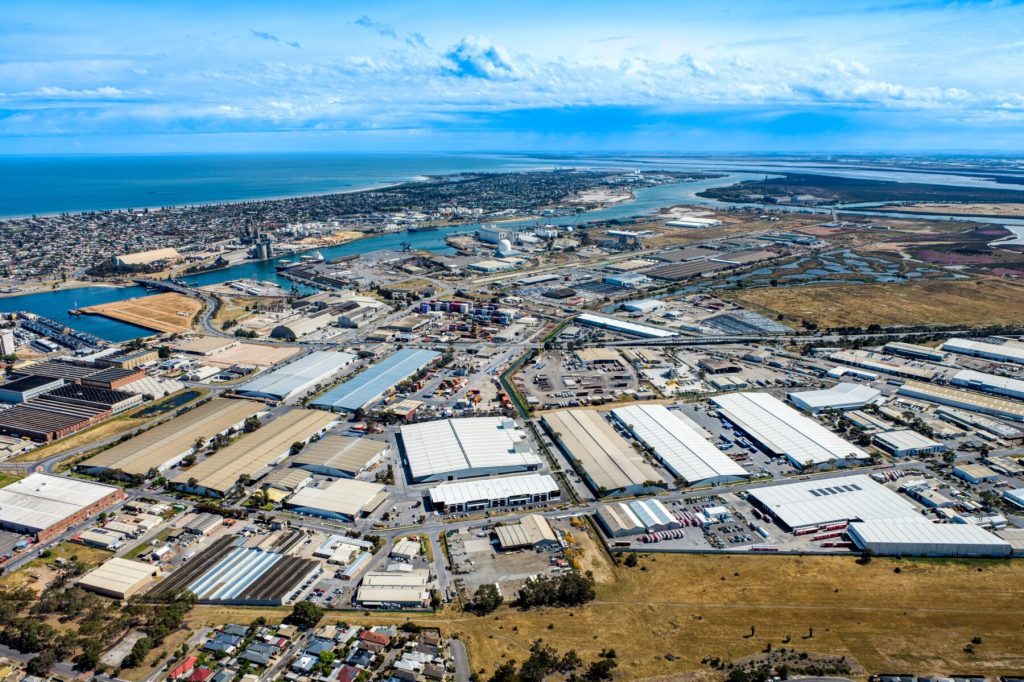
Quintessential sold the Port Adelaide Distribution Centre for more than $216 million earlier this year. Picture: Supplied
Both assets were positioned to benefit from major transport projects reshaping the CBD in the lead-up to the Olympics.
Industrial assets form another pillar of Quintessential’s playbook, particularly in South Australia, where vacancy remains among the tightest globally.
“Adelaide’s industrial market is exceptionally tight, with a limited supply of quality assets and a scarcity of developable land constraining new stock,” Mr Colman said.
“Well-located properties near major arterial routes continue to attract strong demand.
“Adelaide also remains one of the most tightly held industrial markets globally in terms of vacancy. Combine that with restricted land supply and growing strategic investment and Adelaide shapes as a very attractive industrial market.”
The scarcity of warehouse space in the South Australian capital has translated into standout outcomes for the business. In August, Quintessential sold the Port Adelaide Distribution Centre to Centuria for more than $216 million, marking South Australia’s largest industrial transaction on record.
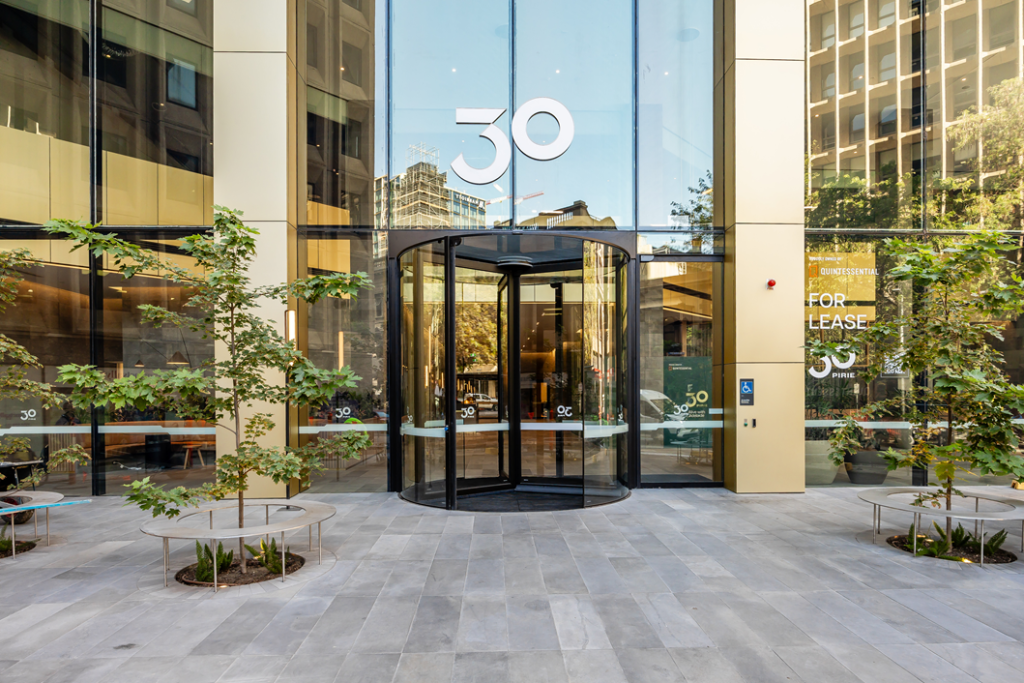
The business completed its $30 million overhaul of the 30 Pirie Street office property in Adelaide earlier this year. Picture: Supplied
The estate had been acquired for $80 million in 2019 and transformed through a $19 million capital works program, including new warehouses and a repositioned tenant mix. While office and industrial assets dominate recent headlines, Mr Colman said Quintessential’s investment lens remained deliberately flexible.
“We are agnostic to location and asset size,” he said. “What matters most are the tenant fundamentals. We look for assets with strong demand, healthy occupancy levels and quality tenants that support sustainable cash flow.”
The focus on fundamentals has been mirrored in Adelaide’s CBD office market, where Quintessential has invested heavily in regeneration rather than ground-up development.
The recent completion of its $30 million overhaul of the 30 Pirie Street office property, which it bought for $73 million in 2022, has repositioned the tower with upgraded amenities, energy efficiency and long-term tenants, providing a lower-cost alternative to new stock.
Investor sentiment, which was bruised throughout the downturn, has also begun to turn.
“Investor sentiment has clearly improved,” Mr Colman said.
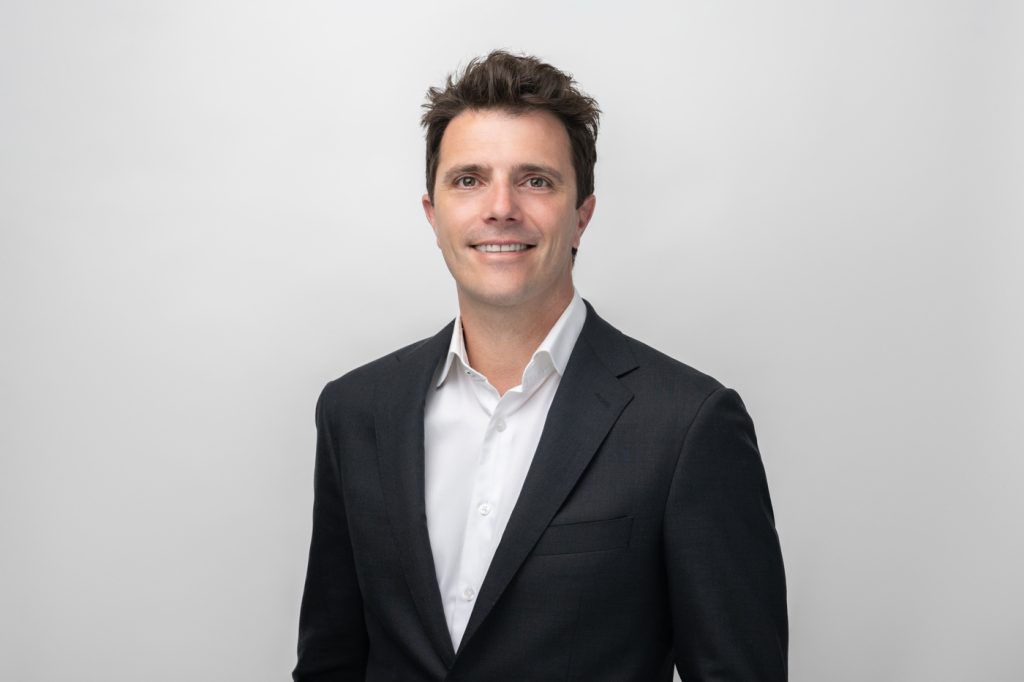
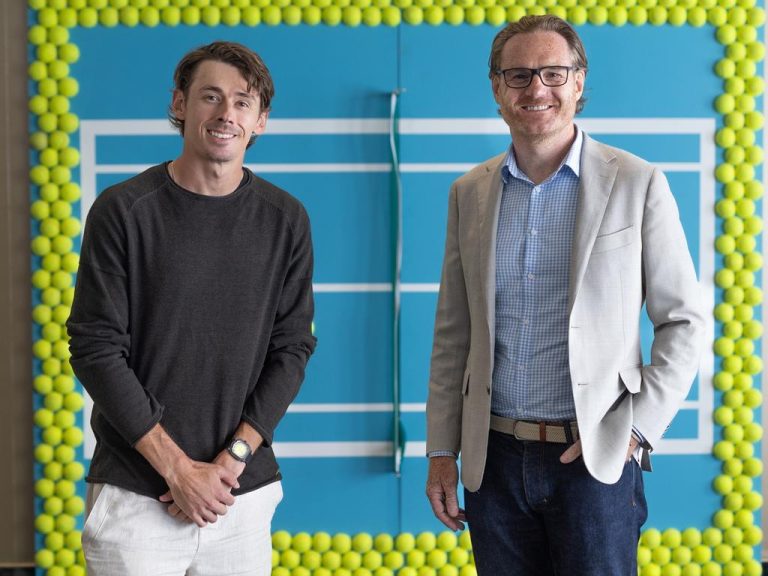
Quintessential’s head of capital Daniel Colman says commercial property investor sentiment has improved. Picture: Supplied
“Our recent office capital raise for Brisbane’s Green Square North Tower was oversubscribed, a sign that investor interest has returned for opportunities in markets with strong growth drivers, such as infrastructure investment, tenant depth, quality assets, and strong management.
“While the recovery is uneven, there’s a growing recognition that compelling opportunities exist, particularly where pricing reflects attractive risk-adjusted returns.”
Looking ahead, Mr Colman said Australia’s commercial property recovery would be gradual and uneven, but the direction of travel was improving.
“We’re seeing some positive momentum returning to Australia’s commercial property market,” he said.
“As interest rates stabilise and work-from-home trends ease, activity in key CBDs has lifted and the cost of debt has moderated. Many core investment fundamentals are now moving in the right direction, though performance will vary by market.”
In the near term, it’s about being selective and focusing on markets with solid infrastructure investment, solid tenant demand and limited new supply, he noted.
He added that the underlying picture is improving despite recent negativity.
“Excluding older, lower-grade stock, vacancy in quality assets is much tighter, and with minimal new supply coming through to 2030 – most of it already pre-committed – we expect headwinds to turn into tailwinds gradually,” he said.
“Well-located office and industrial assets should be the main beneficiaries as constrained supply and steady demand support the next phase of rental growth.”