The surprising Melbourne suburb ranked among the world’s coolest
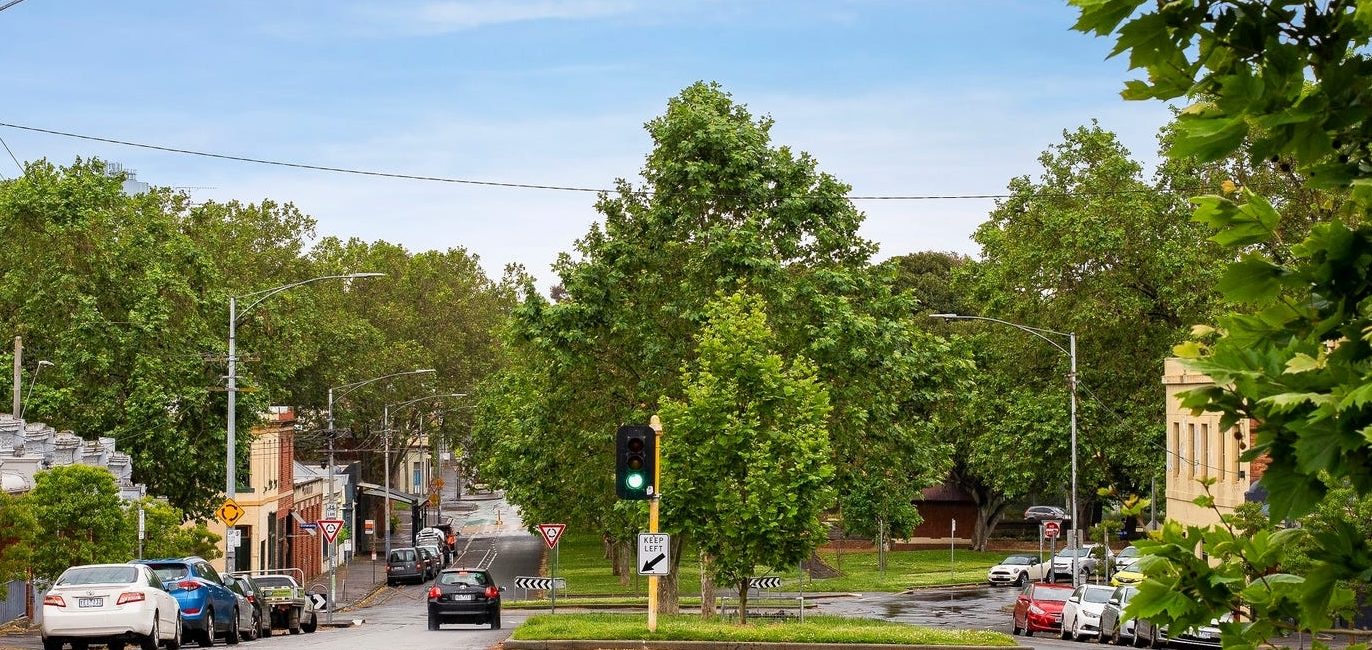
Known for its beautiful Victorian-era terraces, lively cafés and bars, proximity to the CBD and cultural diversity, North Melbourne has long held inner-city appeal. But now it has official global recognition, recently crowned not only one of Australia’s coolest suburbs, but also one of the world’s.
The title was made official by Time Out, who in its annual ranking of the world’s coolest global neighbourhoods placed North Melbourne at number 24, nestled between The Liberties in Dublin (23) and Portales in Mexico City (25).
The nod has sparked a mix of pride and surprise among locals, with the city’s trendy accolades normally reserved for likes of Fitzroy or Brunswick East.
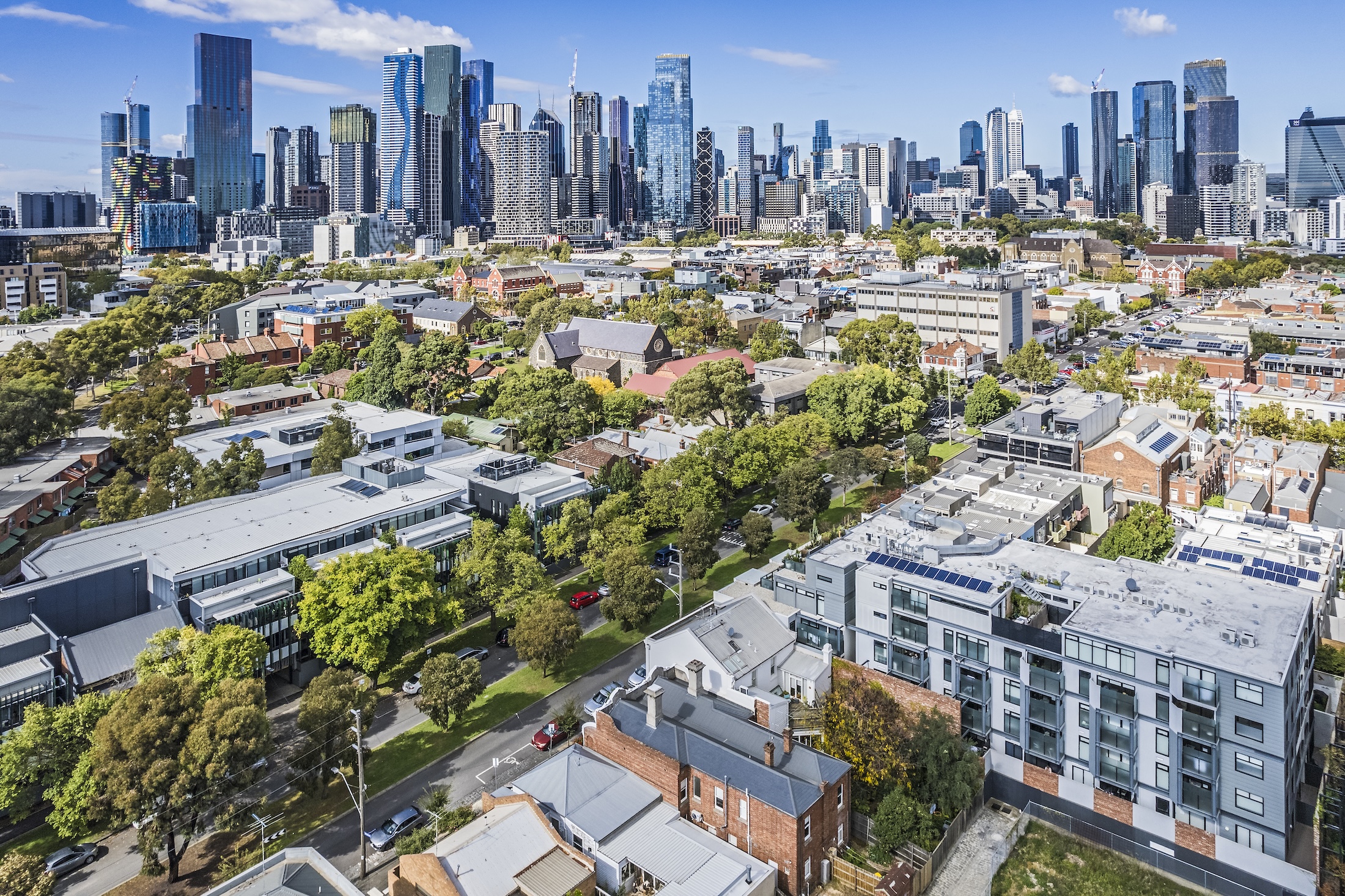
North Melbourne sits on the doorstep of the CBD. Picture: Getty
Paul Cook, owner of long-running local institution Heartland Records, seems unsure about North Melbourne’s apparent cool factor, though is quick to praise its friendliness and sense of community.
“I’m originally from a little village in England where people will say hello to you in the morning. You get that genuine friendliness here, which is surprising for an area so close to the city,” Mr Cook told realcommercial.com.au.
“It’s a bit strange though, the whole ‘cool’ thing. Who do they get to vote? I like North Melbourne, it’s a really nice place to live and work, but I’m not sure what the ranking is based on.”
According to Time Out, what defines a cool neighbourhood are “places that represent the soul of our cities, while maintaining their own unique local character that draws people in to live, work and play.”
The publication’s criteria include culture, community, liveability, nightlife, food and drink, street life and that hard-to-define sense of ‘nowness’.
A central location with no Maccas
Few know North Melbourne better than those who’ve worked behind its counters for decades.
While Heartland Records has technically called North Melbourne home for 14 years, its roots stretch back to 1992, when the first incarnation of the store opened a few blocks over on Peel Street, straddling the North–West Melbourne border.
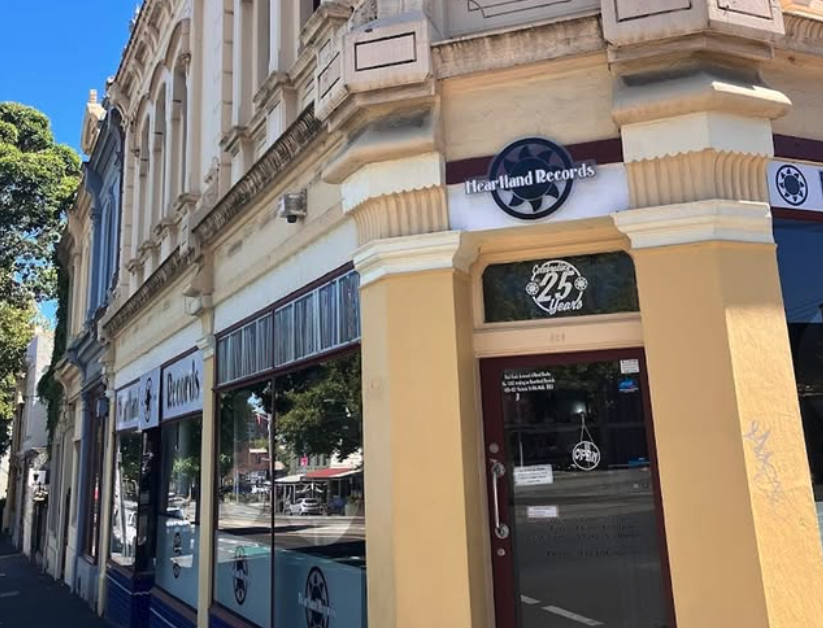
Heartland Records in North Melbourne. Picture: instagram @heartlandrecords
“Back then we were across the road from Victoria Market. We figured there were so many people around there, what could possibly go wrong? But we soon discovered people who shop at Victoria Market don’t necessarily go into shops to buy records,” Paul Cook said.
“Then when we moved here, it was around the same time vinyl started becoming popular again, so things worked out well.”
Accessibility has been key to the shop’s success at its Victoria Street address.
“It’s easy for people to get to and there’s lots of great parking – you can literally get a park right outside the shop. I’m kind of lucky that my business is one people will travel to, because North Melbourne isn’t really known as a shopping destination,” he said.
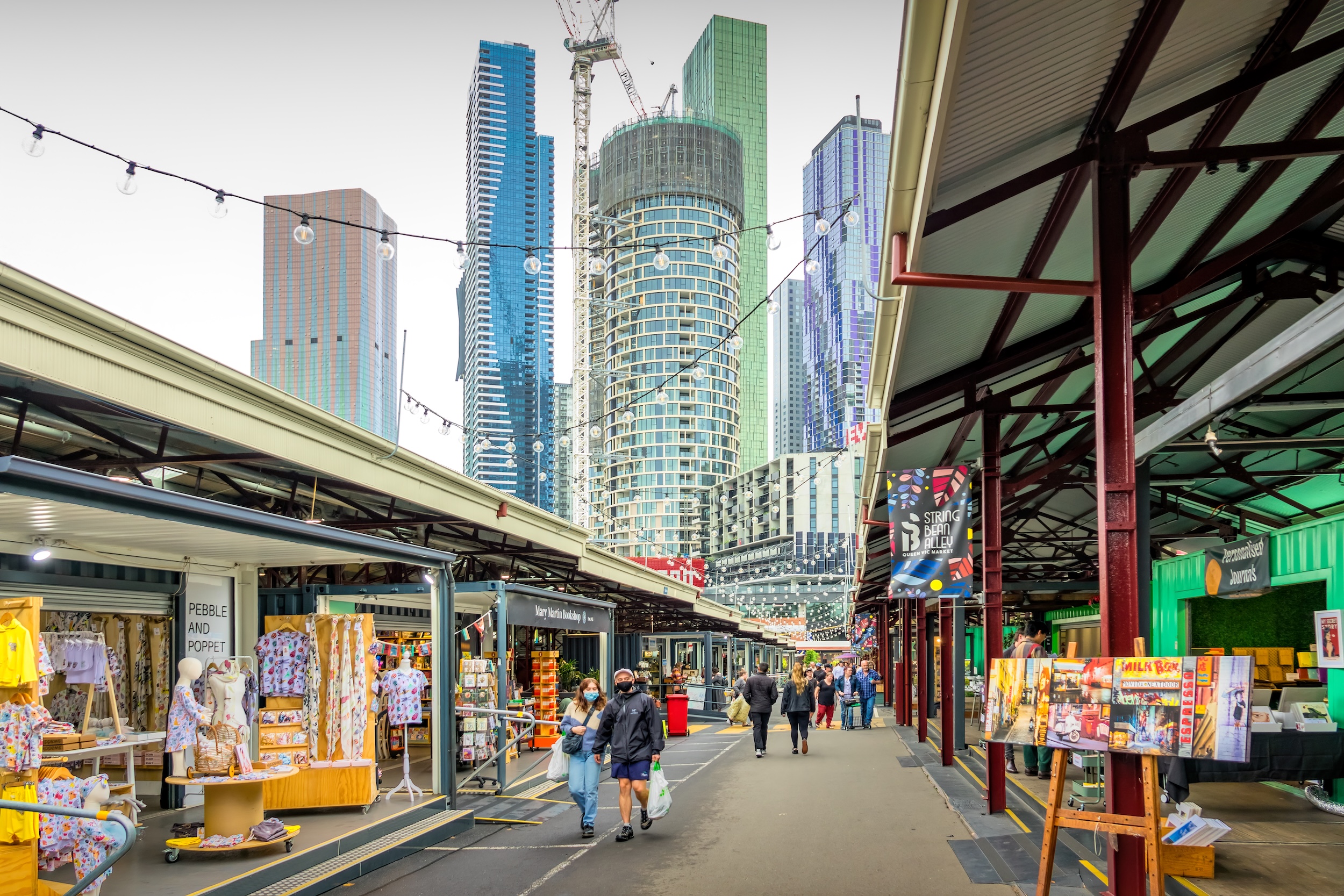
The Queen Victoria Market is the largest market in Australia. Picture: Getty
“There are a few places dotted around and there’s obviously loads of cafes and stuff, but it’s not known for its retail. There’s no fast-food places or chain stores, which some people might think is a bad thing, but I think it’s great there’s no McDonald’s around here.”
The beating heart of North Melbourne
Errol Street is regarded as the suburb’s main hub; a wide café-and bar-lined strip boasting historic Victorian-era shopfronts, renowned for its buzzy vibes throughout the day that go long into the night.
With a wave of new bars and restaurants opening in recent years, some now hail it as one of the most vibrant strips in all of Melbourne.
“After Covid, a lot of tired operators in the area decided not to renew their leases, and only local institutions stuck around,” Lachlan Jones, owner of craft beer bar, Benchwarmer, recently told Broadsheet. “So you’re left with a lot of older establishments that are still thriving, but there’s also been an injection of youth.”
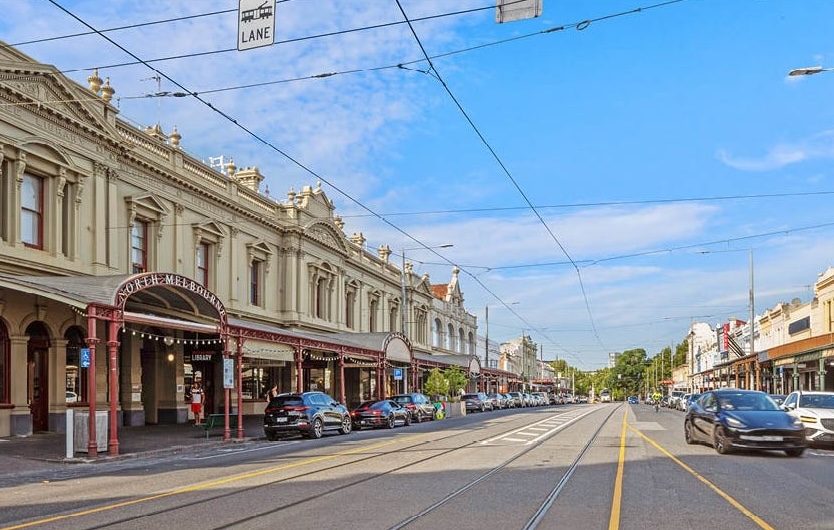
Errol Street is regarded as the suburb’s main hub. Picture: realcommercial.com.au
Those new establishments include Udom House, Lumen, Bears, Whitebark and the refurbished Courthouse Hotel.
Alongside its new wave of venues, Errol Street also remains home to much-loved, long-serving cafes like Auction Rooms and Hot Poppy Café.
“On a nice sunny day, you’ll often see people having little picnics on the wide grassy median strip outside Auction Rooms,” said Charles Bongiovanni, principal of Belle Property Carlton.
“There are official plans to transform the median strip into parkland soon. That’s one of the great things about North Melbourne; it’s got the feeling of a big country town but it’s right on the city fringe.”
From market stalls to creative halls
Originally a working-class suburb built around the meat and produce markets that preceded today’s Queen Victoria Market, North Melbourne was once defined by rows of brick terraces, bluestone lanes and small factories. Waves of Irish, Italian and later Greek migrants gave the area its rich cultural flavour and strong sense of community.
By the mid-20th century, overcrowding and post-war suburban drift brought major renewal. Public housing towers rose where cottages once stood, yet the suburb’s diversity endured.
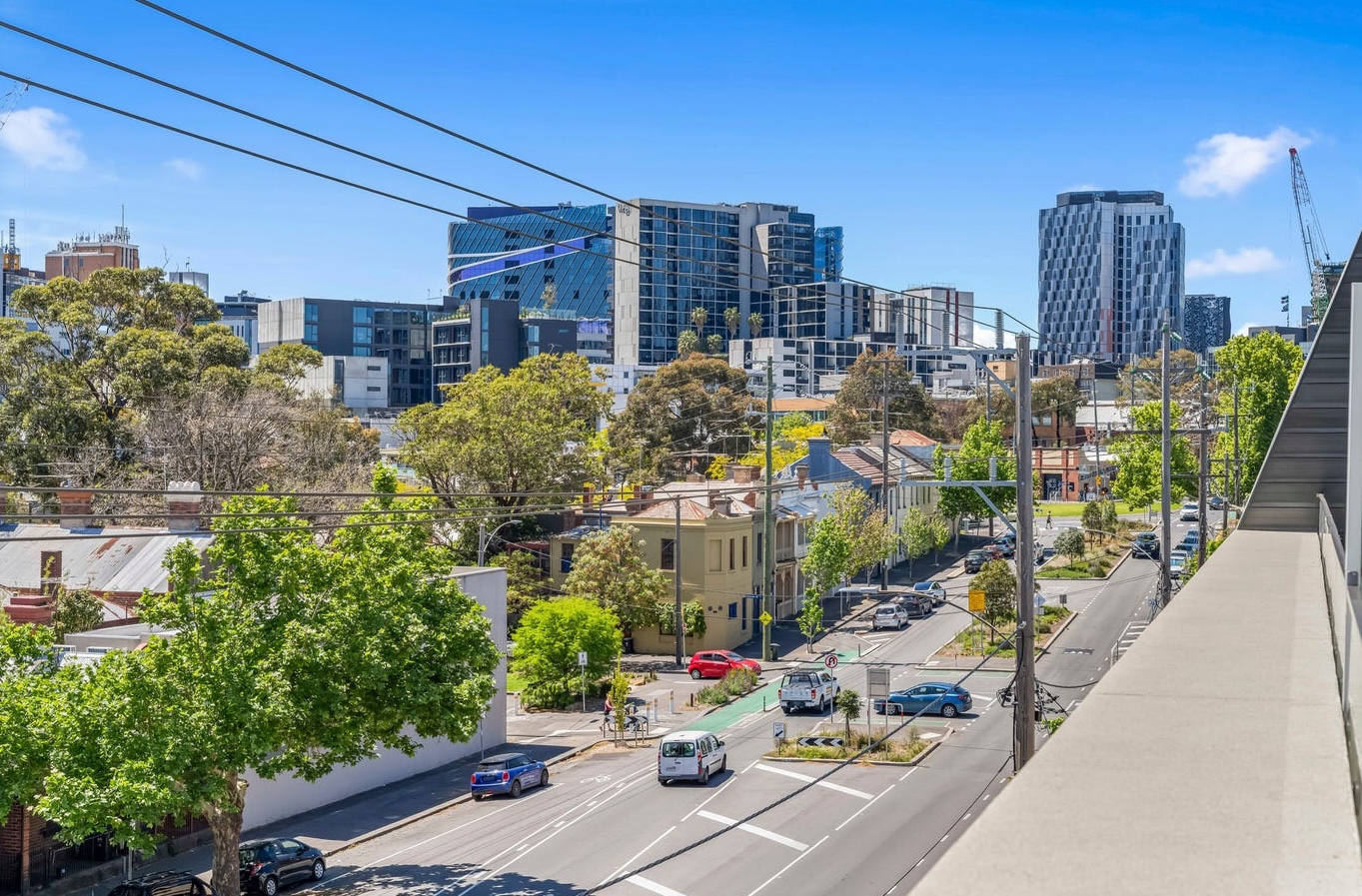
More than half of North Melbourne’s residents were born overseas according to ABS Census data. Picture: realestate.com.au
Its proximity to the city and universities began drawing students and artists, a creative energy still embodied today in spaces like Meat Market – a hub for creative arts and cultural productions in a beautiful heritage listed building.
“It was built in 1880 and was a working meat market until the 1970s. After a period as a craft maker’s market in the 1990s, it was repurposed as a performance space,” venue director Emma Devereux told realcommercial.com.au.
“It’s a beautiful building. I used to look after the bookings years ago and one of my favourite things was taking people on a site visit. When you walk them into the room for the first time, they would look up and almost always say, ‘wow,’ because it’s stunning space.”
Ms Devereux said Meat Market is an important cultural destination for North Melbourne, attracting thousands of visitors each year.
“We draw between 180 and 300,000 annually. We recently hosted a mini-Melbourne Fringe Festival and look forward to hosting a series of events called Midsumma in early January.”
A suburb of diversity
According to the latest Census, more than half of North Melbourne’s population was born outside of Australia, with 52.9% having both parents born overseas.
This diversity is reflected in the suburb’s vibrant food scene – from Manzé, Melbourne’s first Mauritian wine bar, to North African vegetarian icon Moroccan Soup Bar, and the Japanese inspired baked goods of Le Bajo Milkbar.
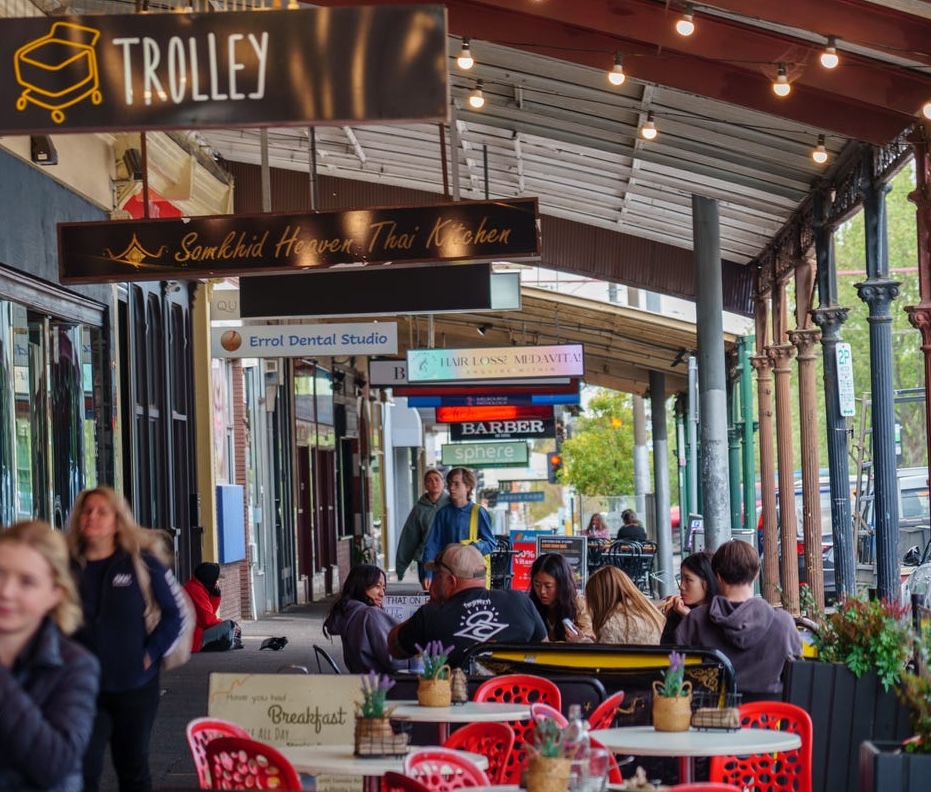
Home to Melbourne’s first Mauritian wine bar, a Moroccan Soup Bar and Japanese baked goods. Picture: realcommercial.com.au
A more recent addition is Baguette Studios, a café-bakery pairing French patisserie items with Korean flavours – a nod to co-owner Aileen Seo’s heritage.
Having lived in North Melbourne for 14 years, Ms Seo opened the business in 2022.
“We wanted to bring something different to the area and the feedback we get from customers is wonderful. We are a family run business and our philosophy is to bring warmth into ordinary daily life,” Ms Seo said.
Located on Wreckyn Street, just down from The Royal Women’s Hospital, Baguette Studios’ location was chosen for its close connection to local routines.
“Choosing somewhere close to markets, schools and the hospital was important,” Seo said. “I think the diversity of the area is what makes it great. Meeting customers from so many different backgrounds brings me joy and I’m very happy North Melbourne is being recognised for its unique character.”
Living in the world’s coolest neighbourhood
Alongside its central location and diverse food and cultural scene, North Melbourne also remains one of the more affordable city-fringe suburbs, according to Belle Property’s Charles Bongiovanni.
“It’s probably the most affordable city fringe suburb in the country. I often compare it to somewhere like Surry Hills, except it’s about a third of the price.”
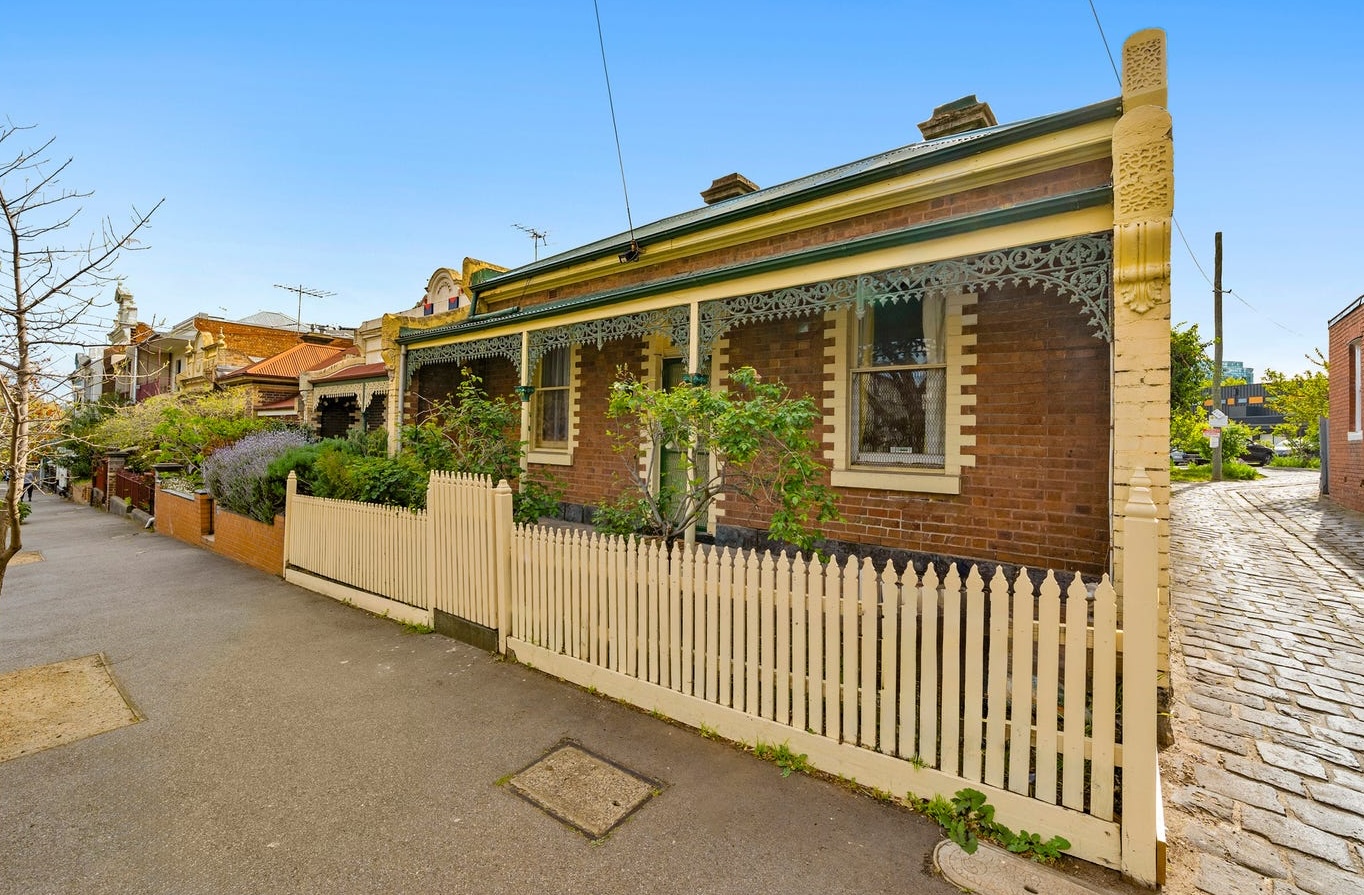
North Melbourne’s real estate is made up of modern apartments and charming Victorian terraces, such as 377 Dryburgh Street which is listed for $1.85m. Picture: realestate.com.au
According to PropTrack, North Melbourne’s five-year median house price has risen from $1.11 million to $1.2 million, while apartment prices have eased from $550,000 to $490,000.
“That’s because the area had an oversupply of apartments, which is now drying up,” Mr Bongiovanni explained. “There aren’t many new developments in the pipeline, so what was once largely investor stock is reverting to owner-occupied, with young buyers now taking up a lot of those apartments.”
He said the suburb’s demographic shift toward younger residents has been significant.
“We’re seeing lots of young couples and families moving in who want to be near North Melbourne Primary School, the universities and within the high school zone,” he said.
“There’s also lots of nurses and doctors working at the Royal Melbourne Hospital – or people who lived here while studying who love the area – that decided to come back and buy.”
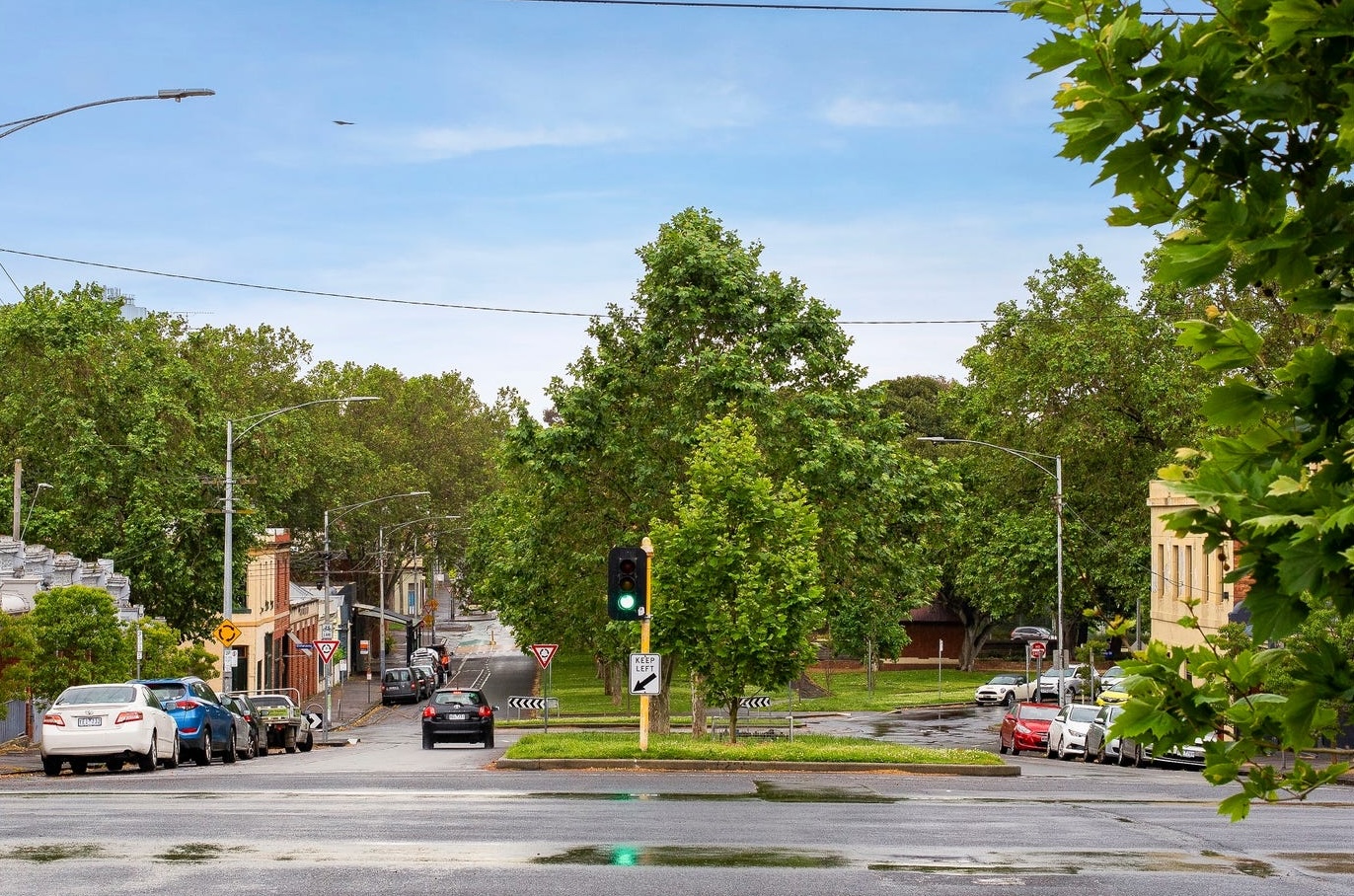
It’s wide leafy streets and connectivity to the city attract young families and professionals. Picture: realestate.com.au
Aesthetically, North Melbourne consists of many single and double storey Victorian terraces.
“Because it was once a blue-collar area, there’s also lots of warehouses, which are now becoming stylish conversions – contemporary vertical living with rooftop decks,” said Mr Bongiovanni.
He added that strong connectivity continues to enhance the suburb’s appeal.
“It also has great connectivity and transport links, like the new Arden Station metro line. Once the West Gate Tunnel is complete there’ll soon be less traffic and more green space, which I think will give the area even more of a village feel.”
Time Out’s Top 25 Coolest Neighbourhoods of 2025:
- Jimbōchō, Tokyo
- Borgerhout, Antwerp
- Barra Funda, São Paulo
- Camberwell, London
- Avondale, Chicago
- Mullae-dong, Seoul
- Ménilmontant, Paris
- Nakatsu, Osaka
- Vallila, Helsinki
- Labone, Accra
- Nguyen Thai Binh, Ho Chi Minh
- Anjos, Lisbon
- Digbeth, Birmingham
- Red Hook, New York
- Perpetuo Socorro, Medellín
- Burwood, Sydney
- Linden, Johannesburg
- Former French Concession, Shanghai
- Quartieri Spagnoli, Naples
- Bencoolen, Singapore
- Endoume, Marseille
- Plateau-Mont-Royal, Montréal
- The Liberties, Dublin
- North Melbourne, Melbourne
- Portales, Mexico City