Aussie entrepreneurs taking on Tokyo

While the bustling, neon-lit metropolis of Tokyo might seem a world away from the laid-back beaches of Australia, a wave of True Blue entrepreneurs are proving that Aussie ingenuity knows no bounds.
Leaving the familiar shores of home behind them, a growing number of Australians have set their sights on the Land of the Rising Sun and have found remarkable success.
From tech innovators to hospitality heroes, read on to discover the secrets behind their triumphs, the challenges they’ve overcome, and the unique blend of Aussie spirit and Japanese savvy that’s helped them shine on the Tokyo stage.
Tokyo Family Stays
When Sydney-born entrepreneur, Tracey Northcott, identified a gap in the Tokyo accommodation market — a gap for family-friendly rentals with the feel of a “home away from home” — it became the latest in a long line of winning business ideas for the talented go-getter.
“I had always been interested in real estate,” she explained. “And after my son was born, I wanted to take on a side hustle to rent apartments to inbound tourists, which was a new industry and looked to be one poised for growth.”
Her idea turned into Tokyo Family Stays, a curated collection of apartments and houses designed specifically for families visiting the city. But before this came a string of other Tokyo ventures that began when she first relocated to the city at the age of 29.
“I was keen to take on a new adventure in Japan as a software developer,” she explained. “I had studied Japanese in high school and university and my brother Richard had moved to Japan back in 1986 and started up his own company.”
Tracey pivoted repeatedly before ‘pivoting’ was even a thing with the siblings launching ventures across fields as diverse as tech and hospitality.
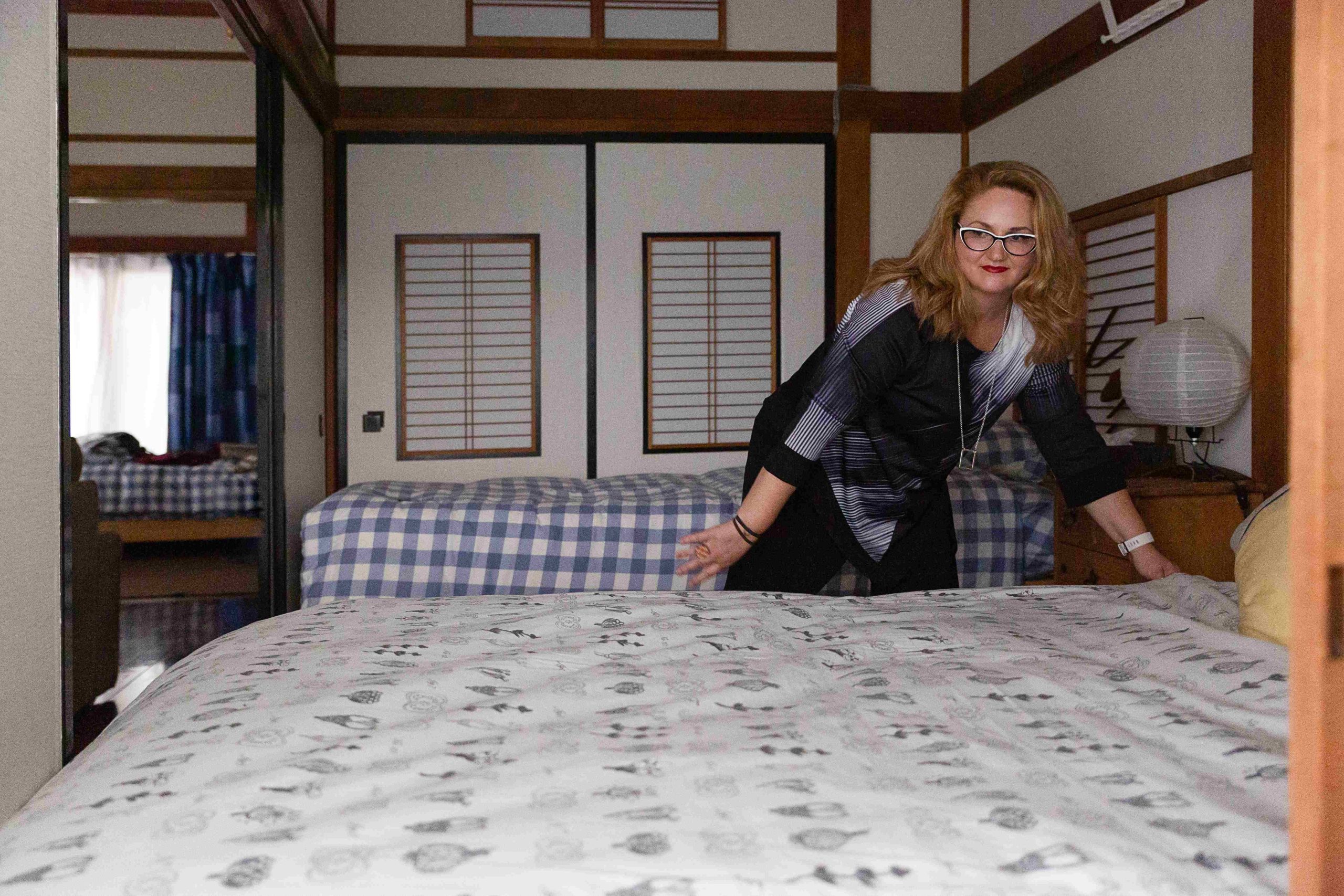
Tracey Northcott’s Tokyo Family Stays offers family-friendly rentals in the Japanese capital. Picture: Supplied.
Tokyo Family Stays has grown into a robust business employing a team almost 10. In addition, Tracey also runs her own consulting company, helping other investors enter the Japanese market and monetising their real estate investments.
And now, after almost 25 years in the country, the 54-year-old is as passionate as ever about the opportunities that Tokyo has provided her.
“Japan is a great place to run a business. If you have a dream and you are prepared to understand the existing framework of culture and laws, you can co-exist alongside in a sustainable way.
“I am building a business I am proud of and I serve customers who are grateful for the services that we have created. Sure I have made some mistakes but mostly it is about understanding my customer, the market and providing a solution that people want to pay for.
“After 25 years, I do feel like I am home here. Living in Tokyo, I am so grateful to have endless sources of new ideas, people from around the globe doing really interesting things.”
C7EVEN K.K
While having a lifelong, deep appreciation for Japanese culture, it wasn’t until tech-savvy entrepreneur, Jonathan Mueller, saw a gap in the market for his Australian based web design and development agency, C7EVEN, that he decided to swap his native Southern Highlands in NSW for the bright lights of the Japanese capital.
“We saw a need for a specialist agency that could bridge this gap for international brands,” explained Mr Mueller. “One that offered both strategic insights and on-the-ground execution.
Established in Tokyo almost two years ago, C7EVEN K.K. is a full-service marketing and communications agency that helps businesses succeed in the Japanese market.
“We provide strategy, market entry support, digital marketing, media, PR, website development, graphic design, and localisation services,” said Mr Mueller.
“Ensuring brands effectively connect with Japanese audiences and navigate the unique market landscape.”
But building a business in his native Australia was very different to building it overseas — especially in a country with a very different culture.
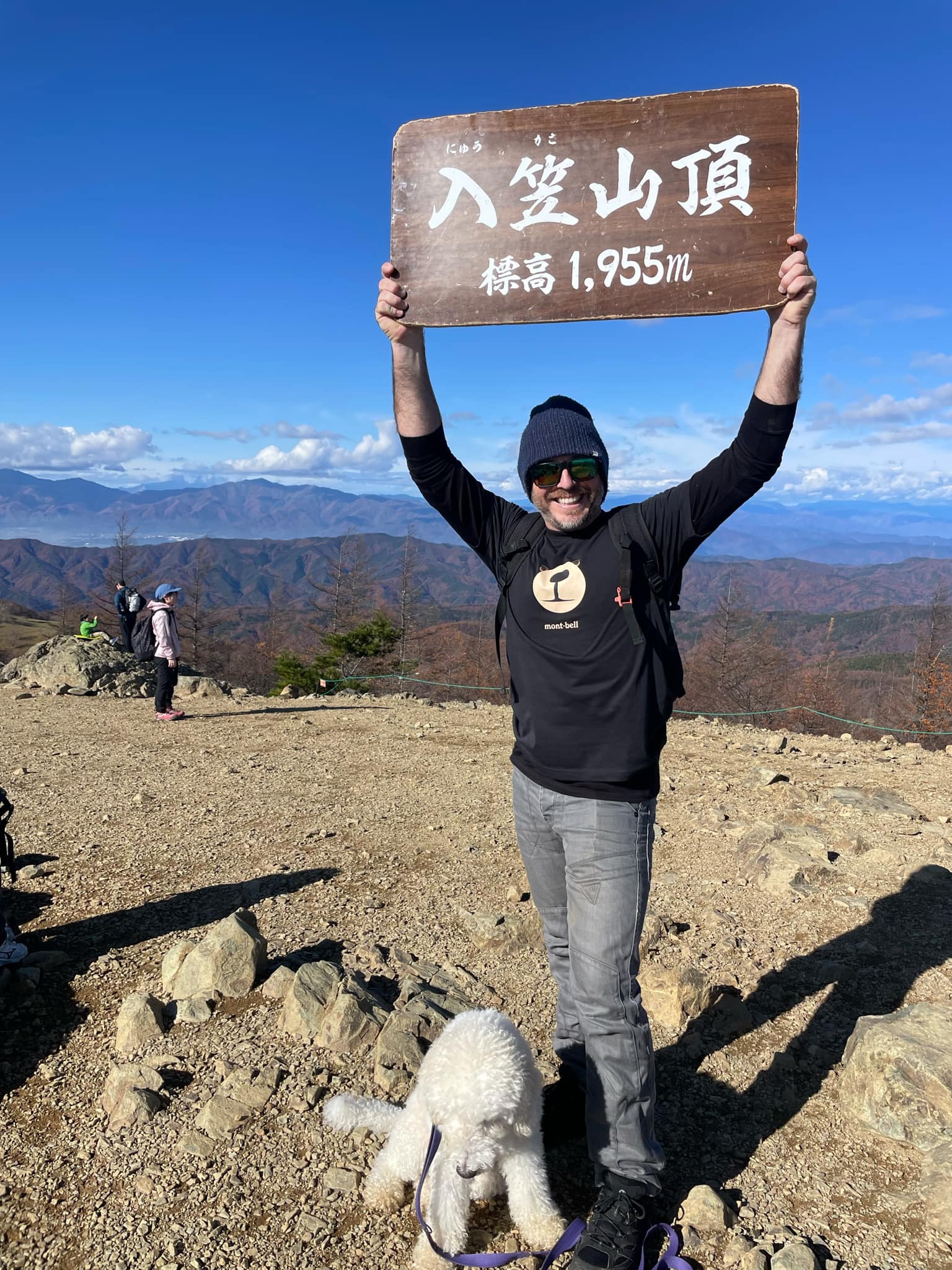
Hailing from the New South Wales Southern Highlands, Joanthan Mueller now helps businesses succeed in Japan. Picture: Supplied.
“Navigating Japan’s business culture and regulatory environment was a steep learning curve,” admitted the managing director.
“The legal and operational frameworks here are very different from Australia, and building relationships takes time. Setting up the business, securing necessary approvals, then finding the right team to deliver on our value, also took considerable time and education.”
While hurdles needed to be overcome the 40-year-old has no regrets about his decision to expand into Japan.
“Expanding was a bold move,” he reflected. “But it was the right one. Of course, there were challenges along the way, but each one strengthened our business and deepened our understanding of the market.
“If I could change anything, we might have tried to come into market sooner as it really has been a great decision. But overall, the journey has been incredibly rewarding.
“Looking ahead, we’re focused on continuing to grow in market and expand our team. We hope to grow in line with our Australian entity and continue to service more clients from Australian and other international markets. The potential here is immense, and we’re excited about the next phase of growth.”
DIG Tokyo Tours
When Melbourne-born storage and warehousing manager, Andy Miller, relocated to Tokyo in 2016 he had no idea just how drastically his career direction would change.
“My wife was presented with the opportunity to assist her company enter the Japanese market and we thought it’d be a brilliant opportunity to put our two young boys into the public education system and get them fluent in Japanese,” explained Mr Miller.
No stranger to the country, Mr Miller had first lived in Japan back in 2001 and had since travelled extensively back and forth after meeting his Japanese-born wife.
It was this knowledge and appreciation of the local culture that proved to be the genesis for a life-changing business.
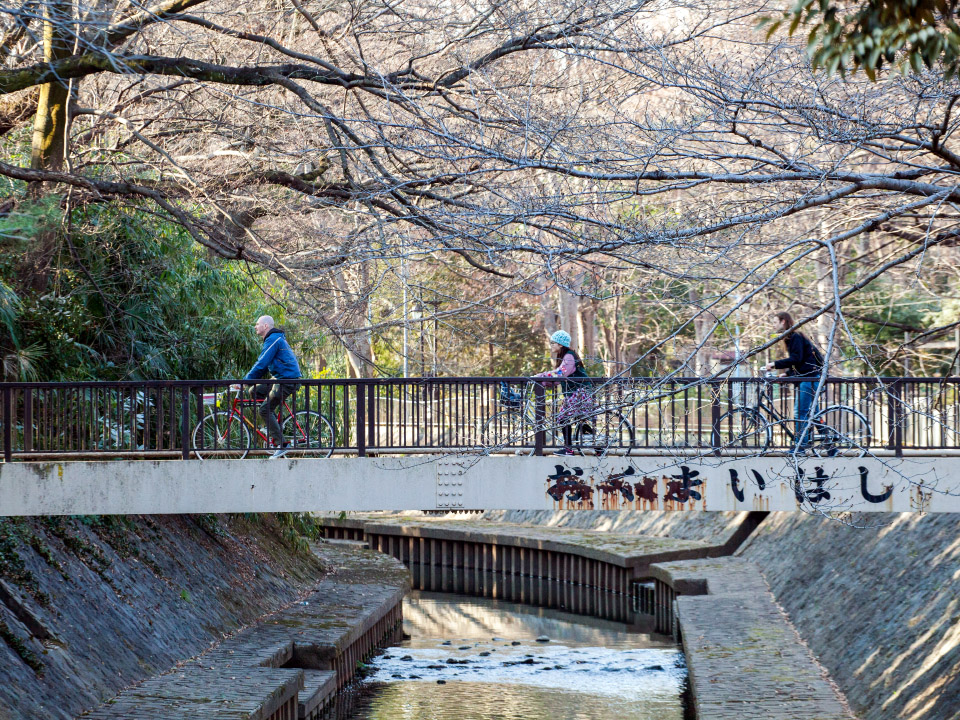
DIG Tokyo Tours provides its customers an authentic experience of the city. Picture: Supplied.
“I’ve always enjoyed playing around with bikes,” he said. “Most of the Tours back then in Tokyo were pretty formulaic by design and I thought it’d be a great opportunity to get people out into the local neighbourhoods on bikes to complement their trip and provide an honest local insight into the city.”
DIG Tokyo Tours offers unique and immersive experiences that go beyond the typical tourist traps. Socially responsible, the small-group, family and private tours delve into the heart of Tokyo’s vibrant neighbourhoods, showcasing hidden gems, local traditions, and authentic culinary delights.
In the decade-plus since he started, the business has grown and amassed a raft of accolades including Traveller’s Choice Awards on Tripadvisor, global media coverage, and an inclusion in Airbnb’s ’10 most popular cycling tours’ globally.
Part of this success believes Mr Miller is his Aussie “no BS” approach to business: “Authenticity is valued over superficial and flashy. I want guests walking away feeling that they were part of a living neighbourhood on a non-manufactured day out.”
But navigating the complexities of bureaucratic red tape and language difficulties in the Land of the Rising Sun isn’t for the faint of heart, said the tour operator.
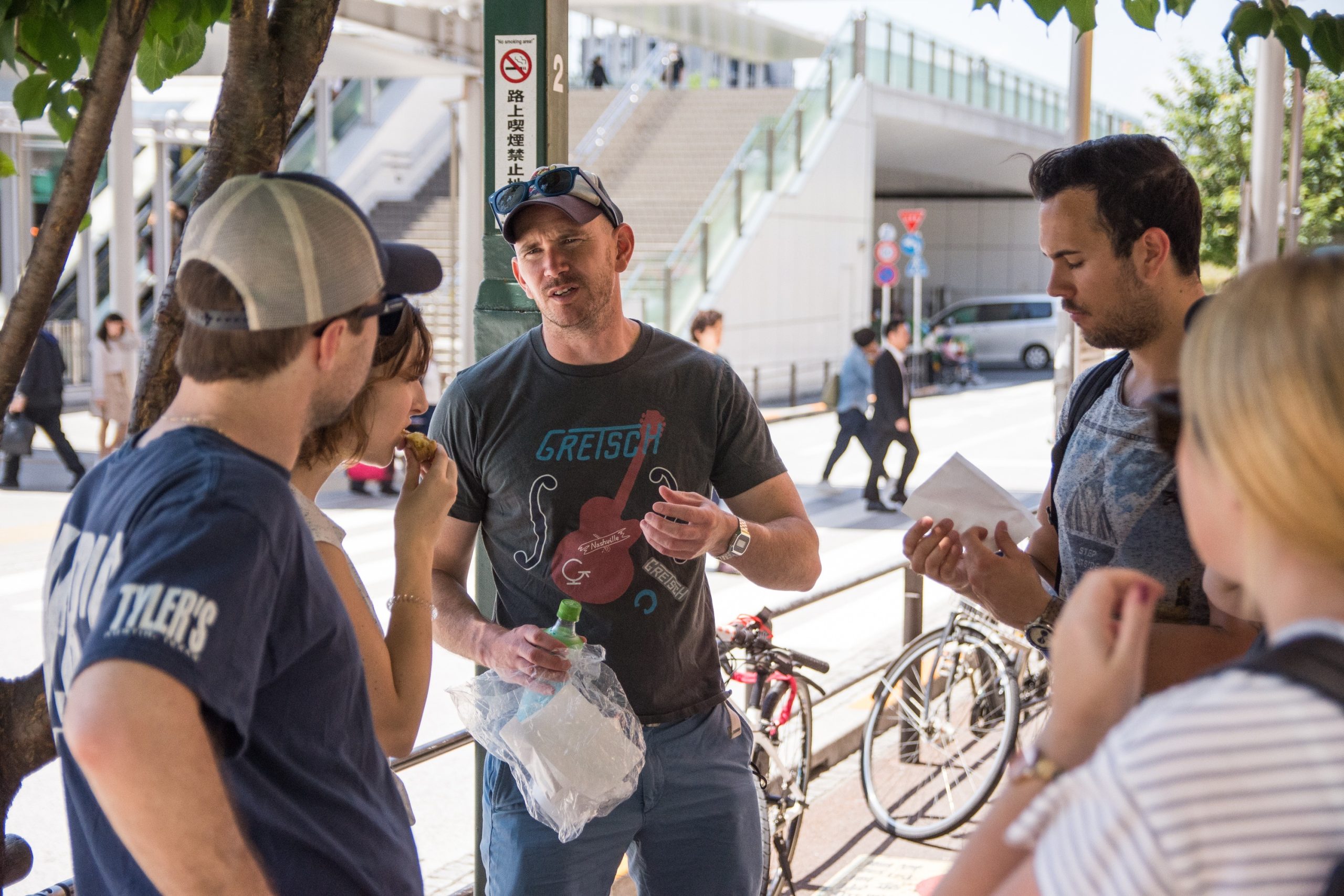
Having negotiated Japan’s complex administrative systems and language barrier, Andy Miller’s business is now collecting major accolades. Picture: Supplied.
“The language has been the biggest barrier and something that I’m always working on,” he said.
“Particularly when dealing with the copious amounts of technical paperwork and the business taxation requirements. As advanced as Japan seems on the service level, it’s swamped with paperwork and ‘rubber stamping’ for even the simplest of tasks.
“The banking system is often a good example of this. However, now that most of the company’s internal systems are in place, and trust has been established, daily operations tend to run much smoother.”
Looking back on the last 10 years, the 45-year-old concedes that he might have done things differently but that his priorities have also changed along the way.
“I most definitely undervalued my services and skillset in the initial years,” he said.
“It was a long hard slog building a reputation and earning a respectable wage in the early stages. The small amounts of surplus income I had in the initial years should have been directed towards experts in the necessary fields instead of spending endless hours educating and trying to figure everything out myself. Work life balance could have been a hell of a lot better. I’m sure many small business operators can attest to this.
“I was initially looking at world domination but in all honesty as long as I can bring a smile to guests faces and spark some curiosity in Japan, that’s all right by me. Keeping the operation intimate, local and working on strengthening partnerships with local personalities, vendors and likeminded small tourism providers such as myself.”
Single Origin
When Single O first opened its cafe in Surry Hills, back in 2003, it was one of the first places with a crop-to-cup ethos – a place that thought about coffee like sommeliers think about wine.
And it wasn’t long before co-founder and coffee aficionado, Dion Cohen, set his sights on international expansion.
“I’d been traveling to Japan for years —part work, part play, but always with a fascination for the culture, craftsmanship, and of course, the coffee,” said Mr Cohen.
“Japan has an incredible ability to take something and perfect it, and we saw that firsthand in the way specialty coffee was evolving there.”
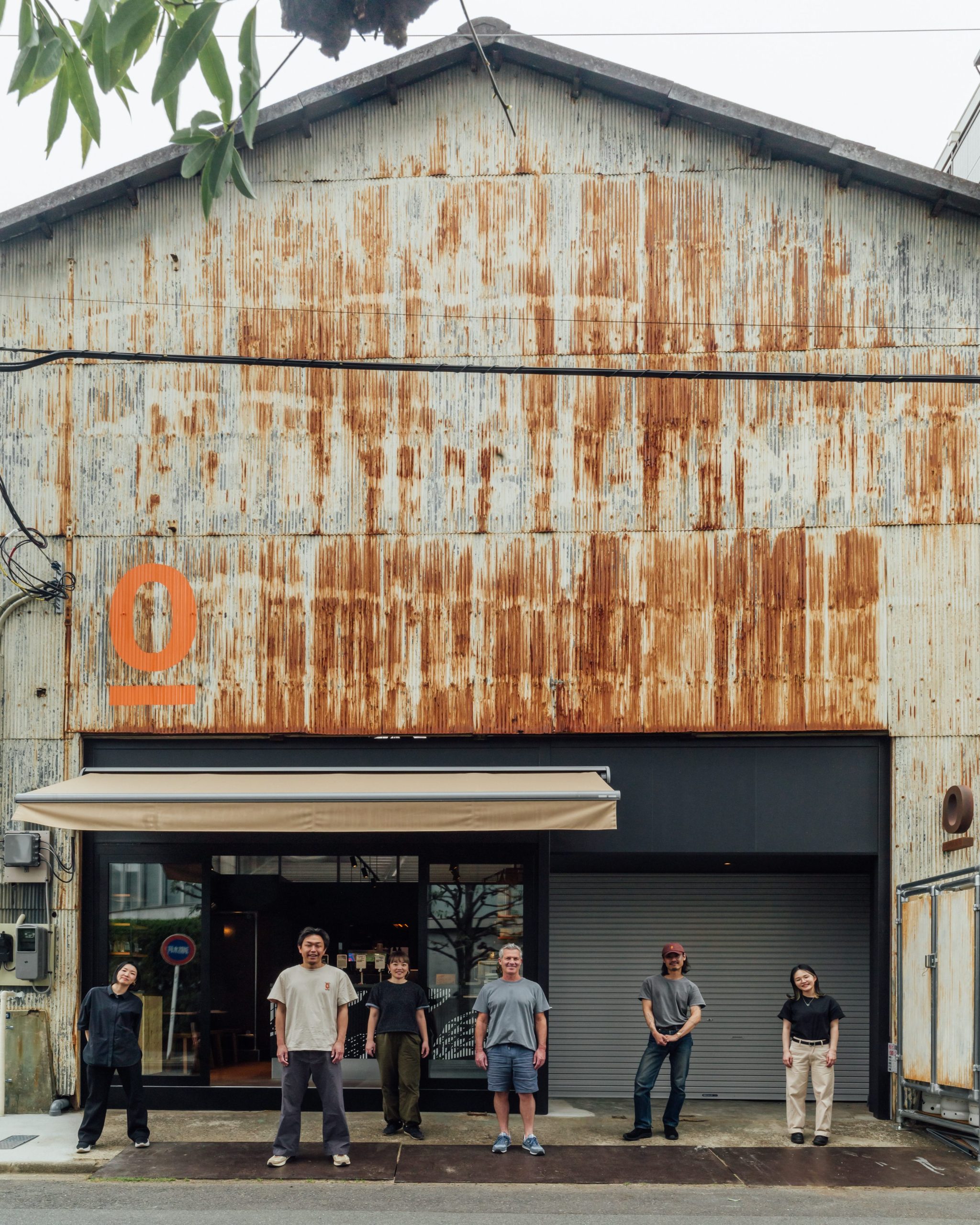
The art of crafting good coffee is in demand from Sydney to Tokyo, according to Single O’s Dion Cohen. Picture: Supplied.
It was this appreciation for the burgeoning coffee scene that saw the entrepreneur open Single O’s first roastery in Tokyo in 2014.
“The response was unreal,” said the Sydney-based co-founder. “We started small, roasting for a handful of local businesses and running a little tasting bar on the side. Over time, we built a community and a team that truly got what we were about, and the momentum kept growing from there.”
The first Single O cafe in Tokyo’s Hamacho neighbourhood followed in 2021 but there were challenges that the business had to overcome.
“Expanding overseas is never without its challenges and Japan was no exception,” he said.
“First off, the legal and operational side of things are pretty complex. Setting up a business in Japan as a foreign company isn’t as straightforward as it is in Australia, so navigating the regulatory landscape took time, patience, and the right local partners.
“Culturally, while there’s a shared appreciation for quality and craft between Japan and Australia, the way business is done is quite different.
“Relationship-building is key in Japan, and things tend to move at a more considered pace. We learned pretty quickly that you can’t just come in with a big bang approach — you have to earn trust and grow organically. That’s why we started small with our roastery and let things build from there.”
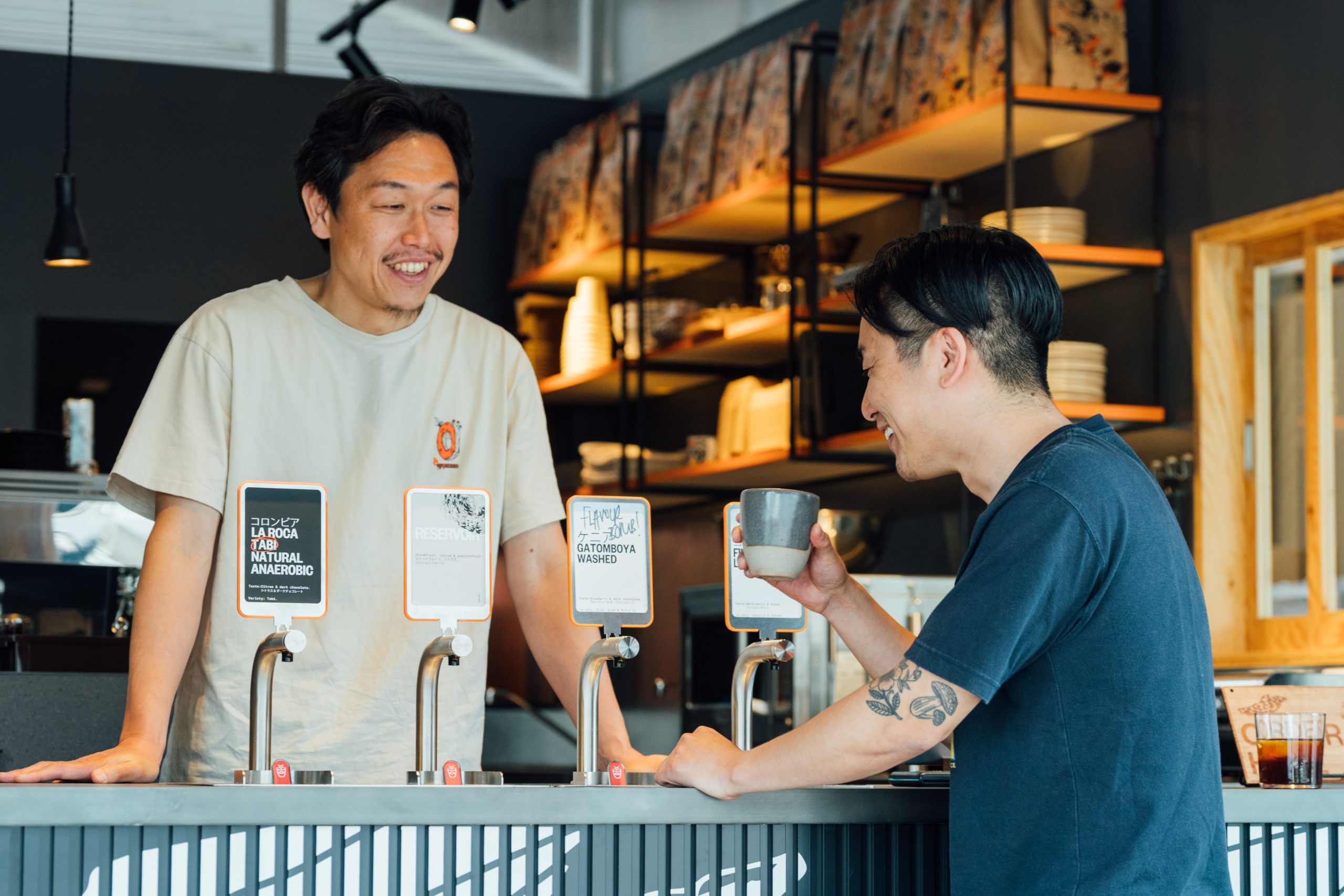
Building relationships is key to building a business in the Japanese capital. Picture: Supplied.
Cohen’s commitment to ethical sourcing, innovative brewing methods, and creating a welcoming atmosphere has clearly resonated — even in a tea-loving nation.
And now, more than a decade into its Japanese operations, Single O has opened a second cafe in Ryogoku and relocated its roastery to the same site — a move that Mr Cohen says will quadruple production capacity.
“We’re not slowing down!” said the 53-year-old.
“This year, we’re set to open two new spots continuing to build on the momentum. Beyond cafes, we’re roasting for over 100 wholesale partners across the country, and we’re seeing a real shift in how specialty coffee is being embraced in Japan.
“It really has been the best decision for our business, so no regrets! And, as for other countries? Never say never. We’re always open to new opportunities where we feel we can make an impact. But for now, we’re doubling down on what we’ve started in Japan and seeing where the journey takes us next.”