‘Business as usual’ for commercial property despite RBA rate hike
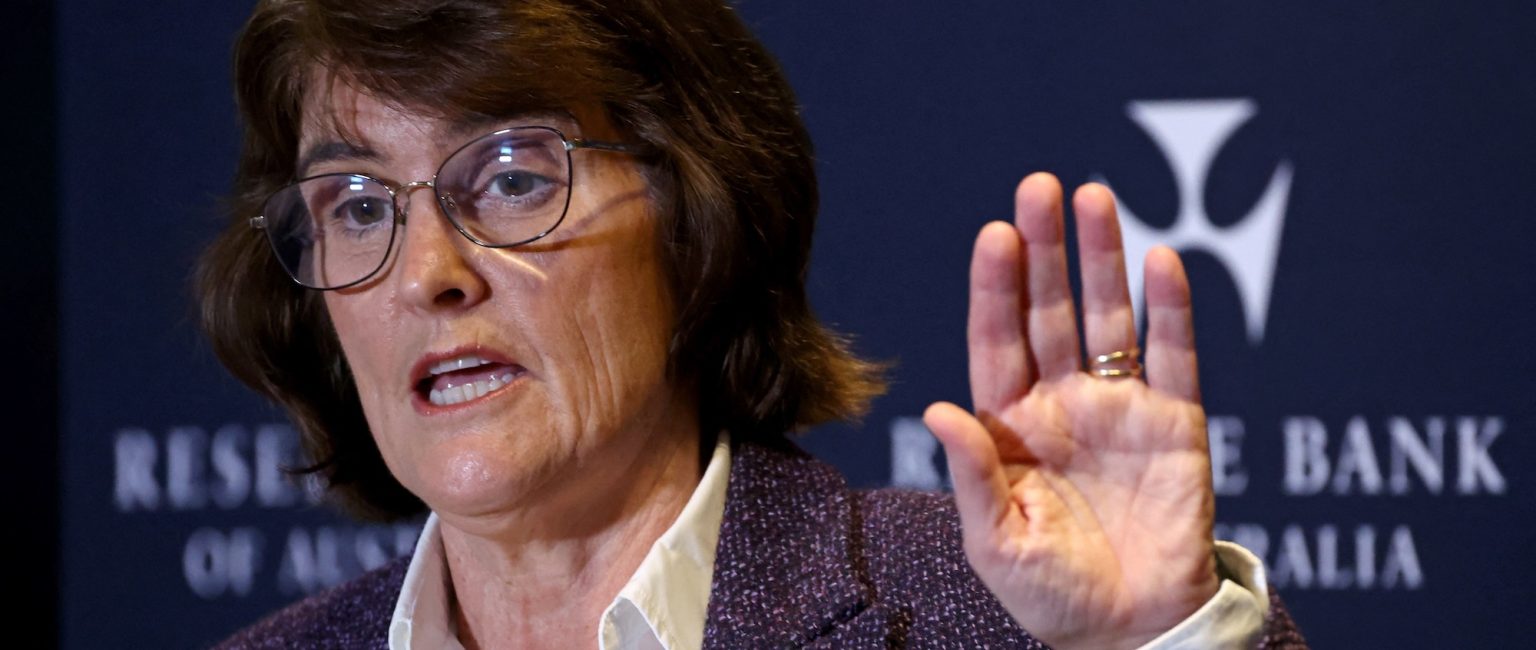
A partial reversal of the looser monetary policy in 2025 has many investors asking what it means – and experts are saying one hike to 3.85% isn’t a gamechanger.
At its meeting on Tuesday, the Reserve Bank board elected to increase the cash rate by 25 basis points to 3.85%, bringing the rate back to where it was pre-August 2025.
The decision to hike was unanimous among the nine board members – the fifth unanimous decision in a row.
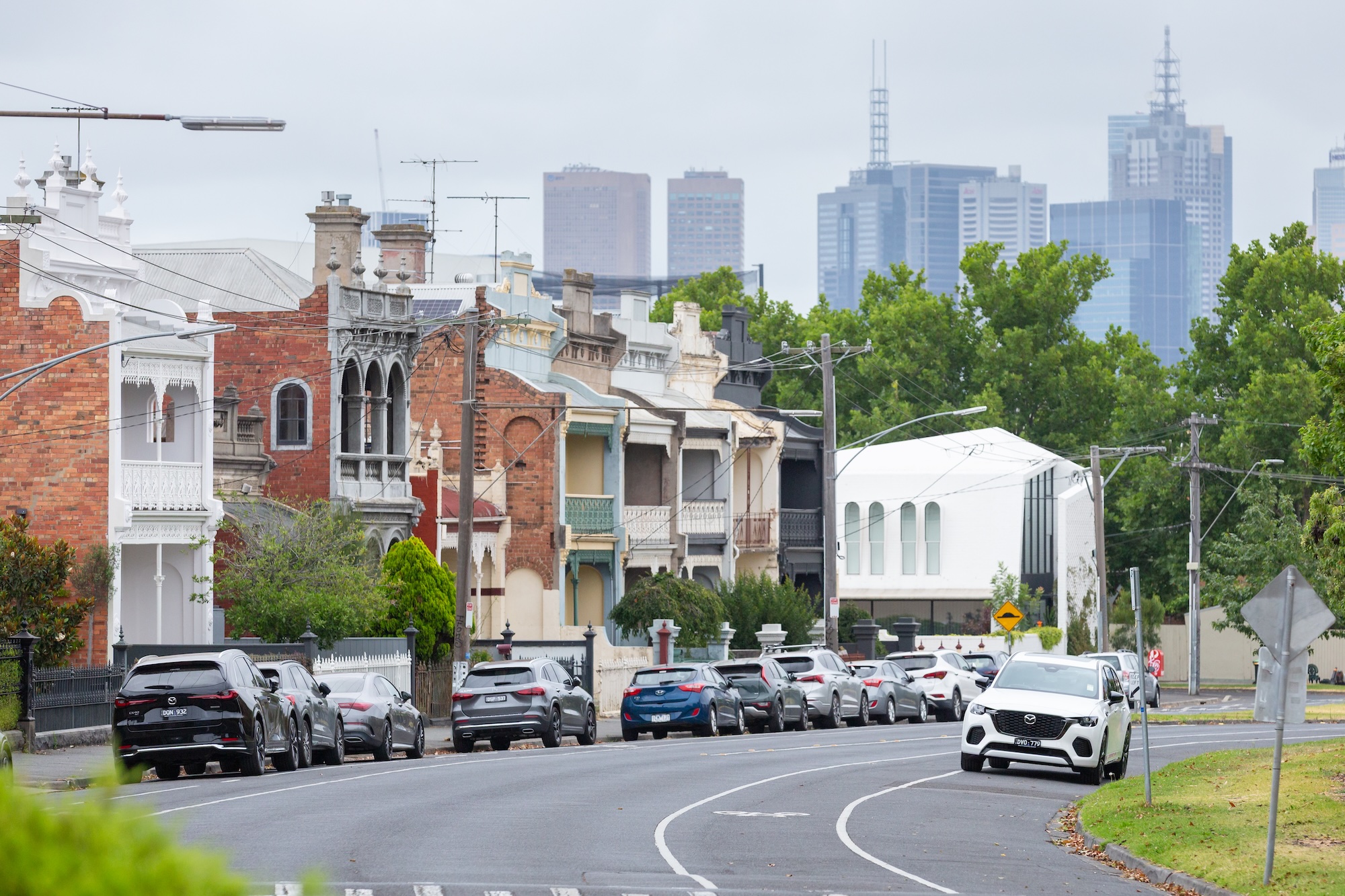
Interest rate hikes are expected to be felt more acutely in the residential sector than the commercial sector. Picture: Getty
As recently as November, pundits were tipping another cut in the cash rate, however, re-awakening inflation and a robust jobs market poured cold water on that.
The RBA in its statement of monetary policy (SOMP) had to upweight its inflation forecasts compared to the last SOMP in November 2025.
For example, the forecasts now see headline inflation hitting 4.2% in June 2026 compared to 3.7% with November’s set of forecasts.
There is currently no forecast timeline of inflation returning to the midpoint of the central bank’s 2-3% target band.
It’s also taken a dimmer view of labour productivity – the capacity of the workforce to grow the economy.
For example, the SOMP now forecasts 0.6% productivity growth in June 2026, down from 0.9% with the previous set of forecasts.
PropTrack senior economist Anne Flaherty said February’s RBA decision “adds a layer of uncertainty for investors”.
“With nervousness around how far rates could rise from here, this move is likely to dampen the recovery in investor demand that was seen last year,” Ms Flaherty said.
Any 25 basis point rate hike adds about $90 to $100 a month to the average residential mortgage repayment at average home loan rates, however on the commercial side, investors are typically less sensitive.
“The cash rate increase by the RBA might take a little bit of confidence out of the market in the short term, but it’s not a game changer,” said Mathew Tiller, LJ Hooker’s head of research.
“We had three cuts last year, so one small rise is more about a shift in sentiment than a full reset in fundamentals.
“The impact will be most felt at the smaller end of the market where private investors and SMSF buyers compete and where deals are more sensitive to bank lending and serviceability. That’s where decision time slows and buyers re-evaluate budgets.”
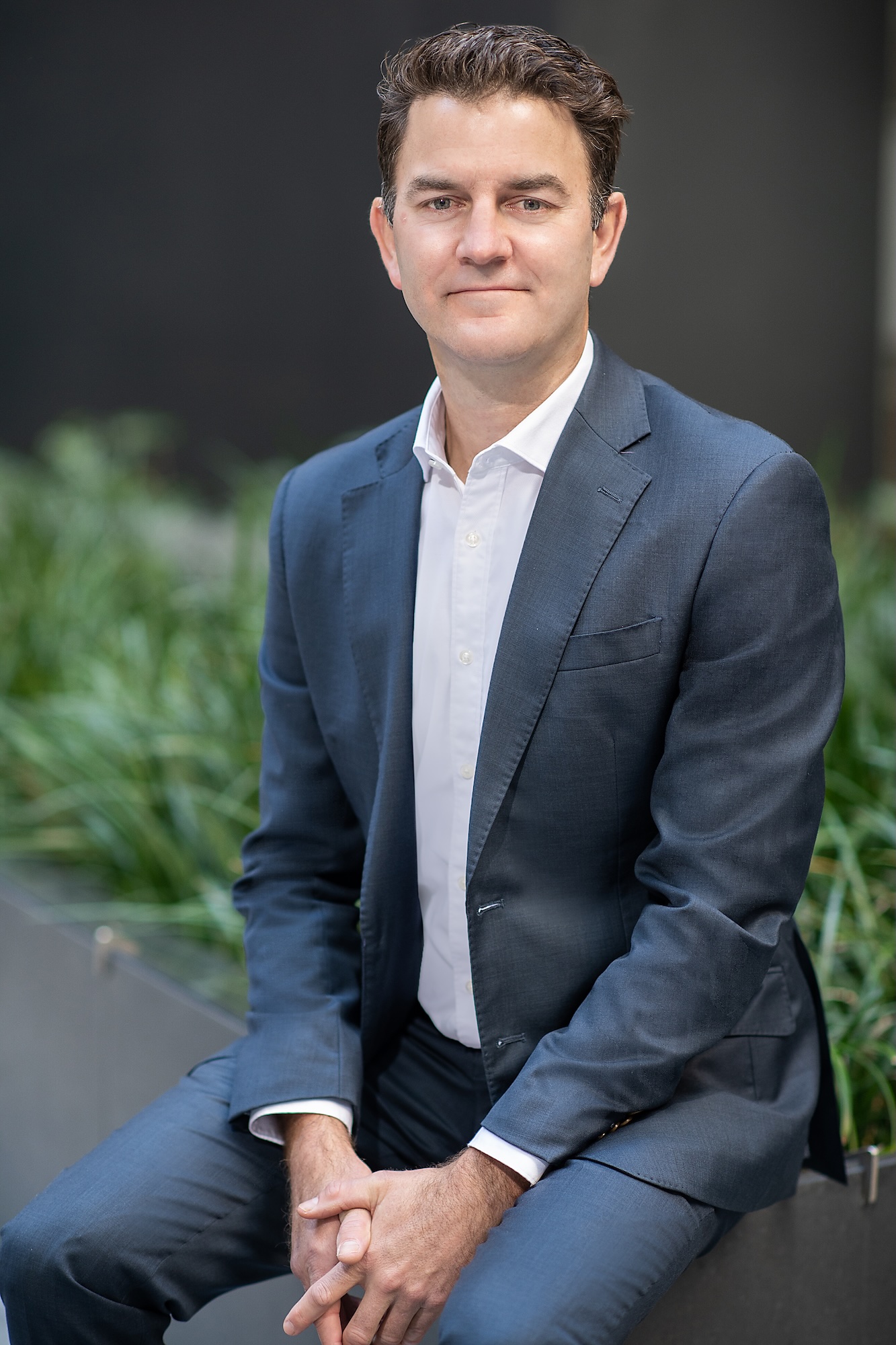
Mathew Tiller, LJ Hooker head of research. Picture: Supplied
Commercial property investment through self-managed super fund loans has grown considerably, exceeding $113 billion in the September 2025 quarter (the latest available data), up from around $75 billion in March 2020 when the ATO’s series began.
Limited-recourse borrowing arrangements (LRBA) – i.e. SMSF loans – have grown considerably as well, at over $75 billion in the September quarter, up from $55 billion in March 2020.
SMSF loan interest rates for commercial property typically sit 1 to 2 percentage points higher than the most competitive residential home loan rates, owing to their limited recourse and increased risk for the lender.
Mr Tiller said other factors are ultimately bigger drivers of investments than one interest rate rise.
“At the prime end, it’s usually business as usual, quality assets with strong tenants and longer leases still attract interest,” he said. “Overall, activity does not stop, it just becomes a little more selective and price conscious.”
Yields in the spotlight
“On tenant demand, one small hike is unlikely to change leasing fundamentals overnight – most occupiers still make decisions based on their business needs,” Mr Tiller said.
“It can make some tenants a bit more cautious on expansion plans and incentives get watched more closely, but where supply is tight and the local economy is still growing, demand generally holds up.”
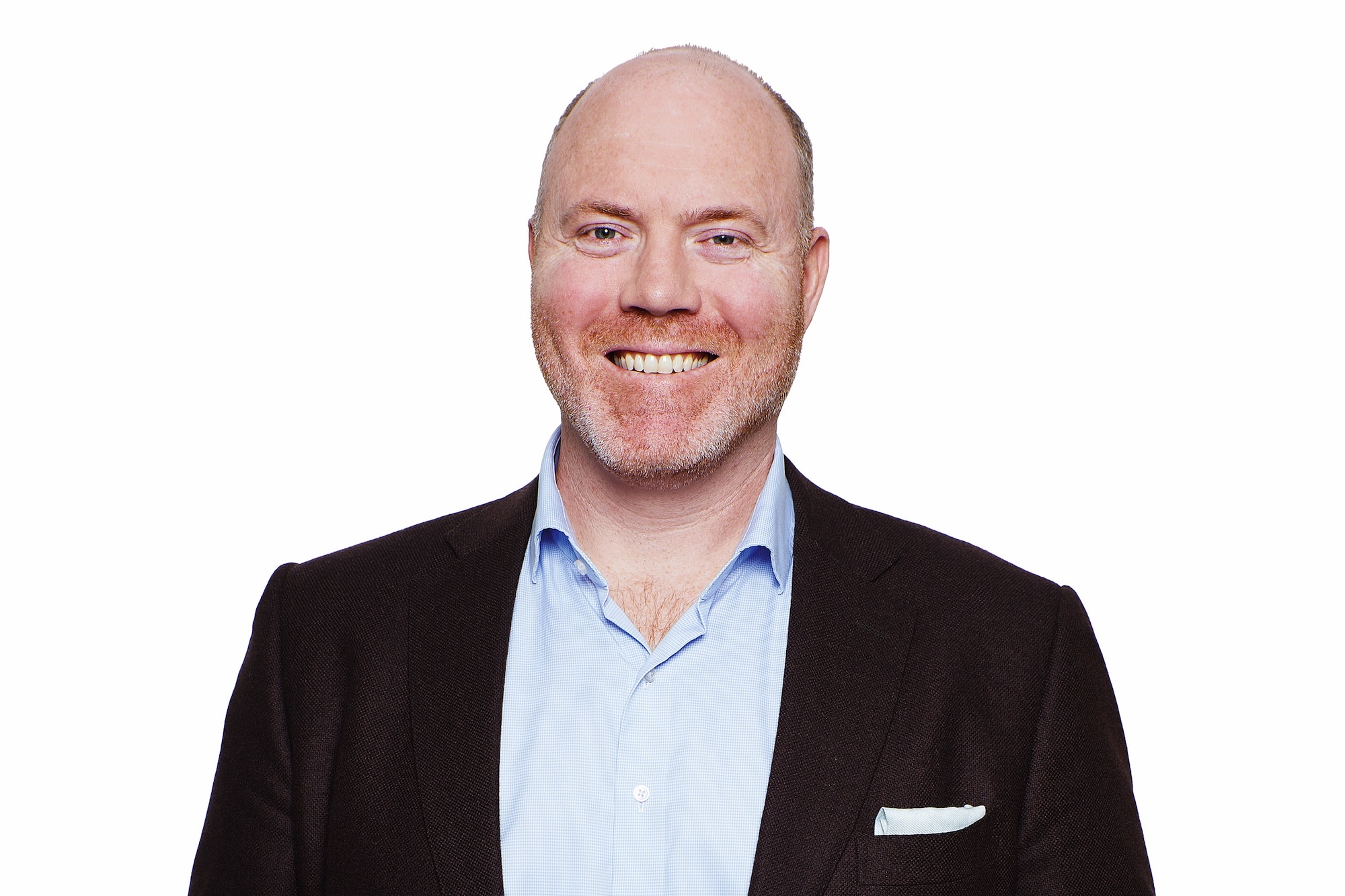
Knight Frank chief economist Ben Burston. Picture: Supplied
This was echoed by Knight Frank’s chief economist Ben Burston, who said yields will now take the front seat.
“The increase in rates will act to slow down nascent signs of yield compression, but the outlook for property returns remains on a solid footing given limited supply pipelines across multiple sectors, including office, industrial and living sectors,” Mr Burston said.
“This will act to drive rental growth over the medium term, and we are already seeing evidence of this in the office market where strong growth is now being recorded in Sydney, Brisbane and Adelaide with other cities set to follow.”
Experts have identified three asset classes set to boom in 2026 owing to strong fundamentals: Childcare, hotels, and shopping centres.
This is underpinned by strong population growth and improving household finances.
They said a stronger Aussie Dollar and a more hawkish interest rate outlook for now signifies a robust economy, which is taken as a positive for commercial property investment.
Stronger household finances were also taken into consideration with the updated SOMP forecasts from the RBA.
It now sees the household savings rate hitting 5.9% in June 2026, up from 4.3% in November’s set of forecasts.