Office occupancy the worst in three decades thanks to new towers pushing skyward

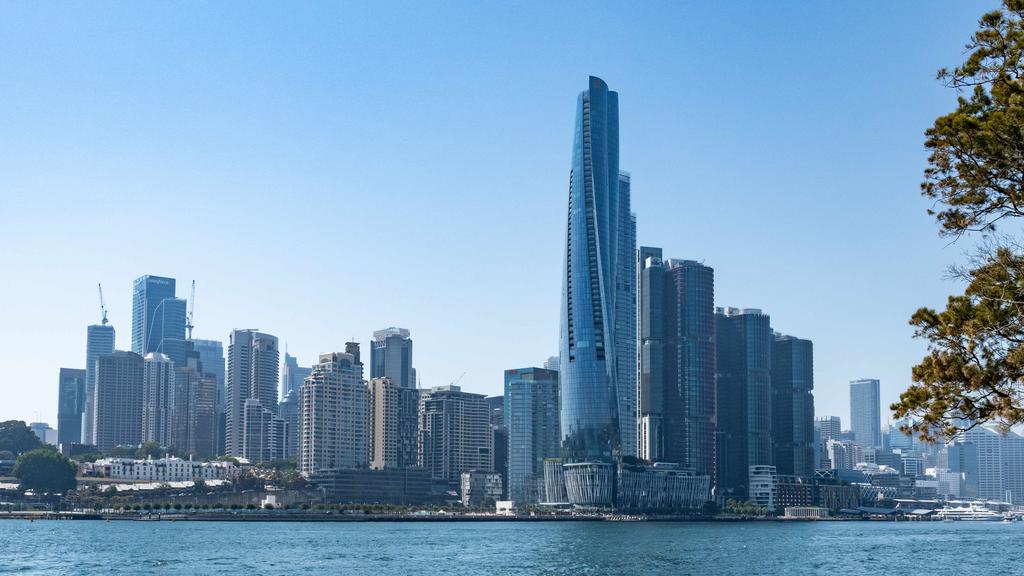
New towers such as those going up in Sydney’s CBD have contributed to a rise in the nation’s office vacancy rate. Picture Monique Harmer
Australia’s office vacancy rate has hit its highest level since early 1996.
The rate’s increase from 15.2 per cent to 15.9 per cent over the six months to January has been driven largely by a jump in supply as long-planned tower construction, which began in better times, was completed.
Cities with entrenched work-from-home policies, most notably Melbourne where the vacancy rate rose from 17.9 per cent to 19 per cent, have been hardest hit.
Sydney’s rate grew from 13.7 per cent to 13.8 per cent and Brisbane from 10.7 to 11.8 per cent. Adelaide was marginally higher – up from 15 to 15.5 per cent – while Perth actually fell from 17 to 16.9 per cent.
Apart from an oversupply, the office market is dealing with tenants that want to shift to higher-quality newer buildings in order to encourage staff back into the office, which impacts the demand for older buildings. This “flight to quality” is helping prime office space at a time when secondary assets are doing it tough.
The Property Council of Australia’s latest Office Market Report for the six months to January showed vacancy rose in both CBD and non-CBD markets. Non-CBD vacancy rose more sharply – 17.3 per cent to 18.5 per cent – than CBD vacancy, which was up from 14.3 per cent to 14.8 per cent.
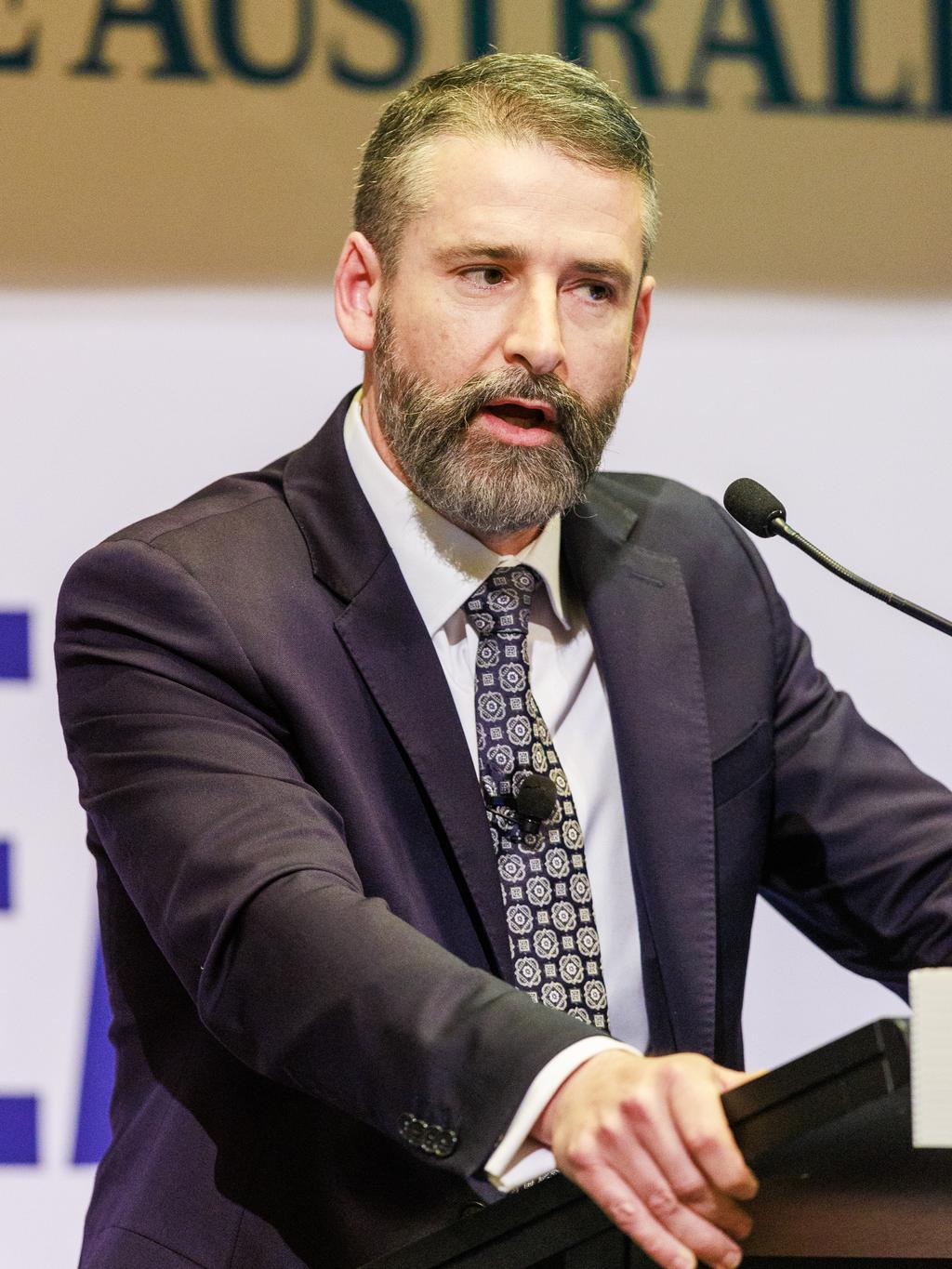
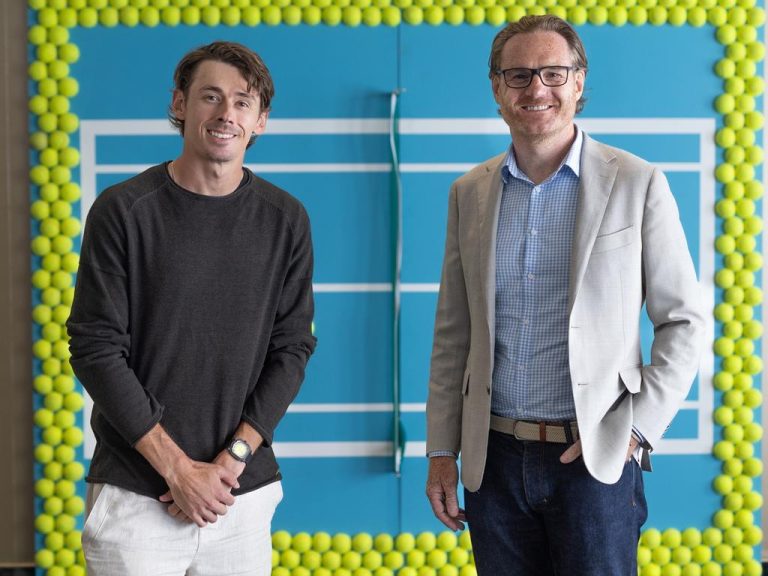
Property Council of Australia chief executive Mike Zorbas. Picture: Aaron Francis
However, the current market differs from the recession-hit 1990s as many of today’s problems arise from the supply cycle and tenants seeking better buildings.
Demand for prime space is holding up, whereas secondary stock is experiencing high vacancy. Notably, vacancy levels have not been so high outside of CBDs since early 1993. Many of these buildings are privately owned rather than in the hands of larger institutions.
Property Council chief executive Mike Zorbas did not believe the current situation was grim.
“Over the next five years a lack of new supply is set to underpin a recovery in office,” he said. “What we’re seeing nationally is a supply-led increase in vacancy from projects that started three years ago and are largely pre-committed.”
He said the market was now in the fourth consecutive six-month period of positive demand based on the recovery of interest in prime office space. But new supply accounted for 1.2 and 1.6 percentage points respectively of the vacancy increase in CBD and non-CBD markets over the six months to the end of January.
The PCA expects a significant fall in CBD markets’ supply between now and 2028 as the market settles. But in Sydney, big towers are to come online above and around the Hunter Street Metro Station and potentially at the O’Connell precinct.
Colliers managing director of office leasing Australia Cameron Williams said the headline CBD vacancy rate had edged higher but pointed to the fact that new development supply, which was beginning to ease, was the primary driver of vacancy increases in the second half of 2025.
CBRE head of investor leasing Pacific Tim Courtnall said sublease vacancy and strong transaction volumes were leading to lowering vacancy rates in all key markets.
“Whilst markets such as Melbourne and Canberra continue to face headwinds, Sydney, Perth, Adelaide and Brisbane all have turned the corner,” Mr Courtnall said.
“These markets are experiencing strong local economies and strong demand from financial, professional and government sectors.”