New push to revive Footscray’s notorious abandoned Forges site

Footscray’s old Forges site has long been regarded as one of Melbourne’s most notorious voids, and after 16 years of neglect, a state tax sting and a push for pop‑up parks could finally jolt the ruins back to life.
Remember when Friday nights meant tram bells clanging down Nicholson Street, when families jostled shoulder to shoulder, rifling through bargain bins and promising “See you down the street” long after factory sirens faded into the evening?
Grandmothers marched kids across the Albert Street walkway between the two Forges buildings, and the west’s weekly pilgrimage made Footscray feel like the centre of the world. That civic temple now sits boarded‑up and heavily tagged – not the good kind – just 100 metres from Coles and Kmart, where locals hurry past an eerie underpass rather than linger.
MORE NEWS
historic Dimmeys building listed with $30m+ hopes
How a fatal deal with Amazon doomed Toys ‘R’ Us
McDonald’s forced into surprise retreat
The 9000‑square‑metre block that survived a blaze around the end of the Second World War has decayed into a magnet for anti-social behaviour, with men using drugs and drinking wine, rough sleepers cutting through fencing, and at least three violent incidents nearby last year, two of them fatal.
Council even trialled private security.
So how did a place that helped forge Footscray’s identity become its most infamous dead zone?
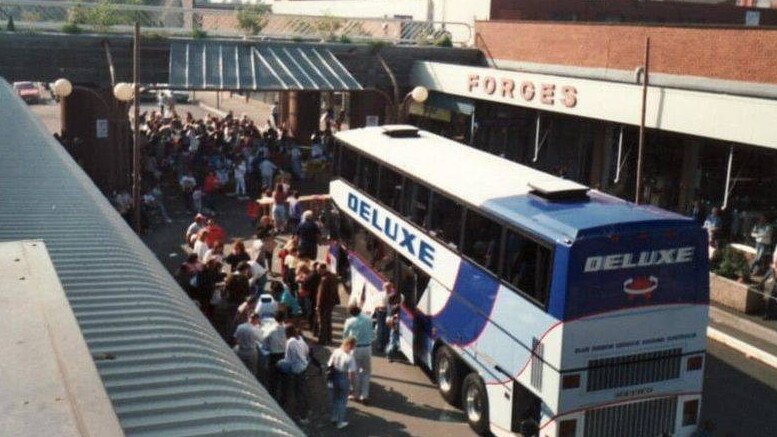
Forges was once the bustling centre of Footscray as this photo from 1988 shows. Source: Tony Beyer/Facebook
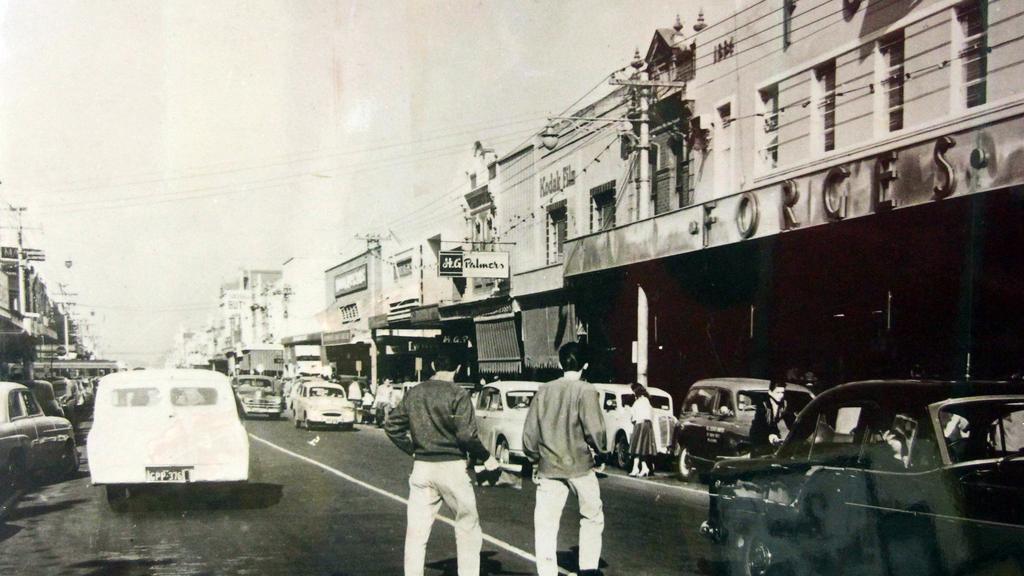
Forges before the Nicolson St Mall. Date unknown.
From civic temple to boarded‑up void
The story begins in 1898 and stretches through decades of loyal patronage, a roaring 1920s when working families rattled along on trams to wooden seats and paper tickets, and a post‑war boom that filled cinemas every week.
Forges was acquired by Dimmeys in 1978, traded into the new millennium, and was sold in 2009 for about $16 million to Banco Group.
Mixed‑use promises – 235 apartments, a supermarket, medical suites and cinemas – never materialised, and a site once defined by cheap thrills and community bustle settled into a grim limbo.
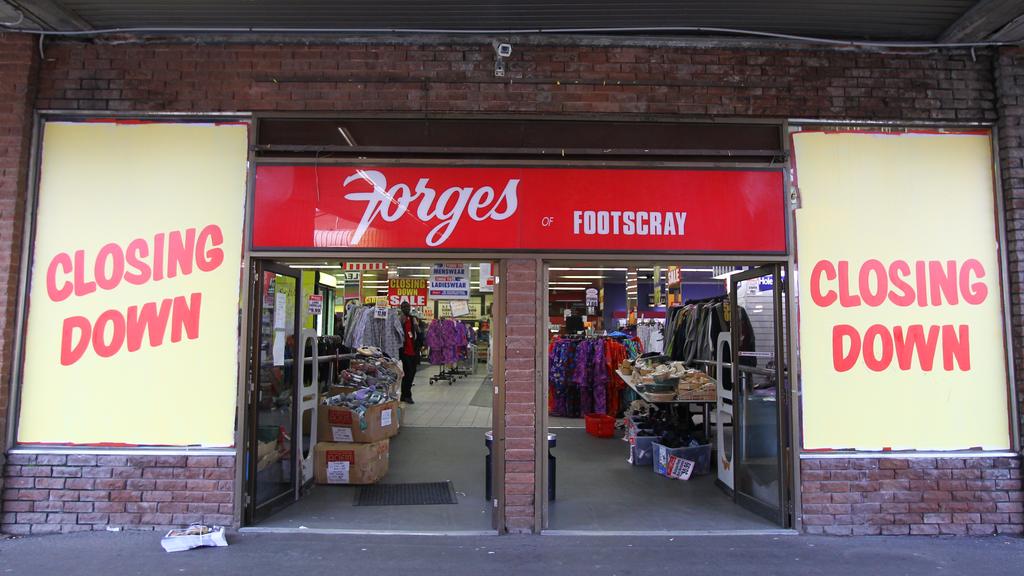
A historic image of Forges closing down after more than 100 years of trading in Footscray
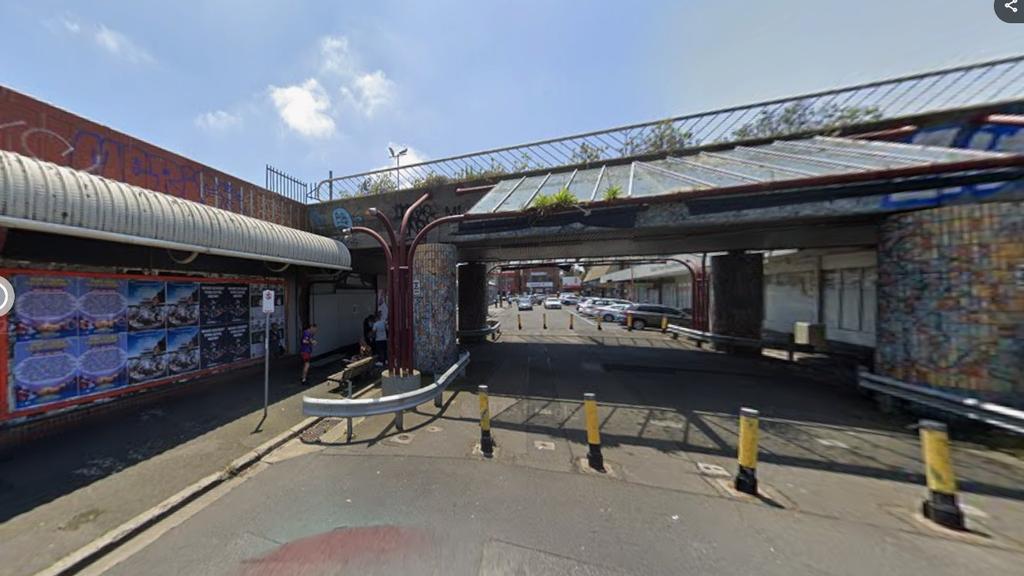
Today, few people walk down Albert Street where Forges once thrived. Source: Google
But Footscray’s broader story hasn’t dimmed.
Just 7km west of Melbourne, the suburb remains a thriving multicultural hub of Vietnamese, Chinese, Indian, West and East African shops, celebrated restaurants, coffee and bars, and a community that has always welcomed newcomers.
A decade ago, Brooklyn and Berlin turned similar voids into pop‑up galleries, maker spaces and pocket parks, testing new businesses at low cost and returning amenity to locals.
Here, several central blocks have been left to rot – Little Saigon Market, Paint Spot, Kinnear’s, the Bus Depot – but it’s Forges, metres from the groceries, that cuts deepest.
Local MP Katie Hall still remembers being dragged there as a kid, when everyone’s
grandmother had a standing date with a bargain, and now she’s pushing for accountability.
“Developers have a responsibility that their sites are clean and safe as a bare minimum. I want to see the Forges site developed or activated,” she told Yahoo News.
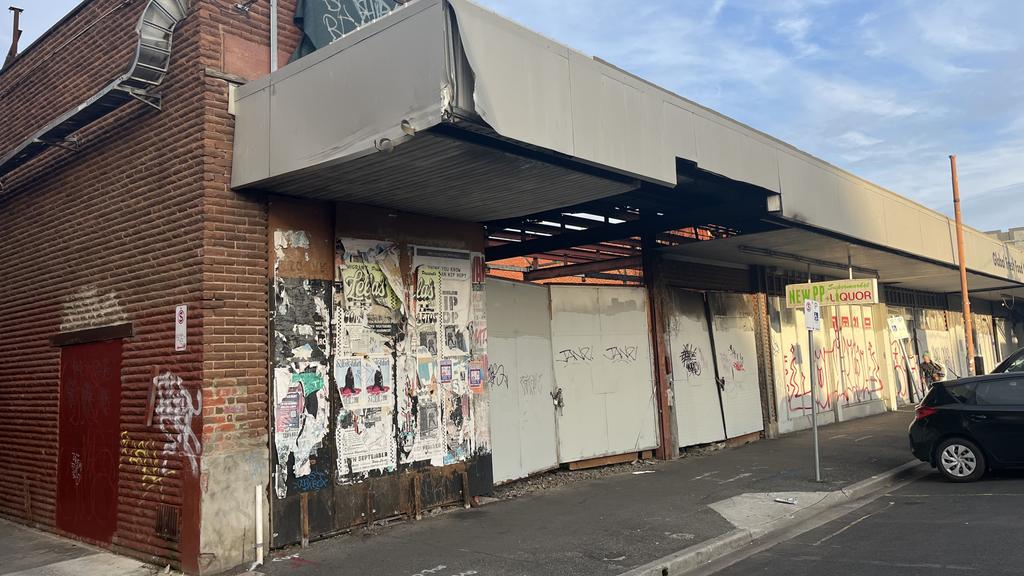
The landholders of once popular sites in Footscray, Little Saigon and Forges have been slammed by local MP Katie Hall for the “disgraceful” state. Picture: Nilsson Jones
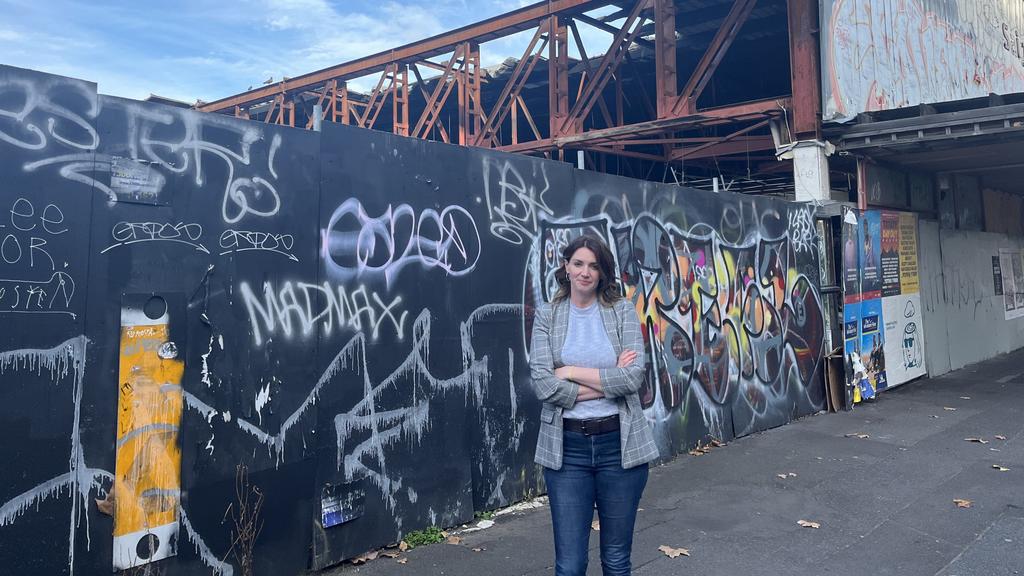
The site has been heavily graffitied. Picture: Nilsson Jones
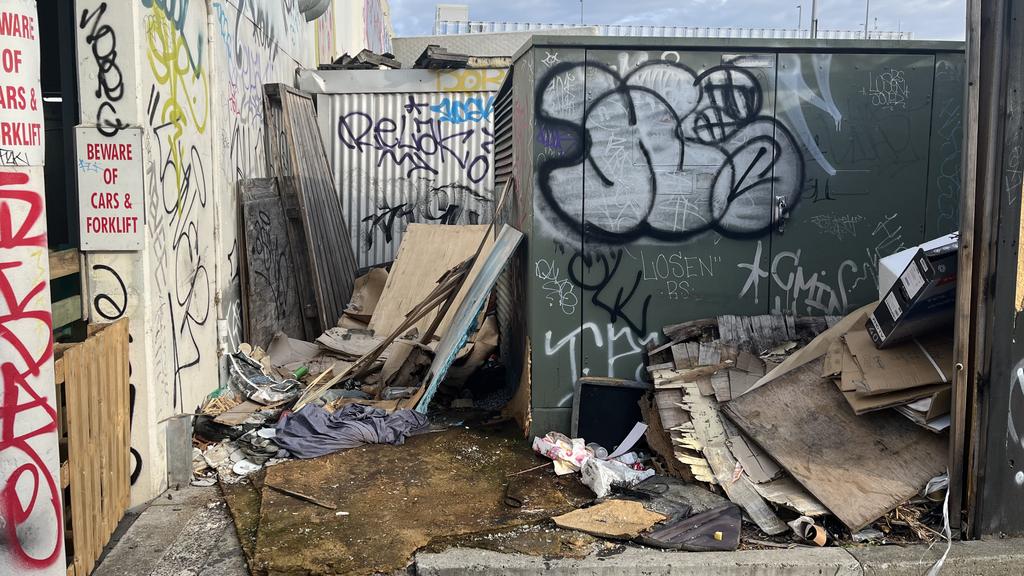
Pictures taken in 2023 also show plenty of illegal dumping at the site. Picture: Nilsson Jones
New Mayor Mohamed Semra agrees, telling the same news outlet: “It’s important that we continuously engage with our developers and ensure that they are keeping their site safe.” Former mayor Pradeep Tiwari says he tried “to get this site activated”, arguing landlords “have a lot to answer for in the demise of Footscray.”
Deputy mayor Samantha Meredith has gone further, pleading for a “use it or lose it” rule for planning approvals because councils can request action but they cannot compel it.
Park now, paperwork later
One idea has momentum: turn Forges into a temporary park while the paperwork and finance catch up.
It worked on nearby Buckley Street – an eyesore became two trees, a lawn and a snaking path after a simple deal with the owner.
Multiply that across long‑vacant blocks and the city could reclaim its amenity, fast.
The hurdle? Owners can fight conditions in VCAT, and deep pockets can stall for years.
Enter the state’s new tax sting on vacant residential land, introduced in January.
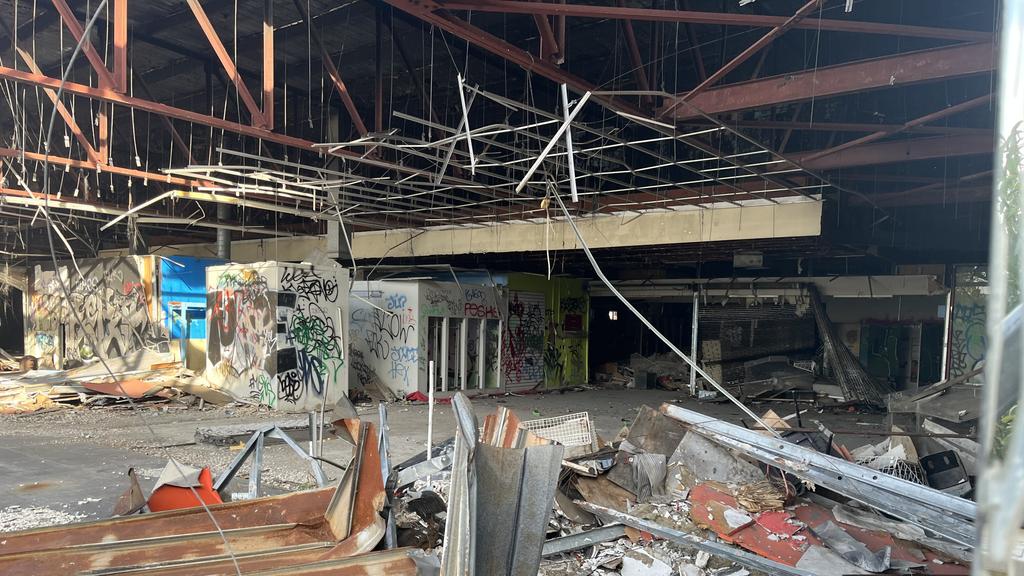
It’s hard to imagine that people once shopped here. Picture: Nilsson Jones
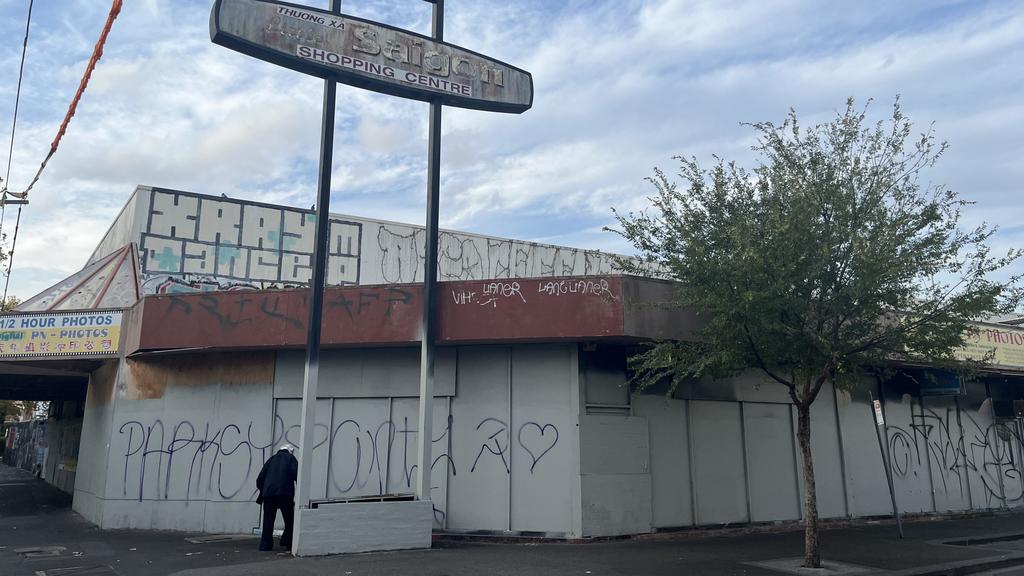
Locals hope the sire will once thrive again. Picture: Nilsson Jones
The change aims to make it financially painful to sit on developable land indefinitely.
Some developers will be wealthy enough to absorb the hit, but others won’t, and the calculus shifts when idle ground starts costing real money every year. Pair that stick with interim parks, tighter approval time frames and consistent enforcement and Footscray’s most storied corner could finally find momentum.
Historic Dimmeys building listed with $30m+ hopes
Nostalgia has already proved bankable across town.
The former Dimmeys and Forges landmark on Swan Street – famous for its clock tower and those “be there” ads from AFL great Robert “Dipper” DiPierdomenico – has been reborn with a Coles and a 10‑storey apartment complex and is now on the market.
Sales documents show an extraordinary lease that runs to at least 2035 and potentially to 2055, with industry chatter that the property could fetch north of $30 million at a 5 per cent yield on its $1.485 million annual return.
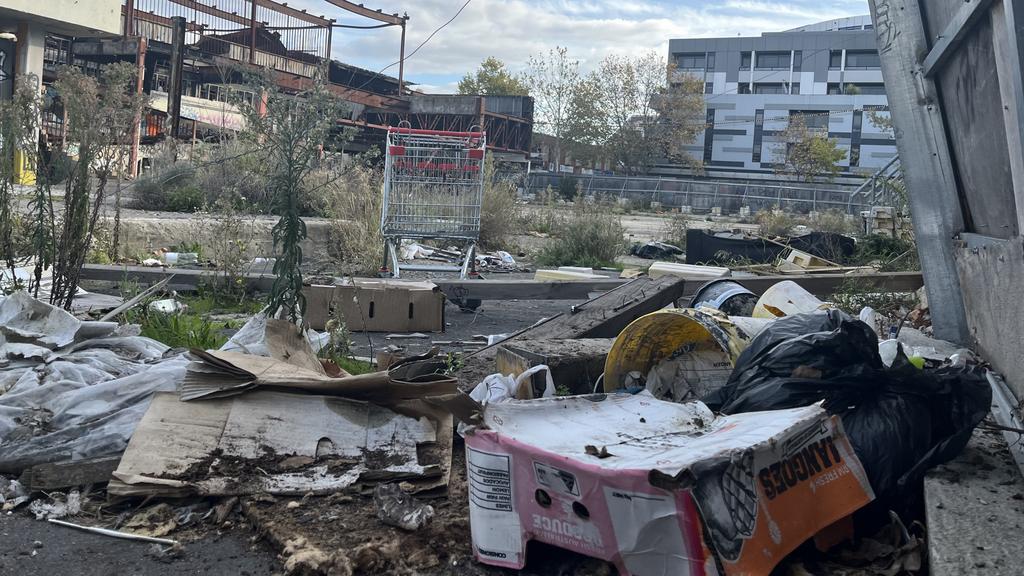
The site has been left to decay for 16 years. Picture: Nilsson Jones
Agents say high‑net‑worth buyers are drawn to secure leases in A‑grade locations, and that nostalgia can make bidding more aggressive.
If memory can lift a clock tower’s fortunes, perhaps it can do the same for a boarded‑up block on Nicholson Street.
Will memory force a revival
Footscray was once dubbed the Cinderella Suburb, full of promise and readying for its best days. In its energetic prime, around 300 shops made it Melbourne’s third largest retail precinct and the most profitable, thanks to loyal patronage that saw nearly half the district visit its cinemas each week.
Forge’s promotional sales could spark a near riot, police ordering a temporary closure as crowds surged for bargains.
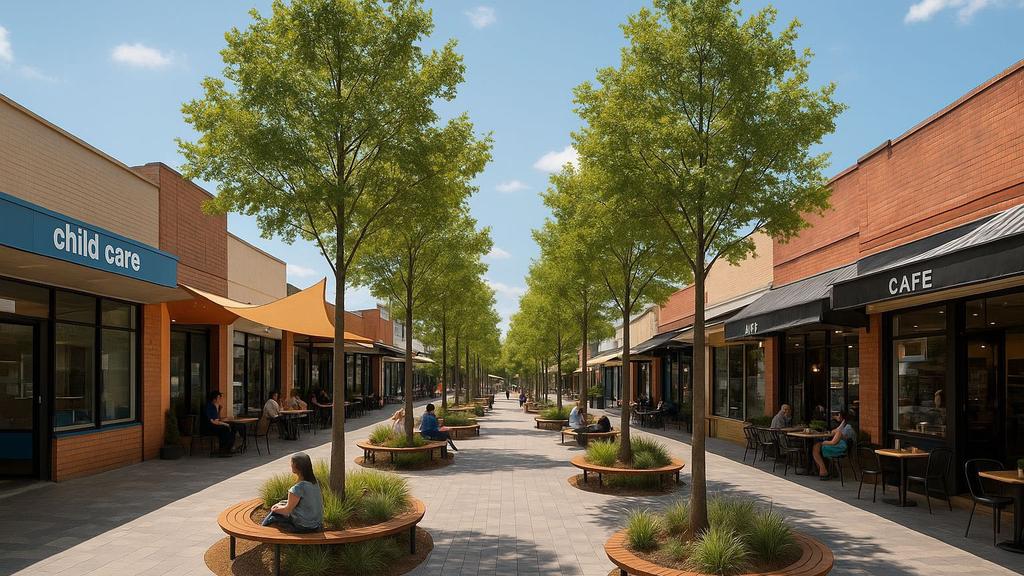
A concept image of what the revived site cold look like … one day.
Then the sixties arrived, television quietened picture houses, family‑run stores yielded to chains, and parking metres crept into Nicholson Street.
Father Time did what fires could not.
The question now isn’t whether Footscray remembers Forges.
It’s whether a community that grew up under its awnings will accept plywood and padlocks as the final chapter, or insist on a comeback that puts kids back on the tram, families back on the street, and pride back where it belongs.