Going Dutch: Meet the Aussie entrepreneurs finding success in Amsterdam
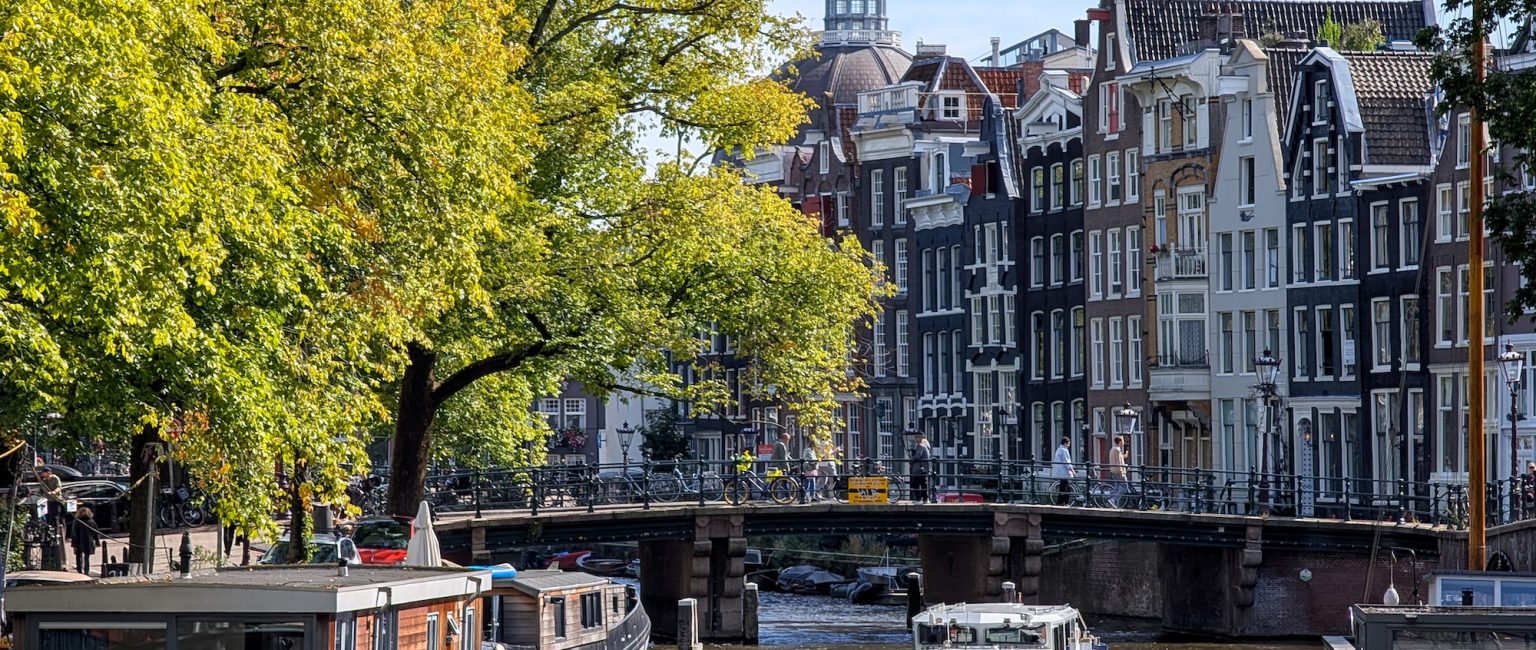
While the Dutch capital is world-renowned for its historic canals, gabled houses and cycling culture, it has recently emerged as a hub for a new wave of Australian entrepreneurs.
From pioneering the specialty coffee movement to leading high-fashion floral design, these trailblazers are leveraging Amsterdam’s international energy to build global brands. Here, we explore the journeys of four Aussies who have successfully navigated the language, finance and legal complexities of the Netherlands to find their place in one of Europe’s most competitive markets.
Cutting teeth on tulips
Starting out as a florist in the lush surrounds of Byron Bay since the age of 18, Ariella Hill headed to the flower capital of the world with a simple plan: work for others and learn the trade. But she soon found the local style lacked the creative edge she craved.
“When I arrived, the overall style of floristry was a bit more outdated — mainly a lot of the same ‘field bouquets’ which wasn’t the style I was interested in,” she said. “I was really at a stage where I wanted to make things I loved. Things that inspired me. It only made sense to me that I needed to start my own business.”
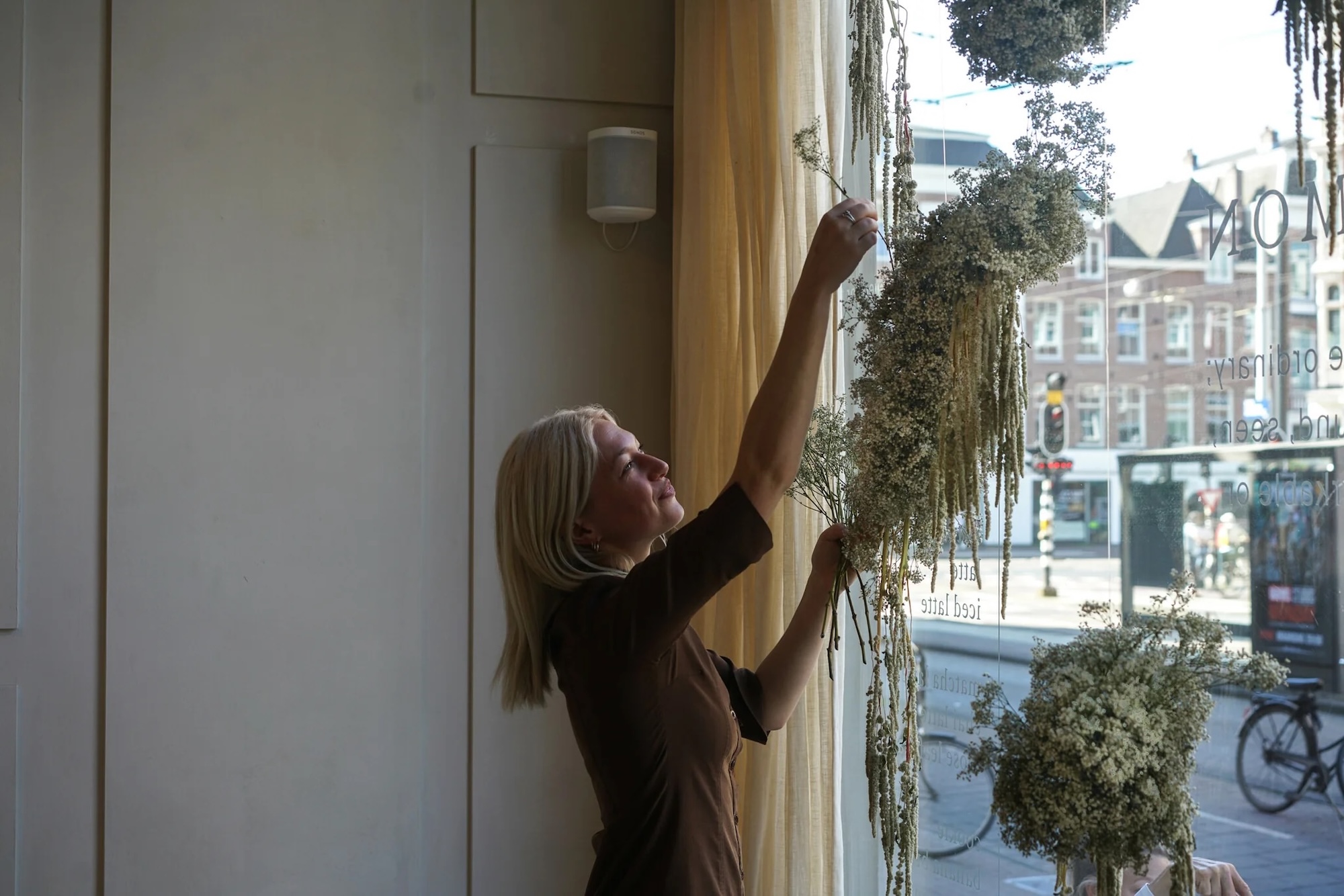
Rae Blooms in Amsterdam goes way beyond just tulips. Picture: Supplied
In 2020, Ms Hill launched Rae Blooms, a floral design studio that has since become a darling of the fashion elite.
From creating installations for the likes of Loewe, Gucci, Hermes, and Dries Van Noten to being featured in the pages of Vogue, Ms Hill’s success has been meteoric.
Her work has even seen her fly to Rio for a Lady Gaga show and to Paris for the Olympics.
Operating in a foreign tongue has provided its fair share of hurdles.
“I did find it hard when everything was in Dutch at first – all the fun tax letters – but when I get stuck, Google Translate becomes my best friend,” she said.
Despite the occasional missed connection and indifference to English, she is firmly planted in the Dutch capital.
“Amsterdam has opened me up to lots of different projects all around Europe and I definitely wouldn’t want to change that.”
A cup of Melbourne
Unlike London and New York, the Netherlands hasn’t always been an obvious ‘go-to’ for Aussie expats. But for Dutch-loving caffeine fiend Laura Grusovin, leaving her native Melbourne to relocate to Amsterdam was a long-held dream.
However, while the city boasted historic charm aplenty, there was a glaring void where her beloved flat white should have been.
“The brunch and coffee scene in Amsterdam 10 to 15 years ago was very minor, despite the Dutch drinking a lot of coffee,” Ms Grusovin said. “But the globalisation of Amsterdam brought loads of professionals from cities where brunch culture was well underway, and therefore demand grew.”
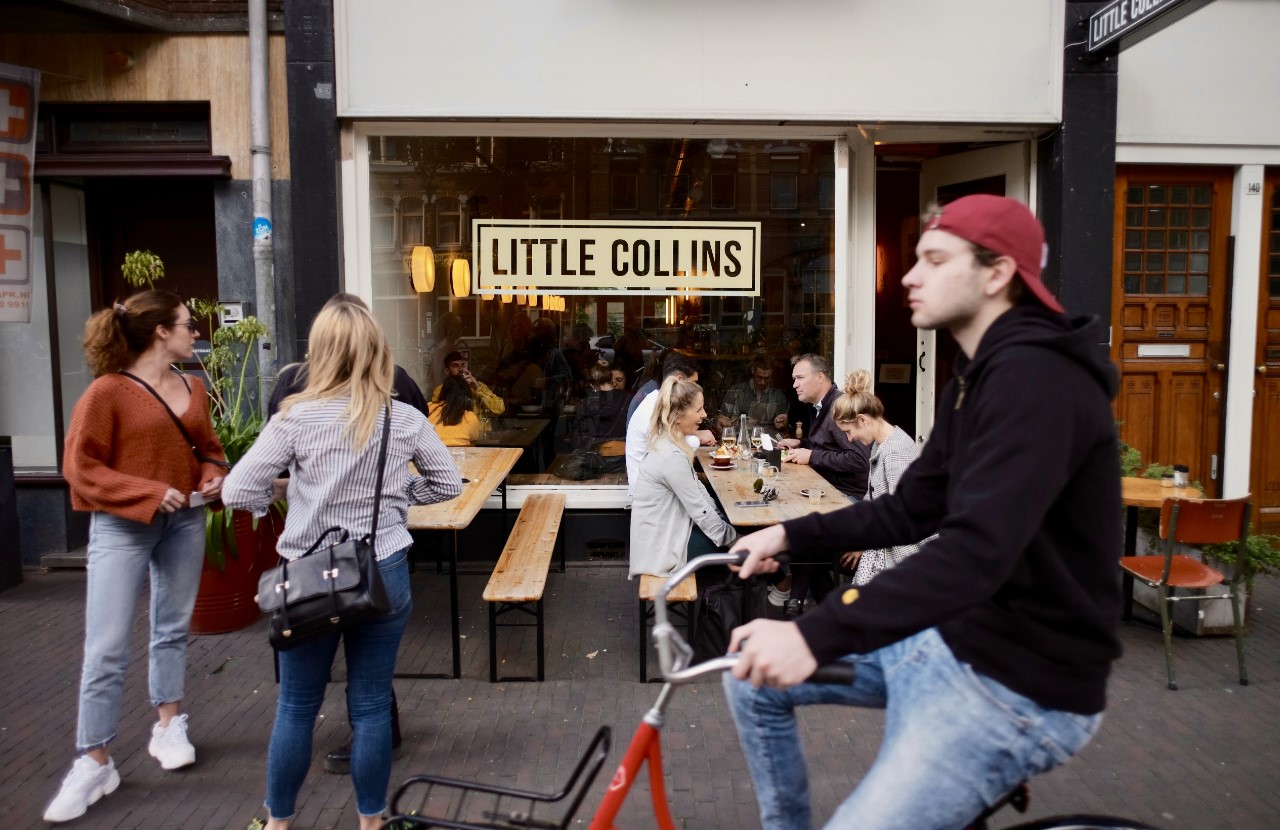
Little Collins aims to bring Melbourne’s cafe culture to Amsterdam. Picture: Supplied
Determined to fill the gap, Ms Grusovin co-founded Little Collins in the hip De Pijp area with business partners Georgina Patterson and Stan Kerkhof.
“We opened with the idea of serving great coffee, quality Australian style brunches prepared using locally sourced ingredients, and all delivered with very friendly service,” she said.
“I think the food and beverage scene in Australia is top tier – the standard is just so high that people almost know that if you’re an Australian running a place overseas, they’ll get a great experience.”
Of course, the path to success wasn’t without its speed bumps.
“The language barrier was somewhat of a challenge,” Ms Grusovin said. “Staffing can also be limiting as we attract many people on working holiday visas, which means turnover is higher than usual.”
“Amsterdam has become increasingly international and luckily one of my business partners is Dutch.”
Fast forward a decade and the 39-year-old is a powerhouse in the local scene. In 2024, the team further expanded their hospitality footprint by opening Brio, an Italian-inspired restaurant just two doors down from the original Little Collins.
Ms Grusovin and her business partners now have dreams to expand to Paris, Brussels or Seville “one day”.
From Neutral Bay to the Netherlands
For 35-year-old Alex Than Aye, the journey from Neutral Bay to the Amsterdam canals began with a three-year stint as a European tour guide.
“Those years gave me a real appreciation for how food and hospitality can connect people no matter where they’re from,” Mr Than Aye said.
In 2017, Mr Than Aye and his partners launched Box Sociaal, an Aussie-inspired neighbourhood restaurant that has since become a local institution.
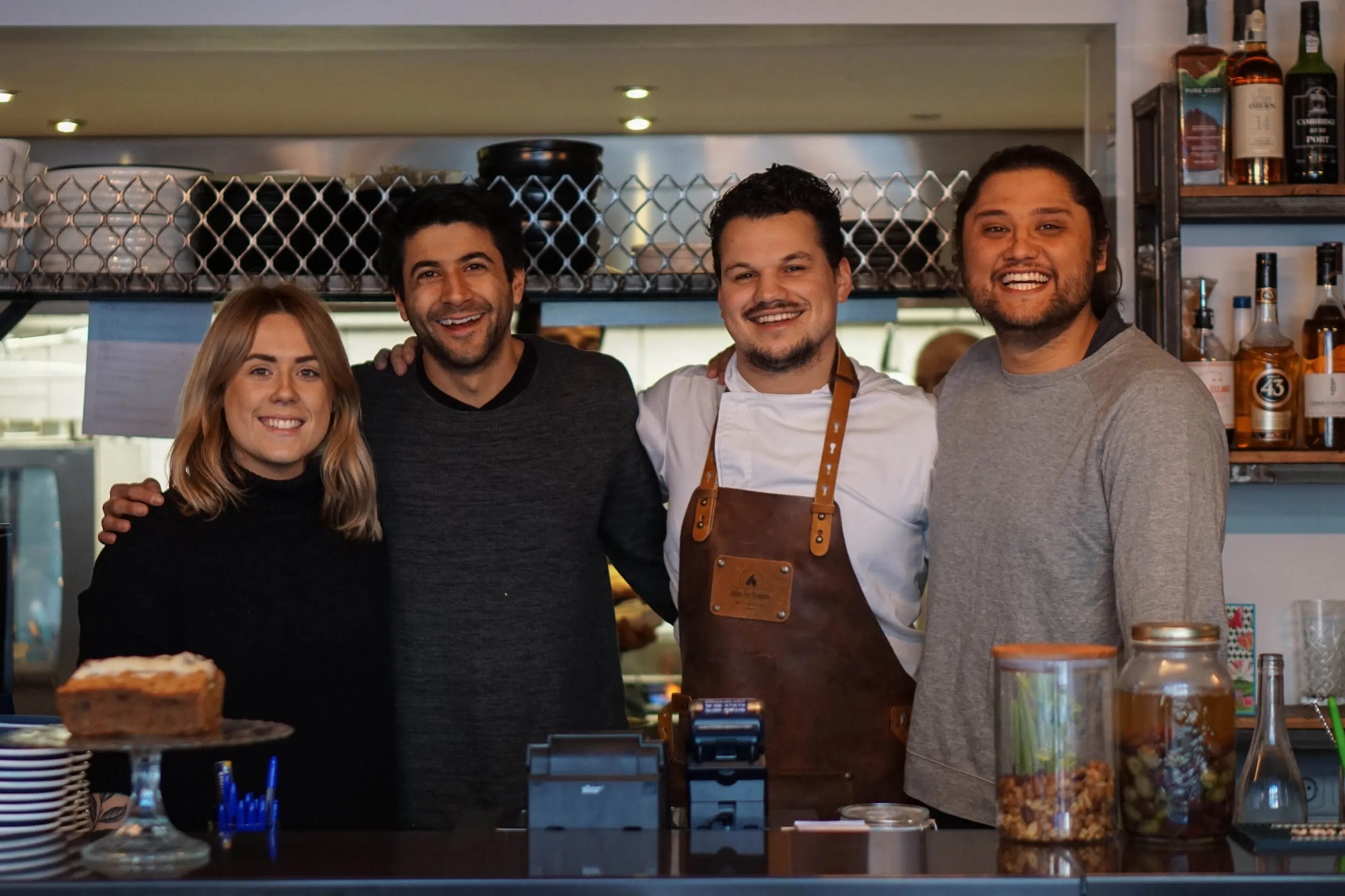
The Box Sociaal team, with founder Alex on the far right. Picture: Supplied
“At the time, Amsterdam was still a relatively free market when it came to brunch, even as demand for the Aussie-style cafe experience was booming internationally,” Mr Than Aye said.
“Amsterdam felt like the perfect city – international, creative, and open to new ideas.”
The transition from Sydney to the Netherlands required a crash course in local bureaucracy, like the other entrepreneurs featured.
“Like any non-native owner, I had to quickly learn how to navigate Dutch laws, permits, and bureaucracy, and it wasn’t always straightforward,” he said.
“Staffing was another big challenge: finding the right people and learning how to lead a team across different cultural expectations.”
Since the first cafe launched in the Plantage neighbourhood, the brand has exploded, adding Box Sociaal Jordaan to the portfolio, alongside spin-off concepts Kip It Real and Tiny Danser.
Now, they are moving into the retail space with Lekker Mate, a ready-to-eat shakshuka pack.
Financing uncommon caffeinated dreams
Claye Tobin traded a corporate life as a big bank business analyst in Melbourne for the electric hum of the Amsterdam coffee scene.
“I fell for a Dutchie named Nina while traveling through Mexico and followed her here,” the Parkdale native said. “Europe has this layered culture that just hits differently. Amsterdam felt electric from the start.
After noticing a lack of transparency in the local roastery scene, Mr Tobin launched Uncommon Coffee in 2020, opening the doors just one week before the global pandemic lockdowns.
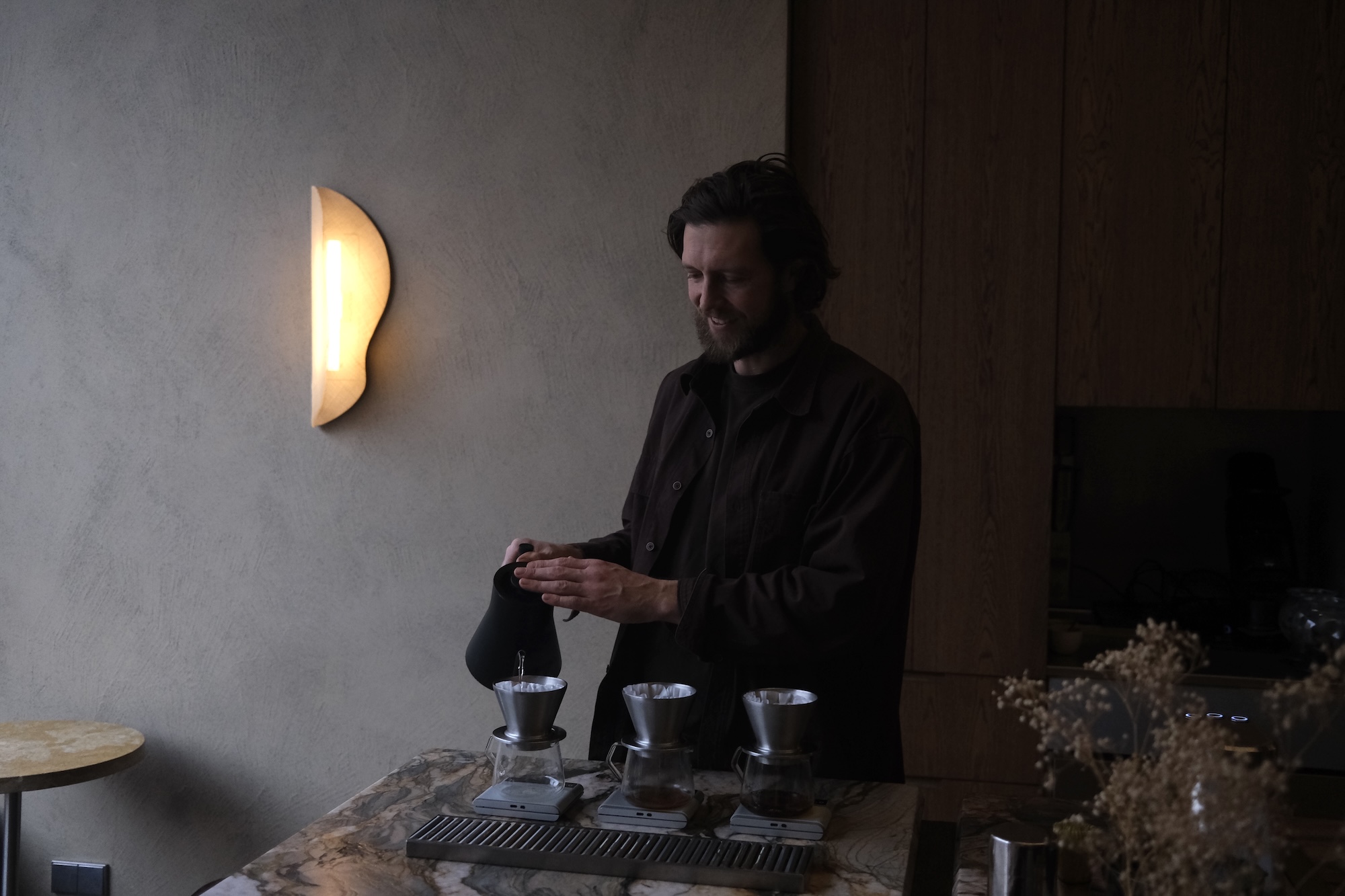
Uncommon Coffee in Amsterdam. Picture: Supplied
“Navigating the first few years without any financial support or income because we were ‘too new’ was challenging, but we stuck to our vision,” Mr Tobin said.
The struggle extended to the local banks, who were less than helpful when he decided to expand.
“The banks weren’t keen on supporting the project and even called it self-cannibalism, but both sites are now busy, healthy, and have their own distinct identities,” he said.
Today, the business includes a bakery and a dinner series focused on fermentation and foraging.
“We feel like we’ve been able to put our own stamp on hospitality in Amsterdam and carve out something that’s genuinely ours,” Mr Tobin said.
“Even now when I’m riding my bike along the canals I catch myself thinking, ‘I can’t believe this is home’.”