Face scans to become ‘commonplace’ in Australian shops

Bunnings can now legally scan your face at the door – and that green light could ignite a full-blown AI surveillance race across Australian retail.
In a landmark ruling, the Administrative Review Tribunal of Australia has overturned an earlier determination by Australia’s Privacy Commissioner, Carly Kind, effectively validating Bunnings’ use of AI-powered facial recognition to monitor customers.
It’s more than a win for one hardware giant; it sets a precedent that puts major players like Woolworths, Coles, JB Hi‑Fi and Harvey Norman on notice to accelerate their own rollouts, reshaping how shopping centres and high streets operate.
The Tribunal accepted Bunnings’ case that its 2018–2021 trial was a necessary measure to protect staff and inventory amid rising crime and abuse, acknowledging a “very real and serious problem” of violence and theft.
The Privacy Commissioner had initially found Bunnings breached privacy laws by scanning customers without explicit consent.
MORE NEWS
Costco targets 20 new stores in Aussie price push
Bunnings now sells homes from $26k
Bunnings targets Kmart with budget homewares
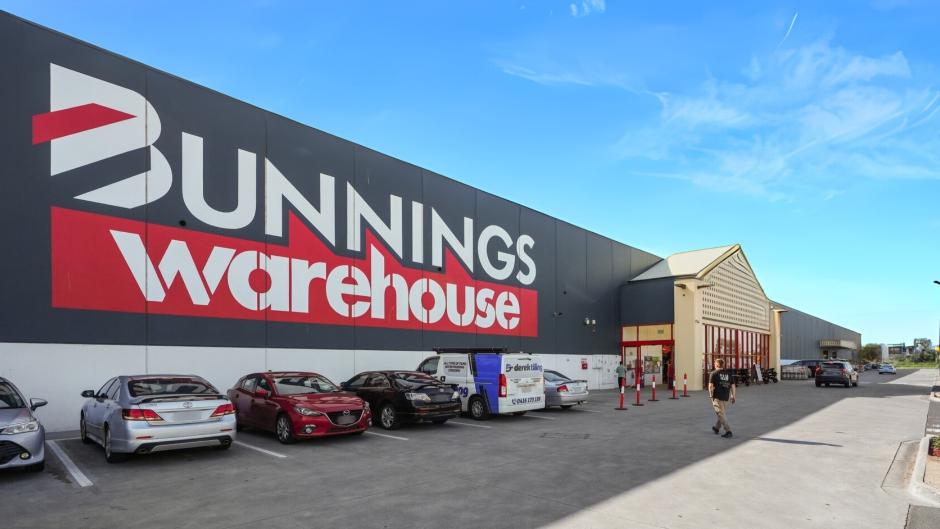
Bunnings can now legally scan customer faces after defeating privacy regulators.
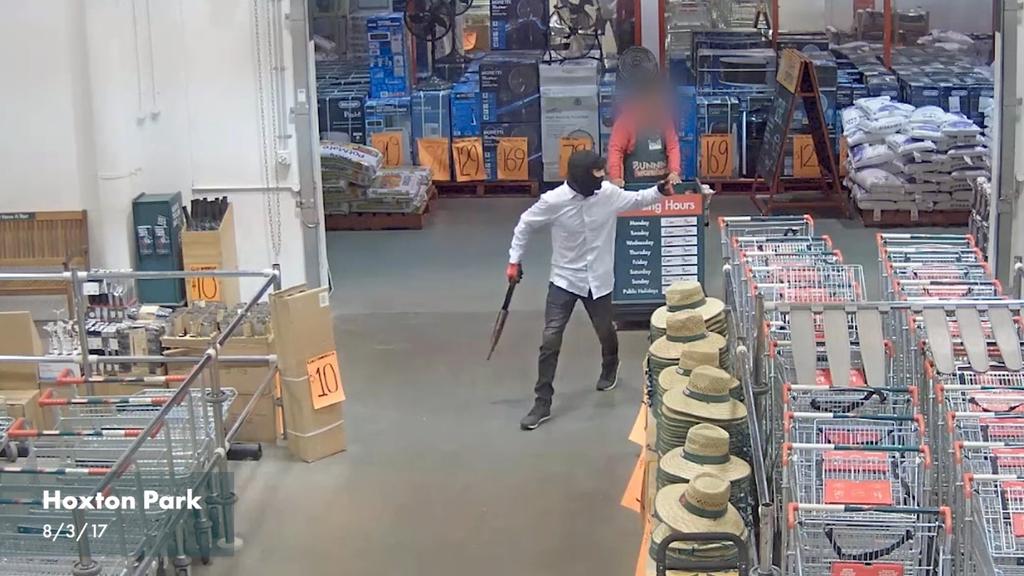
Supplied CCTV examples of assaults that have occurred at Bunnings stores, resulting in Bunnings boss Mike Schneider calling for facial recognition technology to be used to protect staff after 27,000 incidents last year that saw a 100 per cent increase in sexual assaults and a 65 per cent increase in incidents involving a weapon. Picture: Supplied.
Now, with the reversal, retailers have a clearer legal runway to deploy sophisticated systems that track customer behaviour in real time.
For commercial property owners and retail tenants, the implications are immediate.
This decision effectively normalises AI surveillance as part of store infrastructure, pushing outlets towards continuous, data‑driven observation.
Expect security strategies, building specifications and lease agreements to change – designing for camera coverage, analytics integration and operational transparency.
Over time, consistent incident reduction and higher asset protection could influence property values and investment appetite.
And retail chains are already gearing up.
“This type of technology will become commonplace,” Professor Gary Mortimer, a retail and consumer behaviour expert at Queensland University of Technology told the ABC.
“It also has broader impacts outside of just retail. I think about government workers in service positions that encounter aggressive behaviour all the time. I think about a tram, train and bus drivers that encounter abuse.”
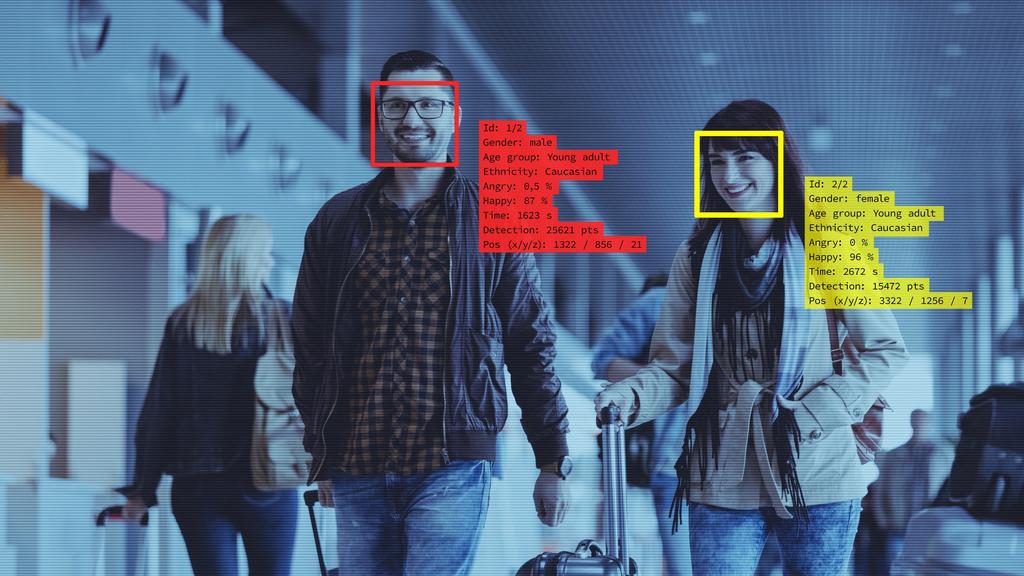
The landmark ruling will now enable other retailers to roll our similar technology.
He forecasts AI systems that flag loitering, concealment and other risk indicators automatically, cutting the need for constant human oversight and helping managers prevent incidents before they escalate.
Bunnings’ system, developed by Japanese firm Hitachi, used an “enrolment database” of individuals suspected of criminal conduct.
While privacy advocates – including consumer group CHOICE and the Office of the Australian Information Commissioner – warned about biometric data risks, the Tribunal found Bunnings’ approach minimised intrusion by quickly deleting data for non‑matches and limiting susceptibility to cyber‑attacks.
There are conditions. The ruling called out the need for clearer signage and customer information, putting onus on retailers and property managers to be upfront about surveillance without blunting its effectiveness.
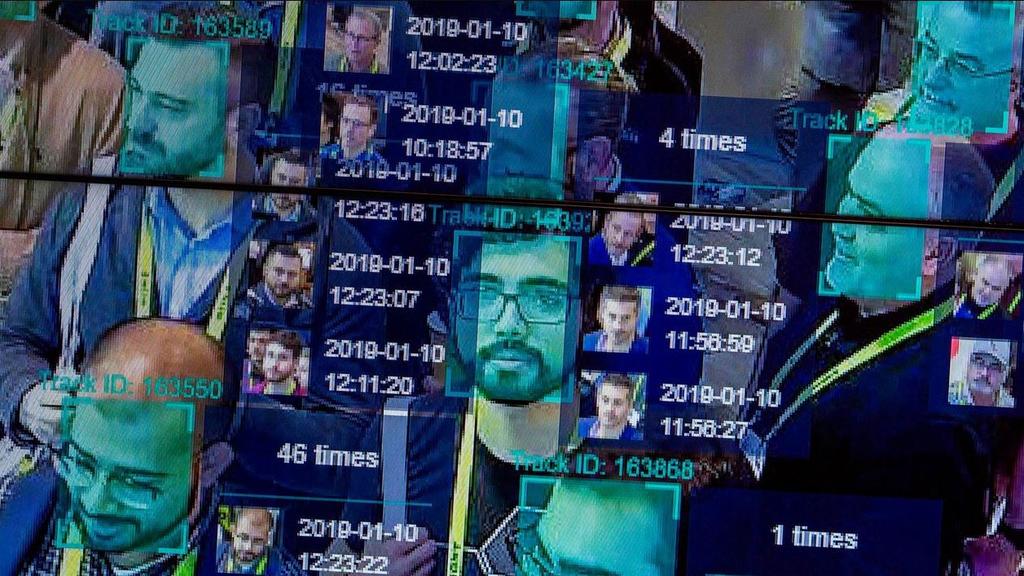
Some experts have raised concerns over what will happen to the data.
In practice, prominent, plain‑English notices at entrances will become non‑negotiable across “monitored” retail spaces.
Shopping centres – many of which have trialled similar tech – are likely to follow suit, layering AI across multi‑tenant environments to unify observation and response.
That could change floor layouts, tenancy mix, and common‑area design to optimise visibility and analytics, making surveillance a baked‑in feature of next‑gen retail developments.
The stakes are clear: AI will play a central role in tracking customer behaviour, guarding assets and cutting crime.
The challenge is balancing deployment at scale with robust privacy protections and transparent communication for the Australians walking through the door. The future of retail property is here – and it’s watching.