Shopping centres defy interest rate fears as investors chase strong returns

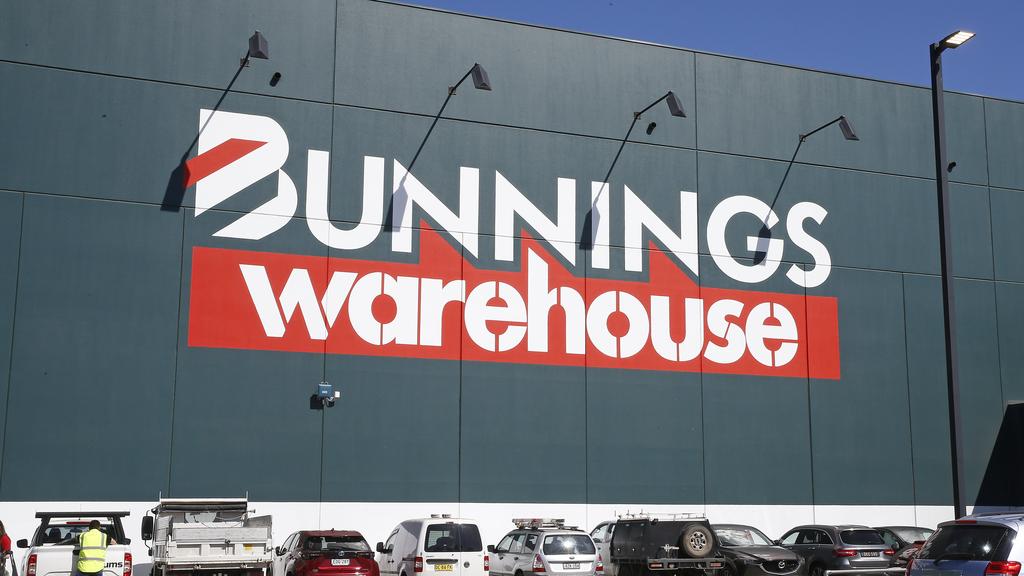
A Charter Hall-run trust has been buying up Bunnings warehouse sites. Picture: NewsWire / John Appleyard
Shopping centres are in favour with investors this reporting season, with mall owners giving an upbeat take on the economy, while other sectors find the going tough.
They have opened the season strongly despite operating in the shadow of interest-rate rises, which could have an impact on valuations, debt costs and earnings of retail landlords.
Listed companies, led by the Charter Hall Retail REIT, Region Group and HomeCo Daily Needs REIT, have called out the healthy conditions.
HMC Capital managing director, real estate, and HomeCo fund CEO, Sid Sharma said that convenience-based retail assets were well-positioned.
“For those who have followed our story for the past half a decade and convenience retail for the last couple of decades – I’ve probably been waiting 15 years to say this – but happily, HomeCo Daily Needs REIT plays in the hottest subsector in retail property in Australia and globally,” Mr Sharma said.
“Institutional capital across the sector has cottoned onto what high net worth and high-quality syndicators have always known – convenience retail offers strong cash flows and risk-adjusted returns through economic cycles,” he said.
Citi analysts Howard Penny, Suraj Nebhani and Akshit Batra said the results highlighted the relative negotiating power convenience retail landlords held over retailers.
They pointed to the limited supply of new retail real estate and growing demand for space from retailers servicing a growing Australian population and strong underlying consumer base.
They said the strong fundamentals negated the impacts of higher finance costs from the recent Reserve Bank interest-rate hike and potential for further hikes.
The Charter Hall-managed trust has been among the most active buyers in the sector.
Charter Hall Retail CEO Ben Ellis told investors that it was focused on delivering the highest property income and earnings growth from the convenience retail sector.
“We achieve this by investing in dominant convenience retail property in strategic locations focused on non-discretionary goods and services that are resilient throughout the economic cycle,” he said. He expects the portfolio’s high retention rate and strong specialty leasing spreads to continue due to demand from non-discretionary tenants.
“The supply of new retail property in Australia is currently around 50 per cent lower than levels seen a decade ago. As population growth continues, tenant and investor demand for convenience-based retail property is rising against a backdrop of limited new supply,” he said.
Mr Ellis said the company had exchanged contracts to acquire a portfolio of three high-performing convenience shopping centre assets in Queensland and NSW for $251m at an average yield of 6.7 per cent. The complexes, in Airlie Beach, Gympie and Armidale were sold by Vicinity Centres, which declined to comment.
They are anchored by strong trading supermarkets and are dominant in their catchments.
The off-market trade was brokered by CBRE’s Simon Rooney, who also declined to comment.
The trust also acquired four Bunnings assets for $151m, including assets in Toowoomba, Cairns and Airlie Beach in Queensland, and Bunnings Goulburn in NSW.
Some were part of a $290m portfolio that Wesfarmers sold last year to Charter Hall, with the others going into the group’s convenience-focused fund and an industrial vehicle.
The portfolio deal was brokered by CBRE’s Mr Rooney and his capital markets advisory colleagues Stuart McCann and Paul Ryan. The sales made up a key part of an overall Bunnings portfolio that included six assets in total.
In a busy half, the listed retail trust also sold off $154m of assets, with 85 per cent of the Gordon Centre in Sydney sold to another Charter Hall-run fund and Mareeba Square in regional Queensland was sold to a private group.