4 things Aussie warehouse investors need to know in 2026
After years of surging rents, record-low vacancy and rapid development, Australia’s industrial and logistics market is entering 2026 on more steady ground.
With interest rates on hold and construction pipelines slowing, investors and tenants alike are reassessing where risks and opportunities sit.
Market experts who spoke to realcommercial.com.au expect the next phase to be defined less by momentum and more by fundamentals, including asset quality, location and tenant demand.
From a widening gap between new and old stock to selective opportunities in outer suburbs, here are four factors shaping the outlook for Aussie warehouses in 2026.

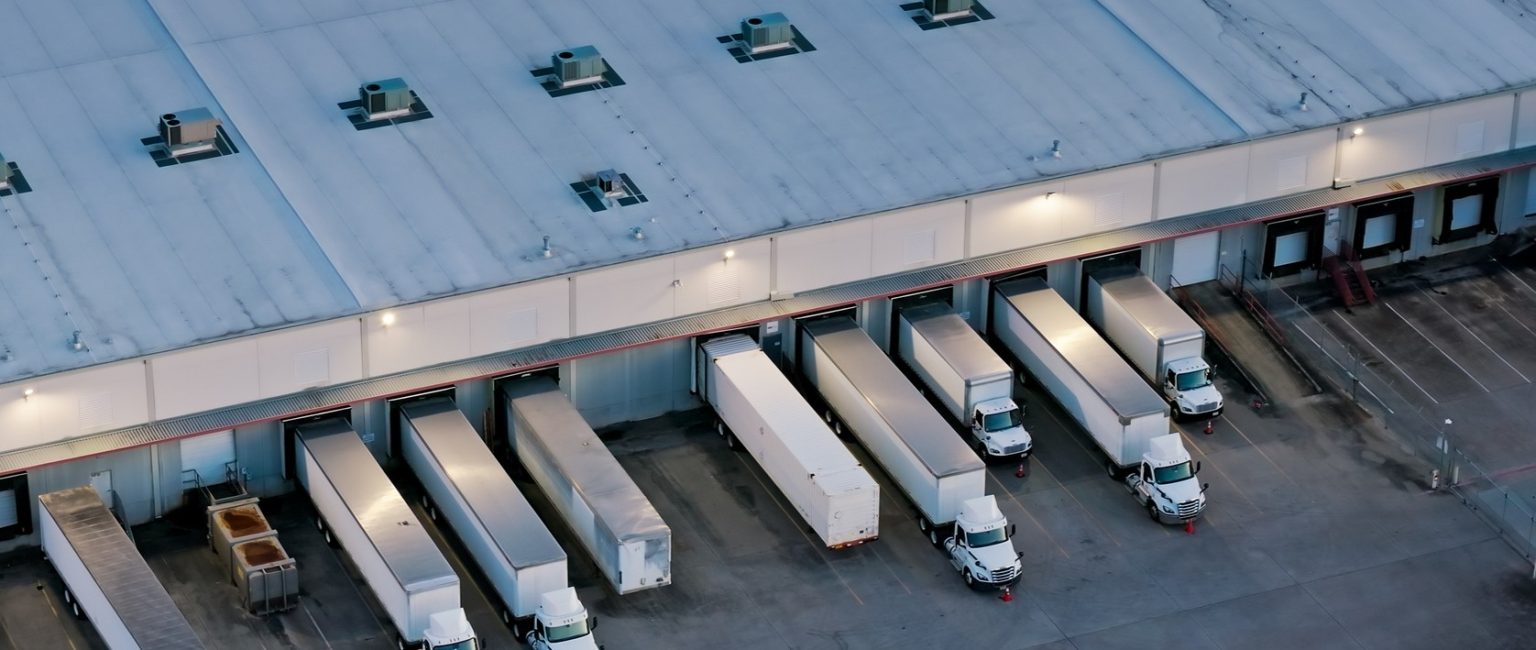
National industrial property vacancy is expected to trend toward 3.5-3.8% by mid-late 2026 – still below long-run equilibrium of about 4%. Picture: Getty
1. New, high-quality warehouses are outperforming older ones
The strongest theme running through forecasts for 2026 is a widening divide between modern, high-spec warehouses and older industrial stock.
Investors and tenants are increasingly focused on efficiency, location and long-term suitability, leaving secondary assets under pressure.
Sass Jalili, CBRE’s head of industrial, logistics and data centre research in Australia, said leasing conditions nationally will reflect a two-speed market in 2026.
“Demand for super prime facilities will continue to outperform, supported by logistics operators seeking greater racking efficiency and reduced occupancy cost per pallet,” she said.
“This will coincide with rising availability in older prime and secondary stock, as vacancy normalises from cyclical lows.”

CBRE’s Sass Jalili. Picture: Supplied
The preference is showing up in vacancy trends, with CBRE data showing super prime availability falling, while vacancy in prime and secondary assets continues to rise, reflecting occupier preference for higher-efficiency buildings.
From an investment perspective, LJ Hooker Group head of research Mathew Tiller said the split between asset types is unlikely to narrow anytime soon.
“I also expect the gap between prime and secondary to stay wide,” he said.
“Investors will keep paying up for modern, efficient, well located logistics stock, while older, secondary assets will need sharper pricing or a clear value add plan to compete.”
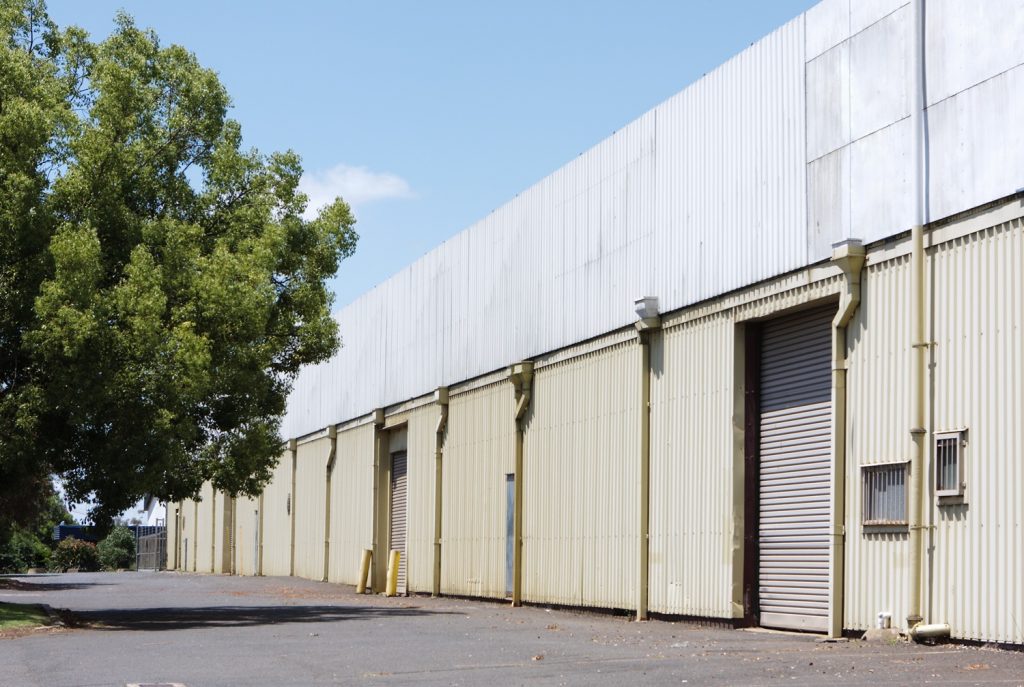
Experts say there is a widening divide between older industrial stock and modern, high-spec warehouses. Picture: Getty
2. Fewer new projects are being built
After a wave of development lifted vacancy in parts of the country, new industrial supply is now slowing.
High construction costs, tougher feasibility and tighter finance are making it harder for projects to get off the ground without strong pre-commitment.
“Supply is the big swing factor for 2026,” Mr Tiller said.
“The feasibility numbers are still tough, construction costs are high and finance is still tight compared to the easy money period a few years ago, so I expect fewer speculative projects to get away.”
CBRE expects the share of speculative stock to fall from about 70% in 2025 to around 40% in 2026, even as total completions lift modestly.

LJ Hooker’s Mathew Tiller. Picture: Supplied
Ms Jalili said supply additions would remain constrained by the slowdown in speculative development and ongoing construction cost pressures.
“Sydney will carry the bulk of national completions; however, we expect a more balanced delivery profile by 2028 as developers respond to tightening finance and the need for pre-commitment,” she said.
“Post-2027 supply will remain below longer-term averages, especially in Sydney and Brisbane where land availability is structurally limited.”
Mr Tiller said the supply wave that lifted vacancy in parts of the country should fade, and conditions should gradually tighten again, but it’s expected to happen unevenly by city and by precinct.
Land-constrained markets such as Sydney and Brisbane are tipped to benefit most as new supply becomes harder to deliver.
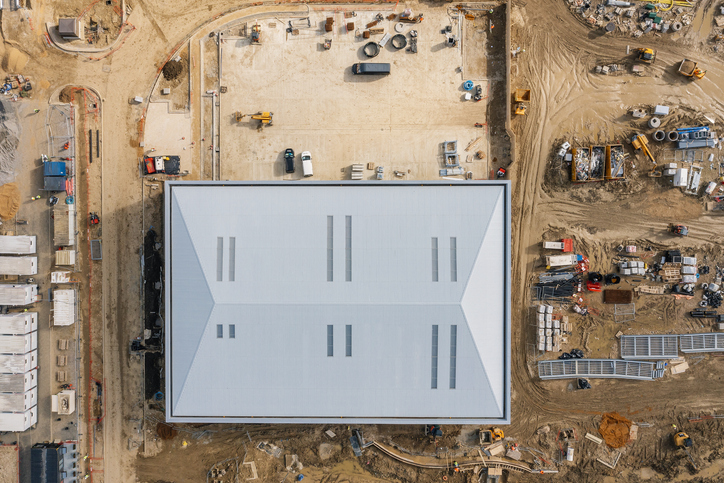
Experts say high construction costs and tougher feasibility are making it harder for projects to get off the ground without strong pre-commitment. Picture: Getty
3. Investors are returning and are more careful
With interest rates stabilising, confidence is strengthening in the industrial property investment market, but buyers are more selective than in previous cycles.
Market players expect transaction volumes to lift through 2026, led by core and offshore investors targeting the strongest assets.
Liquidity and transaction volumes are expected to lift, offshore capital will remain active and lower interest rates should reinforce pricing stability, says Colliers managing director of industrial and logistics Gavin Bishop.
“We anticipate some yield compression, renewed participation from core investors and the early stages of a new development cycle as pre-commitment activity gathers momentum,” he said.
Mr Tiller said there was more certainty with rates on hold, which usually brought more confidence back into decision making, for both private buyers and institutions.

Colliers’ Gavin Bishop. Picture: Supplied
“The market is less about chasing momentum, more about fundamentals again, location, tenant quality, lease term, and how leasable the asset is if the tenant moves on,” he said.
Ms Jalili expects investment activity to gradually strengthen through 2026, as interest-rate stability returns and pricing confidence improves.
“Core capital will remain highly selective, favouring super prime assets,” she said.
“Markets with deeper tenant demand profiles, particularly Sydney, will be the first to see uplift in transactional volumes.”

Market players expect investment activity to strengthen in 2026 as interest-rate stability returns and pricing confidence improves. Picture: Getty
4. Some outer-suburban markets offer cheaper entry points and risk
While established industrial precincts remain tightly held, outer growth corridors that absorbed large volumes of new supply are emerging as areas of both opportunity and risk.
Mr Tiller said tenants had more choice in these locations than they did a few years ago.
“In some outer precincts where a lot of new space has been delivered recently, tenants have more choice and more negotiating power,” Mr Tiller said.
“In those areas you’ll still see landlords working harder to secure deals and incentives will push higher.”
But the softer leasing environment is creating opportunities for investors prepared to take a longer-term view.
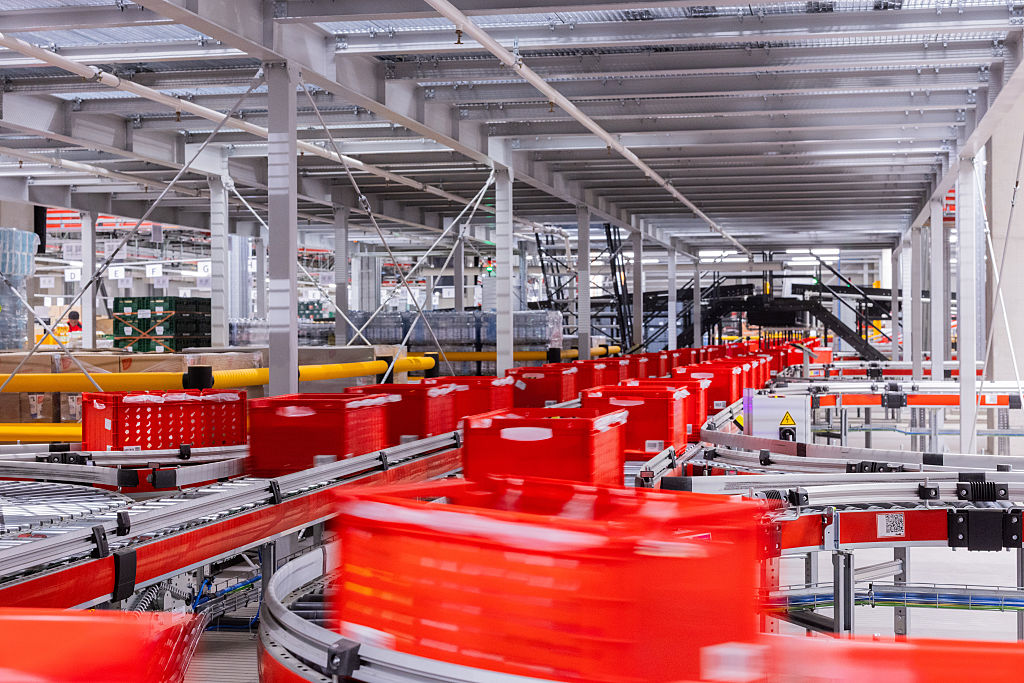
Warehouses have become popular with investors over the past decade due to the rise in online shopping and the need for faster supply chains. Picture: Getty
“There will be selective opportunities in outer growth corridors that have absorbed a lot of new stock,” he said.
“That is where buyers can sometimes get better entry pricing, as long as the asset is the right quality and you’re comfortable riding through a lease up period.”
However, Mr Tiller noted if he was investing in 2026, he would still lean towards established, land constrained industrial markets where vacancy was tighter and new supply was harder to replicate.
“Those locations tend to hold rents and occupancy better through the cycle, and they are usually where incentives ease first when conditions improve,” he said.