Dozens of pharmacies face collapse as Wesfarmers walks away from $400m deal

More than 54 commercial property premises across the country are in limbo after retail giant Wesfarmers reportedly pulled the plug on a last-minute rescue deal for Priceline Pharmacy’s largest franchisee, Infinity Pharmacy Group.
The eleventh-hour decision in December saw stores placed under external administration, with creditors now facing a staggering debt exceeding $400 million.
Wesfarmers, the powerhouse behind retail behemoths such as Kmart and Bunnings, cemented its control over the Priceline Pharmacy chain and its drug wholesaling arm in 2022, following a $774 million acquisition of Australian Pharmaceutical Industries (API).
MORE NEWS
McDonald’s forced into surprise retreat
Sass & Bide closes all stores in major overhaul
‘Costco of travel’: Ansett makes surprise comeback
Sources and documents sighted by The Australian Financial Review reveal that Wesfarmers was on the cusp of injecting equity into Infinity Pharmacy Group.
The proposed plan involved a significant debt reconfiguration and the establishment of a new management company to stabilise the struggling franchisee.
More than 50 stores were placed into receivership in December, with creditors now owed more than $400 million.
However, the Australian conglomerate abruptly called off these plans, subsequently initiating the receivership process for the 54 Infinity-operated stores in December.
Wesfarmers Health chief customer officer Richard Pearson described the move as “unavoidable” at the time.
In an email to Priceline franchise partners on Tuesday, Mr Pearson stated that the decision to appoint receivers and administrators was not taken lightly.
“As many of you know, API worked to support Infinity management for many years to try to put the business on a sustainable financial path,” he said.
“Ultimately, Infinity’s financial collapse was driven by its management’s aggressive acquisition of new pharmacies, funded via expensive, high-interest rate debt.
“This expansion came at the expense of Infinity meeting its financial obligations, including not paying us and various other creditors, to supply products.
“Our support was through provision of stock, and we have not directly invested in Infinity. This support enabled the pharmacies to continue providing essential services to their communities, while a solution to Infinity’s worsening financial situation was explored.
“We were hopeful we could finalise an arrangement that would have provided a more sustainable structure for Infinity but even as Infinity’s financial situation deteriorated, we learned that Infinity’s management were actively seeking to acquire more pharmacies with further debt and still not paying its bills to API, and other suppliers and creditors.”
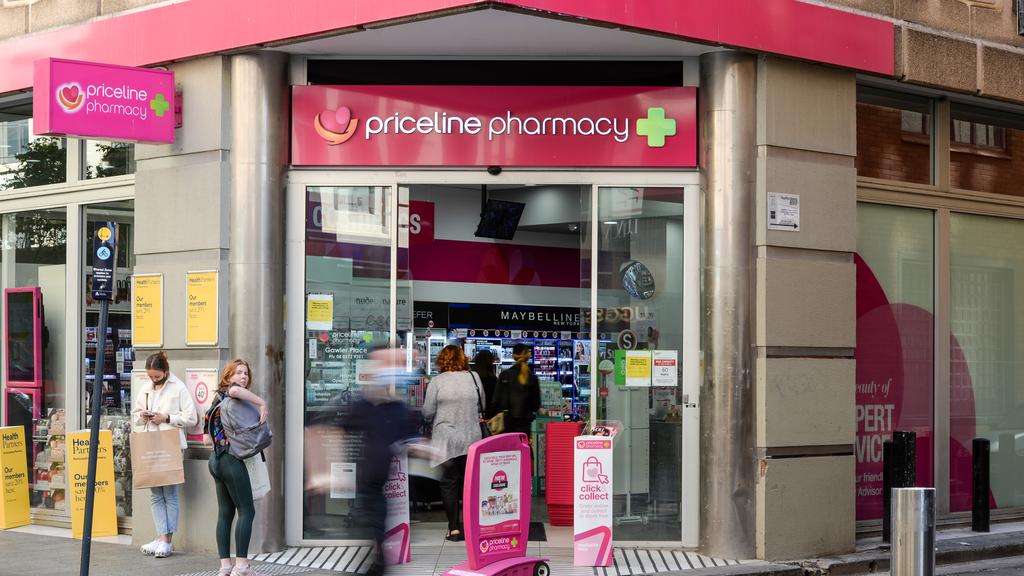
The major banks are among creditors, with Westpac, NAB and Commonwealth Bank reportedly owed about $145 million.
He added that community pharmacies held a trusted position in Australia, which the over-leveraged approach to network growth pursued by Infinity’s management, risked undermining. “Therefore, after extensive engagement with Infinity Management and creditors and detailed financial due diligence, we had no option but to draw a line in the sand.”
The financial fallout is substantial, with secured lenders reportedly owed more than $400 million.
Australian Pharmaceutical Industries alone is owed $110 million, while major banks, including Westpac, NAB, and Commonwealth Bank, are collectively owed approximately $145 million.
A first creditors’ meeting was convened on December 31, last year.
KPMG has been appointed as receivers, working in conjunction with Teneo, who are acting as voluntary administrators.
“The receivers and voluntary administrators have been operating Infinity’s stores for nearly a month, and I am pleased to report the stores are running well with stock on the shelves, team members being paid and importantly, customers receiving a high level of service,” Mr Pearson said.