Where to invest in 2026 as Aussie offices stage a comeback
Australia’s office property market is powering into 2026, with investors set to return in force after years on the sidelines and deal activity likely to pick up across major cities, experts predict.
Property investors will be searching for premium office towers and branching out beyond Sydney’s CBD to chase rental growth and yield in other markets, according to a range of office property experts who spoke to realcommercial.com.au.
With leasing conditions improving and new supply thinning out, analysts say the recovery is spreading from the core of Sydney and Melbourne and into surrounding office precincts, setting the stage for a far broader comeback over the coming years.
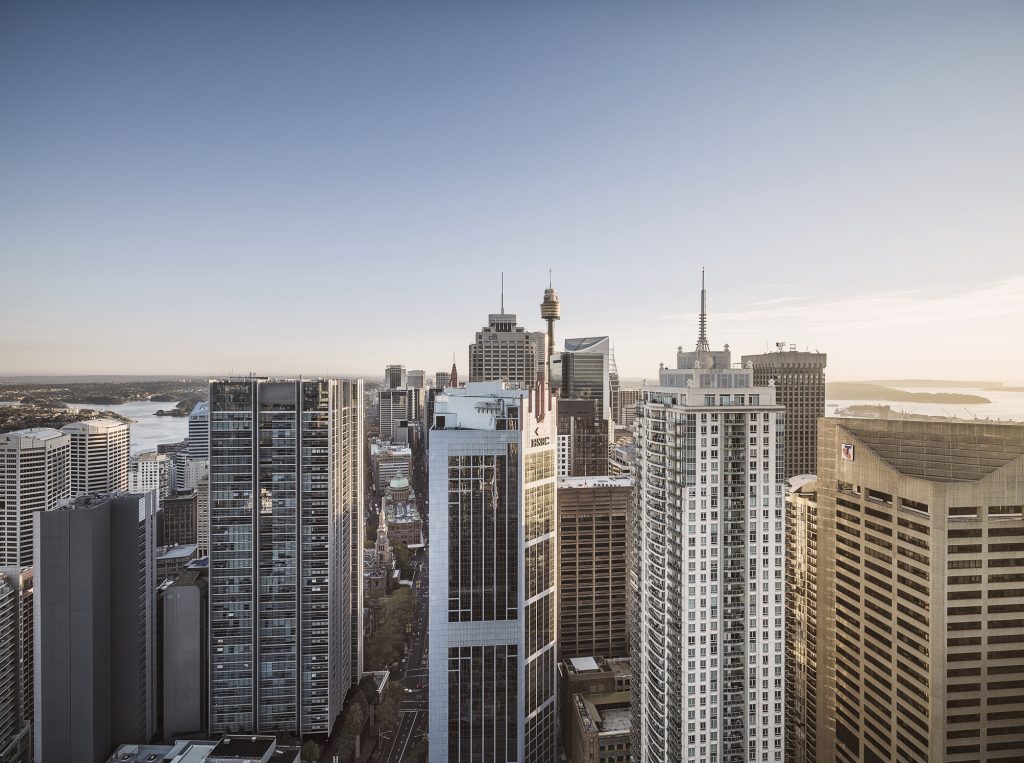
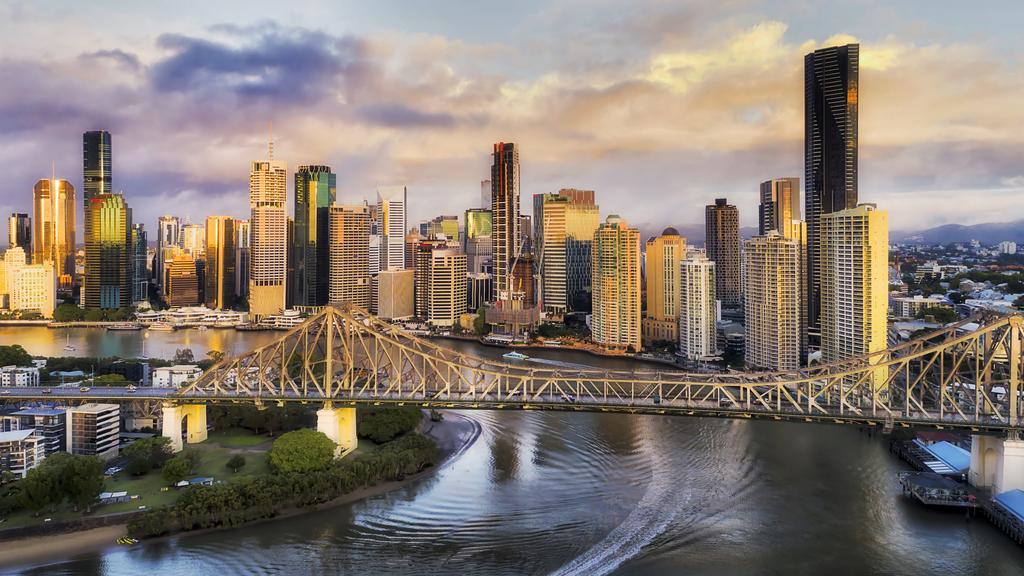
National prime CBD effective rents, which factor in incentives and other costs, rose by 4.8% during the year to the third quarter of 2025. Picture: Getty
CBRE Australia head of office capital markets James Parry said office investment volumes were returning to long-term averages, with buyer demand the highest it’s been in years.
“All our campaigns are being actively bid on by a wide cross-section of the investment market, including domestic and offshore high-net-worth individuals, Asian-based institutional investors and family offices, and domestic institutional property investors,” he said.
National CBD office investment activity reached $2.1 billion in the third quarter of 2025, up 42% compared to the previous quarter, according to CBRE. Although, national deal volume for the first nine months of last year was about 20% below the same period in 2024.

CBRE’s James Parry. Picture: Supplied
Mr Parry anticipates the increased buyer appetite will give sellers, who have been patiently waiting for the right moment, the confidence to initiate their divestment plans in 2026.
“Investors looking to capture future rental growth will focus on Sydney CBD, near CBD markets, together with Brisbane,” he said.
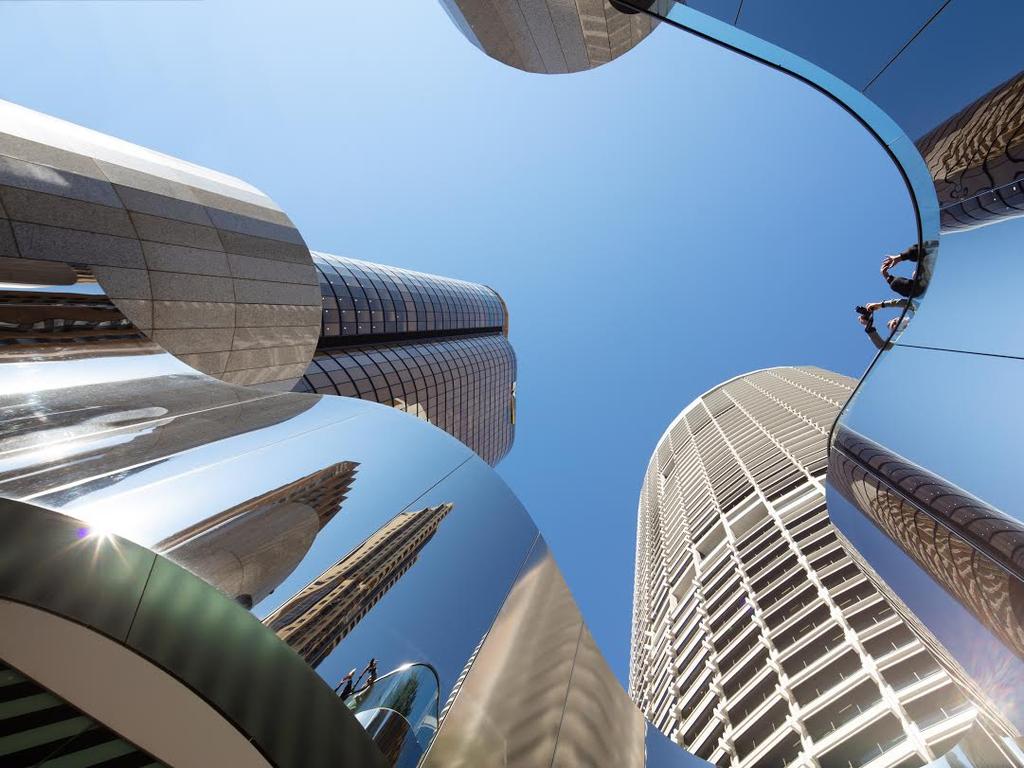
GPT Group bought an $860 million half share in Sydney’s Grosvenor Place office property in October last year, one of the biggest office deals of the year. Picture: Supplied
“Yield investors will be more interested in markets like Canberra, Adelaide, Perth, and suburban Sydney. Meanwhile, counter-cyclical investors will have their eye on the Melbourne market.”
Matthew Meynell, managing director of office capital markets and investment services Colliers Australia, said investors were focusing on markets supported by strong occupier fundamentals and on assets positioned to capture future income growth as conditions continued to strengthen.
“Looking ahead to 2026, demand for high-quality commercial assets is expected to remain a key driver of investment activity,” Mr Meynell said.

Colliers’ Matthew Meynell. Picture: Supplied
“As the office market stabilises, domestic buyers are likely to increase their share of transactions after being net sellers over the past 24-36 months.”
National prime CBD effective rents, which factor in incentives and other costs, rose by 4.8% during the year to the third quarter of 2025, according to CBRE.
In Q3 2025, the national average effective rent ($624/sqm) also surpassed the previous peak set in December 2019, meaning the market had recovered the losses that occurred during the pandemic.
National CBD office investment activity reached $2.1 billion in the third quarter of 2025. Picture: Supplied
Knight Frank chief economist Ben Burston said office market performance was improving across all major CBDs, led by Sydney, Brisbane and Adelaide.
“Sydney has been a bellwether for the health of the wider office market, and to date the recovery has been strongest in the core CBD precinct, linked to the improving performance of the leasing market,” Mr Burston said.
“Melbourne has witnessed a similar trend, with sustained demand and strong rental growth in the eastern core.

Knight Frank’s Ben Burston. Picture: Supplied
“We expect continued growth in Adelaide and Brisbane, while in Sydney and Melbourne, we expect to enter a second phase as growth extends beyond the core precincts previously identified.”
On the leasing front, conditions are expected to tighten in core premium markets. Cameron Williams, managing director of office leasing at Colliers Australia, said with minimal new supply on the horizon, effective rental growth was forecast to accelerate in the second half of the year, while incentives continued their downward trajectory.
“Tenants will remain focused on securing locations that deliver superior amenity and seamless access to public transport, reinforcing the importance of strategic positioning for landlords seeking to attract and retain occupiers in an increasingly competitive environment,” he said.
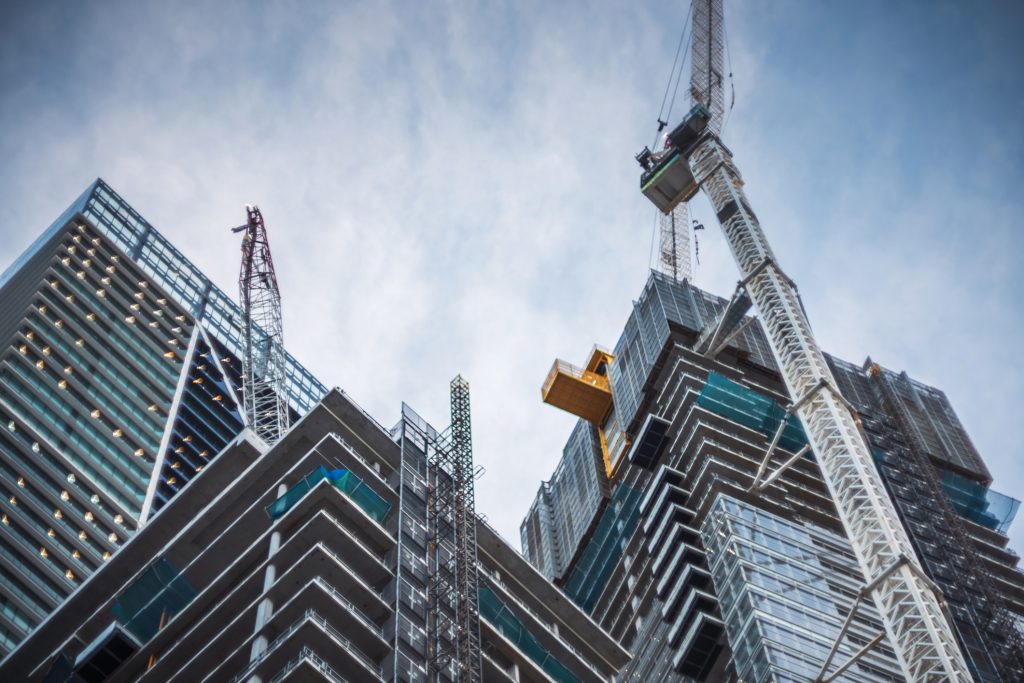
CBRE’s national CBD forecast expects office stock to grow by an average of 0.5% per annum from 2026 to 2030. Picture: Getty
It comes as office supply is set to remain constrained due to limited construction and office stock withdrawals.
Mr Parry said new office supply would likely remain flat due to rising construction costs and economic rents, making most office developments unviable.
“However, we anticipate an uptick in office stock withdrawals in favour of the living sector, driven by the insatiable national demand for living accommodation,” he said.
“This shift will positively impact the office sector, particularly as most of the office withdrawals will be in the lower quality buildings.”